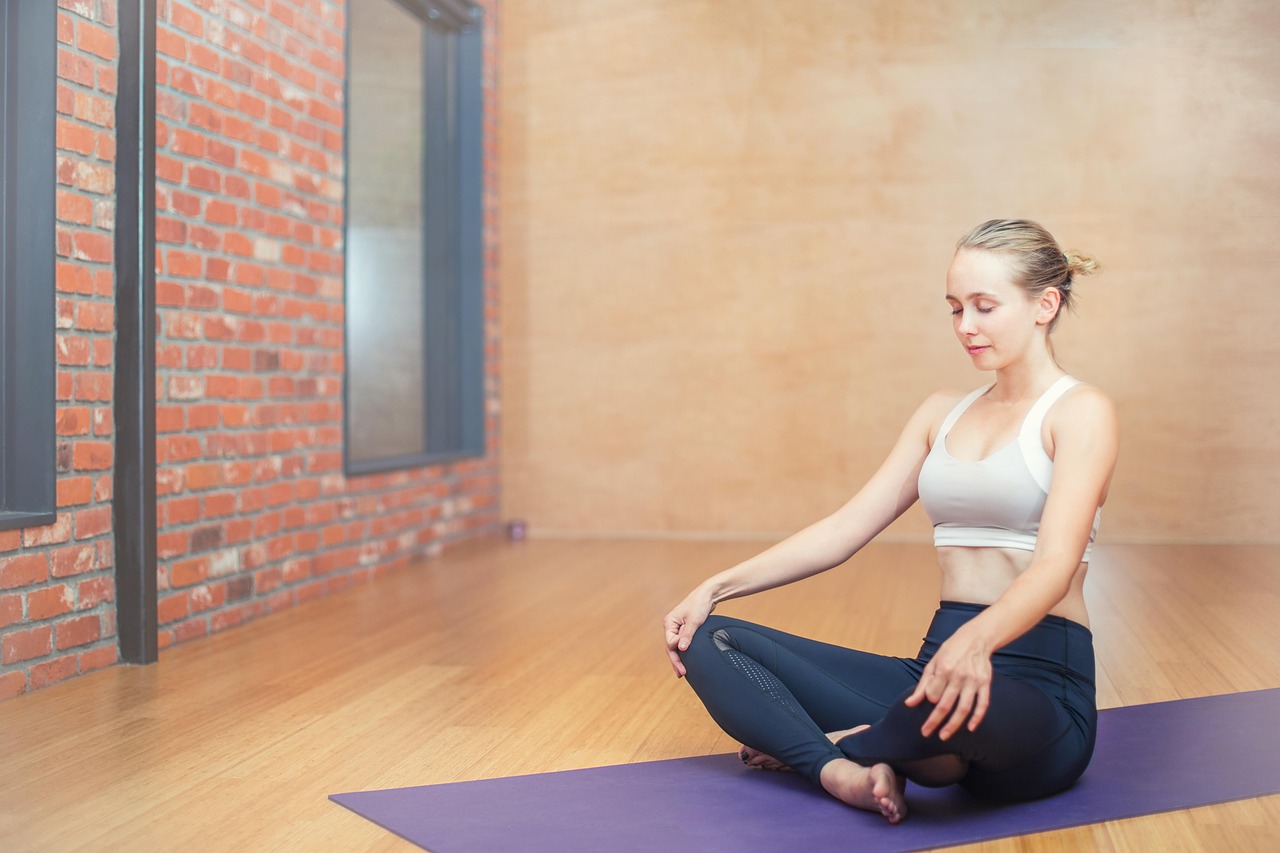

Combining Meditation with Physical Exercise for Optimal Stress Relief
In today’s fast-paced world, managing stress effectively is crucial for maintaining mental and physical health. Exercise science has shown that integrating physical exercise with mindfulness practices like meditation can lead to better stress management outcomes. When you engage in physical activity, your body releases endorphins, which are natural mood lifters. Simultaneously, meditation helps clear your mind, promoting relaxation and focus. This combination creates a powerful synergy that can drastically reduce levels of cortisol, the stress hormone. By participating in activities such as yoga or tai chi, individuals can harness the benefits of both practices, thereby improving overall well-being. Research indicates that those who regularly practice this dual approach experience not only reduced stress but also enhanced athletic performance. Learning to breathe properly during exercise and meditation periods is also integral to maximizing these benefits. A structured routine incorporating both aspects can transform how one deals with stress. These practices encourage self-awareness, better emotional regulation, and a more resilient mindset. In summary, combining meditation with physical exercise is a potent strategy for achieving optimal stress relief and enhancing overall health.
How Meditation Enhances Physical Exercise
Meditation influences physical exercise by promoting mental clarity and focus. An essential aspect of effective workouts is the mind-body connection, where concentrated awareness enhances performance levels. Mindfulness meditation specifically trains individuals to be present in the moment; this practice leads to improved coordination and better outcomes. When physical exercise is paired with meditation, it encourages participants to listen to their bodies’ needs, thus optimizing workouts. Moreover, this synergy can result in heightened awareness of physical limitations, minimizing the risk of injury during exercise. Engaging in mindfulness allows individuals to observe their thoughts and emotions without judgment, fostering a more intuitive approach to fitness. This can lead to enhanced motivation and reduced exercise fatigue, making workouts more enjoyable. By blending imaginative visualization during meditation with physical exercise, individuals can set clear goals, envision their success, and elevate their achievements. The combination of these practices not only helps in stress management but also aids in transforming exercise routines into fulfilling experiences. Ultimately, utilizing meditation to enhance focus and performance during physical exercise is a valuable strategy for anyone looking to lead a healthier, flourishing lifestyle.
Incorporating both meditation and exercise into a daily routine offers various physical and psychological benefits. Regular physical activity is essential for maintaining a healthy body weight, improving cardiovascular health, and enhancing muscular strength. On the other hand, meditation improves mental clarity and emotional regulation, contributing to a significant decrease in anxiety and stress. Together, they create a holistic approach to well-being that addresses both mind and body. People often experience challenges in starting their fitness journey, such as lack of motivation or confidence. Practicing meditation can help overcome these obstacles by instilling a sense of calm and focus. Regular meditation enhances self-discipline, making it easier to adhere to an exercise schedule. Additionally, the calming effects of meditation can help buffer against the sometimes intimidating atmosphere of gyms or fitness classes. Many individuals find that merging these two practices leads to a routine that promotes sustainability in their lifestyle choices. Embracing this dual approach can help cultivate a profound respect for one’s body and abilities. As individuals continue integrating meditation with exercise, they will likely discover new dimensions of personal growth and resilience.
Creating a Balanced Routine
To maximize benefits from both meditation and physical exercise, it’s essential to develop a balanced routine tailored to personal needs. Begin by allocating specific times during the week for exercise, ensuring consistency. Aim for a combination of cardiovascular, strength training, and flexibility exercises, reflecting varied aspects of physical fitness. Following workouts, schedule meditation sessions to promote recovery and rejuvenation. Practicing meditation after exercising allows your body to release tension accumulated during physical exertion. Start with short, focused periods of meditation, gradually increasing duration as comfort levels grow. Consider incorporating guided meditation apps or classes which may provide structure for beginners. Creating a space—both physical and mental—for these activities ensures an environment conducive to concentration. Additionally, combining elements of nature, like practicing outdoors or near windows, can enhance relaxation benefits. Regular reflection on personal progress and experiences during both meditation and exercise can play a vital role in attracting greater motivation. Continuously adapting this routine to align with evolving goals helps maintain engagement and interest. By committing to a structured regimen, individuals can reap enduring benefits of this integrated approach to health and well-being.
Numerous studies have endorsed the significance of integrating meditation with physical exercise for optimal health. For example, systematic reviews highlight substantial reductions in cortisol levels among practitioners of this combined approach. The physiological effects extend to improved sleep quality and enhanced immune function, making these practices particularly beneficial during stressful periods. Furthermore, participants often report heightened emotional resilience, which plays a vital role in coping with everyday challenges. The evidence emphasizes that this holistic understanding of wellness encompasses both mental and physical domains. Regular incorporation of meditation fosters emotional intelligence, improving relationships and social interactions alongside physical fitness. This demonstrates the interconnectedness between mind and body in achieving overall health. Programs promoting physical exercise also benefit from incorporating mindfulness strategies; individuals who practice this often exhibit increased enjoyment and adherence to fitness regimens. As society increasingly acknowledges the importance of mental health, this integration is vital for improving quality of life. Engaging with exercise science, professionals can enhance therapeutic interventions that focus on both physical activity and mental clarity. Ultimately, fostering a labor of love through meditation and exercise is essential for a fulfilling, balanced lifestyle.
Final Thoughts on Integrating Practices
As we continue to navigate the complexities of modern life, combining meditation and physical exercise emerges as a potent strategy for stress management. The fusion of these practices not only enhances physical health but also provides significant emotional benefits. Adapting to this dual approach requires patience and experimentation, as individuals discover what works best for their unique circumstances. Embracing change can lead to increased self-awareness and improved overall wellness. A community that supports and practices alongside can also amplify motivation, fostering camaraderie among like-minded individuals. Explore local classes or online resources that can facilitate participation in both meditation and exercise. Engaging in workshops, retreats, or online programs can offer valuable insights and strategies to integrate these practices effectively. Don’t hesitate to modify routines to accommodate personal preferences and schedules, ensuring they remain enjoyable and sustainable over time. The journey toward wellness is a personal one, built on the foundation of self-discovery and consistent practice. Ultimately, the benefits are transformative, paving the way for a healthier, more balanced life, where stress becomes manageable and satisfaction more attainable.
The synergistic relationship between meditation and physical exercise is an emerging topic within exercise science. As research continues to explore these connections, it is essential for individuals to remain informed about the practices that benefit them. Stay curious and open-minded, for the journey through self-improvement and growth can be profoundly rewarding. As you delve deeper into this comprehensive approach to wellness, continue experimenting with various forms of exercise and meditation techniques that resonate with you. Establishing a regular practice over time can reveal remarkable benefits, fostering enduring health and resilience. Remember that progress may be gradual, yet persistence yields rewarding outcomes. Explore resources such as books, podcasts, and community events that emphasize both practices. By sharing your experiences with others, you can inspire and encourage those around you to embark on similar journeys. In the end, embracing the combination of meditation and physical exercise will cultivate a more harmonious relationship with oneself and the world. The road to optimal wellness is paved with opportunities for personal growth, self-discovery, and transformative experiences that lead to greater happiness and fulfillment.
Incorporating both meditation and exercise into a daily routine offers various physical and psychological benefits. Regular physical activity is essential for maintaining a healthy body weight, improving cardiovascular health, and enhancing muscular strength. On the other hand, meditation improves mental clarity and emotional regulation, contributing to a significant decrease in anxiety and stress. Together, they create a holistic approach to well-being that addresses both mind and body. People often experience challenges in starting their fitness journey, such as lack of motivation or confidence. Practicing meditation can help overcome these obstacles by instilling a sense of calm and focus. Regular meditation enhances self-discipline, making it easier to adhere to an exercise schedule. Additionally, the calming effects of meditation can help buffer against the sometimes intimidating atmosphere of gyms or fitness classes. Many individuals find that merging these two practices leads to a routine that promotes sustainability in their lifestyle choices. Embracing this dual approach can help cultivate a profound respect for one’s body and abilities. As individuals continue integrating meditation with exercise, they will likely discover new dimensions of personal growth and resilience.