
Understanding Muscle Building Plateaus
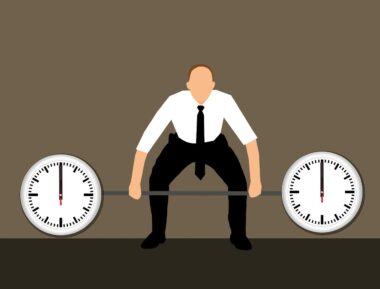
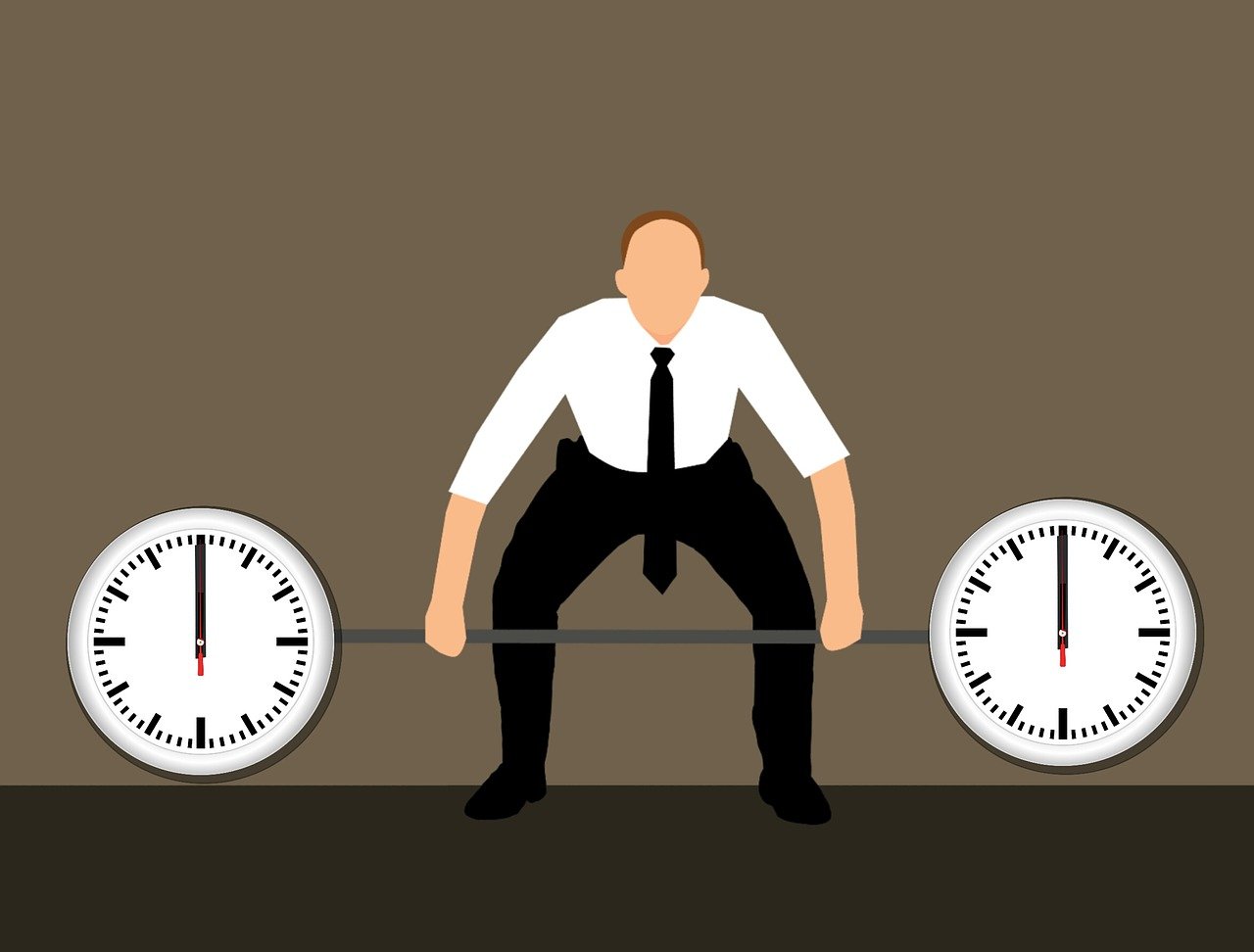
Reaching a muscle building plateau can be frustrating, especially when you feel like you’ve been putting in the effort without seeing substantial results. It’s common for lifters to experience periods of stagnation, where progress in strength and muscle gains appears to stop. Recognizing when you have hit a plateau is the first step. Look out for signs like not increasing your weights, lack of motivation, or decreased performance during workouts. During this time, effective time management becomes ever vital. This requires evaluating how you are spending your time during training sessions and recovery periods. Consider scheduling your workouts at the same time each day to develop a routine, which can help in maintaining consistent energy levels. Focus on prioritizing your sessions by setting specific goals for each workout. Implementing strategies to track your progress can aid in overcoming such stagnation. By carefully planning your time and remaining dedicated to your workout regimen, you can navigate through plateaus effectively, ensuring steady growth in your muscle-building journey.
The Importance of Workouts Scheduling
Creating a structured workout schedule is crucial during muscle building plateaus. The best approach is to ensure your training regimen is organized, allowing for targeted exercises focused on different muscle groups. This variety not only aids in avoiding monotony but also helps stimulate muscle fibers differently. For effective scheduling, consider the following tips: firstly, allocate specific days for major lifts, ensuring they are prioritized when your energy is highest. Secondly, include accessory work that targets smaller muscles to complement your larger lifts, ensuring that every muscle group receives attention. Thirdly, incorporate active recovery days to rejuvenate your body and mind. This means engaging in lighter activities such as walking or stretching. Lastly, do not overlook the balanced integration of nutrition and hydration planning into your timetable. Eating well and staying hydrated greatly enhances workout effectiveness. Scheduling workouts doesn’t just involve physical lifts; it also requires time for mental preparation. Make sure you include time to mentally gear up for each session, ensuring a focused mentality that can lead to breaking through plateaus.
Optimizing Workouts for Efficiency
Optimization of your workouts is essential in breaking muscle building plateaus. Utilizing your time effectively entails being strategic about exercise selection and execution. First, aim for compound exercises that work multiple muscle groups concurrently, such as squats, deadlifts, and bench presses. These exercises yield maximum benefits in less time compared to isolation exercises. Secondly, focus on proper form and technique, which can enhance performance and prevent injury. Additionally, consider reducing rest times between sets to enhance workout intensity and maximize muscle fatigue. This approach might increase your overall workload within the available time. Another important aspect is the use of supersets or compound sets to further condense workout time while boosting your metabolic rate. This strategy is particularly useful during plateaus, as it can induce muscle confusion and stimulate growth. Lastly, ensure that cool-downs or stretch sessions are structured as well; it’s not just about lifting. This recovery phase is essential for muscle growth, enhancing flexibility, and minimizing injury risks, ultimately contributing to a more successful workout program.
Another key element of effective time management is consistency. Establishing a consistent workout schedule aids in building muscle effectively. Consistency fosters a habit, which is crucial while navigating through plateaus. Strive to work out the same days each week, and maintain similar time frames to help cultivate a routine. This discipline not only enhances your physical results but also improves your mental resilience. Gradually, this discipline will mean few skipped workouts, leading to pronounced results. Also, don’t underestimate the power of a workout log! Keeping a detailed record of your exercise routines, weights, sets, and repetitions allows you to analyze your progress over time. This information is vital while assessing what strategies work best and what may need modification. Lastly, setting realistic expectations is paramount in managing time efficiently during muscle building plateaus. Understand that gains may take longer during these periods; adjust your goals accordingly, and celebrate small victories. Recognizing incremental improvements is critical for maintaining motivation, keeping you armed and ready to continue your journey, pushing beyond plateaus successfully.
Mental preparation plays an equally important role in your workout routine. It’s one aspect of time management that often goes overlooked. A strong mental approach can make a significant difference in your ability to push through plateaus. Take time each week to mentally prepare for your workouts, which may involve visualization techniques. Picture yourself executing the lifts successfully, envisioning the muscle gains. This can lead to improved focus and motivation, contributing positively to your overall performance. Additionally, stay informed on your training—reading about muscle physiology and recovery strategies can offer insights and influence your mindset. Engage in fitness communities or forums online where you can exchange experiences and coping strategies with like-minded individuals. Socializing with peers who understand the struggles of plateaus promotes a positive mindset and accountability. Importantly, establish a reward system for yourself. Celebrate each milestone, no matter how small; perhaps treat yourself to a new workout outfit or supplement! These rewards can motivate you to stick to your plan. Constructing a robust mental foundation will give you the mental strength to rise above the challenges associated with muscle building plateaus?
Lastly, don’t forget the critical balance between training and recovery. Effective recovery strategies should be an integral part of your time management approach. During plateaus, it becomes increasingly necessary to allow muscle tissues adequate time to recover and adapt. If the body feels fatigued, performance may decline, making it harder to push through those barriers. This could mean incorporating scheduled rest days or active recovery sessions where lighter workouts take the stage. Pay close attention to your sleep patterns, as adequate sleep is crucial for muscle recovery and overall performance. Aim for 7-9 hours of quality sleep each night for the best results. Furthermore, nourishment is a critical component of recovery; prioritize protein and appropriate carbohydrates to fuel your muscle recovery. Likewise, hydration should not be neglected. Water plays a vital role in recovery, ensuring effective metabolic processes and overall bodily functions. Lastly, consider methods like massages or foam rolling to aid muscle recovery proactively. The balance between effort and recovery is the key to conquering plateaus effectively, facilitating overall muscle-building success.
In conclusion, effective time management during muscle building plateaus is crucial to success. By focusing on structured workout routines, optimizing your training sessions, and incorporating mental preparation, you’ll be better equipped to handle any obstacles that arise. Documenting your progress and establishing consistent schedules for workouts and recovery will further solidify your journey. Remember, overcoming plateaus requires resilience; implementing diverse training strategies will help in breaking stagnation. Balancing high-intensity training with adequate rest and nourishment promotes muscle recovery and growth, which is equally essential for achieving lasting results. Engage with fitness communities for further support and motivation. Sharing experiences with peers in similar situations can provide fresh insights and encouragement. Above all, be patient with yourself, as muscle growth takes time and determination. Celebrate progress as you push forward, armed with effective time management techniques. Staying committed to your fitness journey will not only yield the results you seek but also foster a greater appreciation for the process, leading to long-term health benefits.