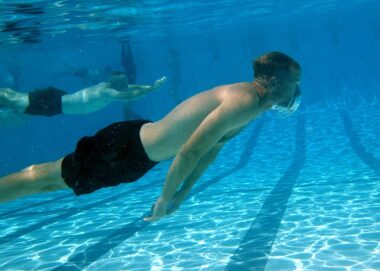

Using Breathing Exercises to Improve Coordination in Complex Movements
Breathing plays a pivotal role in functional fitness, especially when performing complex movements. Incorporating specific breathing techniques can enhance coordination by facilitating optimal oxygen intake, thus improving muscle performance and endurance. These exercises help establish a rhythmic connection between breath and movement, allowing for better synchronization during workouts. When engaging in functional movements, maintaining proper breath patterns serves to stabilize the core, which is crucial for balance and control. For instance, inhalation can be timed with preparation for a lift, while exhalation coincides with the exertion phase. Coaches and athletes alike can reap benefits from understanding how to utilize breath effectively. A few techniques that can be beneficial include diaphragmatic breathing, box breathing, and pursed-lip breathing. Each of these methods not only aids in relaxation but also primes the body for physical exertion, reducing the risk of injury. By applying these skills consistently in training, athletes may discover improved coordination, particularly when performing activities that require dynamic movements. Over time, this methodology can transform a workout routine into a more cohesive and efficient training session, ultimately leading to enhanced athletic performance.
The Importance of Breathing Techniques
Implementing proper breathing techniques is essential for optimizing movement efficiency. Breathing techniques help create a stable foundation for movements, thus allowing for enhanced athletic performance. When you breathe properly during exercise, the body is better equipped to manage physical stress. For instance, learning how to breathe through the diaphragm ensures a steady supply of oxygen to the muscles. It subsequently improves stamina and aids in faster recovery post-exercise. Poor breathing lessens endurance and could lead to poor execution of complex movements. Incorporating specific drills that emphasize timing and breath control is crucial for training athletes. Focused breathing can also aid in reducing anxiety levels, especially during high-pressure activities. Athletes who learn to regulate their breath can develop better awareness of body movements, improving coordination. In addition, activating the diaphragm helps maintain intra-abdominal pressure, which is vital for spinal stability. Incorporating various breathing techniques into your warm-up routines can greatly enhance the quality of your main workouts. As a result, both coaches and athletes should prioritize the inclusion of these techniques into their training programs for optimum results.
Complex movements such as the Olympic lift or gymnastics routine require not just strength, but also highly coordinated timing. Mastering these movements starts with mastering the basics of breathing. When an athlete combines breath with movement, it helps them achieve a synchronization that leads to increased efficiency. For example, during a snatch lift, inhaling prior to engaging the lift creates tension in the core, while exhaling at the top of the lift can stabilize the shoulders and arms. Over time, athletes may notice a significant improvement in their ability to perform more intricate movements smoothly. Regular practice of breathing exercises will as well lead to the development of a habit that permeates into other areas of training. Including dedicated breathing sessions within a training regimen can enhance focus and promote a state of flow. Coaches can structure these sessions by pairing breath exercises with movement drills to reinforce coordination. Not only does this approach foster physical benefits, but it also has positive psychological impacts. Therefore, commitment to consistent training ingrained with breathwork can result in decreased anxiety and elevated performance.
Breathing Techniques for Specific Movements
Different complex movements necessitate varied breathing techniques for optimal performance. In exercises emphasizing explosion, like jumps or cleans, a short, sharp inhalation can prepare the body for action. For example, prior to a box jump, inhaling through the nose allows for a quick buildup of intra-abdominal pressure essential for a safe landing. Conversely, more controlled movements such as squats may benefit from a slower, more deliberate breath pattern. Here, it’s most effective to inhale during the eccentric phase and exhale during the concentric phase. Integrating breath control during challenging workouts results in more effective muscle engagement, thereby allowing athletes to push harder and achieve more. When participating in endurance sports, where coordination with breathing is vital, practicing rhythmic breathing can enhance overall performance. Athletes engaging in long-distance runs or cycling can benefit from using a two or three-count inhalation and exhalation pattern, creating a comfortable rhythm. Ultimately, understanding the distinct needs of different movements enables an athlete to tailor their breathing strategy accordingly, improving coordination and reducing the risk of fatigue and missteps.
Investing time in learning various breathing techniques offers long-term benefits for anyone involved in functional fitness. With consistent practice, breath control not only aids in improving physical coordination but also fosters a deeper mind-body connection. This connection enhances proprioception, which is the awareness of one’s body position and movement in space. Improved proprioception leads to better balance during various complex activities. Additionally, breathing exercises can help alleviate muscle tension and promote relaxation after intense sessions. Athletes should be encouraged to allocate time during workouts for practicing these breathing techniques, as consistency is key for lasting results. Regularly practicing breathwork can also cultivate a focused mindset, essential during high-intensity situations. Engaging in a cool-down procedure that incorporates breathing not only aids fitness recovery but also prepares the athlete mentally for the following session.Employing breathing methods helps form wellness routines that emphasize a holistic approach to fitness. Including restorative practices such as yoga or meditation can further enhance breath control and overall performance. In summation, a commitment to integrating breathing techniques into training regimens leads to a more balanced, effective, and enjoyable fitness experience.
Incorporating Breathing Practices into Training
Integrating breathing practices into regular training schedules is simple yet effective. Coaches should emphasize the importance of breath awareness during sessions, gradually introducing complex movements. Initiating each workout with specific breathing drills primes the body for exertion and enhances focus. For instance, warming up with diaphragmatic breathing or even box breathing can set an athlete’s mindset for a productive session. Regular emphasis on breathing can lead to significant improvements in coordination and control. Additionally, incorporating breathing exercises into rest periods provides athletes with time to recuperate and regain focus. This not only contributes to mental clarity but also promotes a more relaxed state conducive to performance. As the athlete becomes more adept at managing their breath, they will likely notice an easier transition into their movements. This mindfulness practice can dramatically affect overall workout quality. Coaches might also encourage athletes to keep a journal to track their breathing patterns and perceived impacts on performance. Ultimately, by viewing breathing as an integral part of training, athletes can access greater output, reduced fatigue, and an enhanced relationship with their body.
In conclusion, the utilization of breathing exercises serves multiple purposes in enhancing coordination during complex movements. These practices not only stabilize the body but also refine focus, leading to improved performance. Consequently, athletes who prioritize structured breathing techniques during their training can achieve both physical and mental benefits. The emphasis on breath can progressively foster better mechanics in athletic movements, allowing for increased efficiency and safety. With a strong correlation between breath control and performance capacity, both novice and seasoned athletes should take the initiative to incorporate it into their routines. Building resilience through breathing exercises ultimately paves the way for athletic advancements. Therefore, engaging in functional fitness programs that prioritize breath training provides a robust framework for holistic development. Encouraging collaboration among coaches, trainers, and athletes will cultivate an environment where these practices are consistently integrated. Over time, this synergy can lead to lifelong benefits, not just within training sessions but in everyday life. As research continues to highlight the importance of breath in functional performance, the commitment to these techniques stands crucial for any serious athlete striving for improvement.