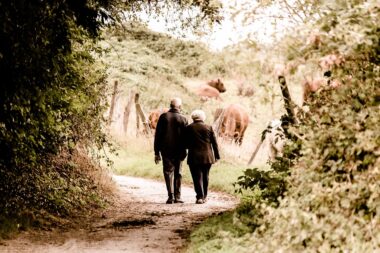

How Regular Walking Helps Control Blood Pressure
Walking is a simple yet effective way to improve overall health, including blood pressure management. Regular walking has numerous cardiovascular benefits, contributing positively to heart health. By engaging in consistent walking routines, individuals can enhance circulation and reduce the risk of hypertension. Hypertension affects millions globally, making effective management critical for preventing severe health issues. Walking can also help reduce body weight, which is essential for lowering blood pressure. Maintaining a healthy weight supports heart function and improves your body’s ability to manage stress. Furthermore, walking promotes healthier lifestyle choices, including better dietary habits and reduced alcohol consumption. When blood pressure is lowered, the risk of stroke and heart disease decreases significantly. Walking can also improve mood and mental health by releasing endorphins. By participating in walking groups or clubs, individuals can gain social support, further enhancing their commitment to a regular exercise routine. In addition, walking outdoors connects individuals with nature, which can have calming effects. All these factors come together to create a holistic approach to maintaining a healthy blood pressure level.
Another key benefit of walking is its accessibility. Almost anyone can walk, regardless of age or fitness level. This low-impact exercise requires no special equipment or facilities, making it an easy option for everyone. Whether in a neighborhood, park, or trail, opportunities to walk are nearly everywhere. Walking can also be easily incorporated into daily routines, making it more sustainable over time. For instance, people can take the stairs instead of elevators, park further away, or simply dedicate 30 minutes each day to walk. Regular walking can be adjusted for intensity, offering a tailored experience for individuals. Engaging in brisk walking can increase heart rates further, resulting in even greater cardiovascular benefits. Furthermore, gradual increases in walking distance contribute to physical endurance and stamina. As individuals adapt, they may find themselves ready for more challenging activities, including hiking or jogging. This gradual progression can lead to a lifelong commitment to an active lifestyle. Research consistently finds that people who walk regularly not only experience better physical fitness but also improved mental acuity, enhancing cognitive functions.
The Impact on Blood Pressure Levels
Studies consistently link physical activity, particularly walking, to lower blood pressure levels. Engaging in 30 minutes of moderate walking most days can significantly reduce systolic and diastolic blood pressure readings. The American Heart Association recommends various forms of physical activity for heart health. As blood circulation improves during walking sessions, blood vessels become more flexible, which helps decrease blood pressure. Importantly, even short bursts of walking can yield positive effects. Breaking workouts into smaller segments throughout the day can still contribute to health benefits. For those managing existing hypertension, combining walking with medical treatments can enhance efficacy. Walking also encourages regular monitoring of blood pressure levels, promoting awareness of cardiovascular health. As individuals observe their progress, it can inspire more commitment and motivation to maintain a healthy lifestyle. Taking the first steps can be challenging, but consistency is vital to obtaining long-lasting results. Walking offers numerous benefits, acting like a natural medicine for many chronic conditions, thus improving life quality and longevity. Moreover, consistent walking routines create an overall happier and healthier environment.
Additionally, walking fosters better cardiovascular health by improving heart function over time. Enhanced heart efficiency results in better management of blood pressure and circulation. Regular physical activity strengthens the heart muscles, allowing them to pump blood with less effort, directly benefiting blood pressure levels. Importantly, aerobic exercises, including brisk walking, are known to raise HDL (good cholesterol) levels. This process helps eliminate LDL (bad cholesterol), reducing plaque buildup in arteries and increasing blood flow. Moreover, engaging in walking promotes greater lung capacity, further aiding oxygen delivery throughout the body. Improved oxygenation leads to better overall cellular function, enhancing energy levels and physical performance. Walking also plays a pivotal role in managing stress and anxiety. During walks, mental clarity often improves, giving individuals a chance to reflect or meditate. Such mental benefits can significantly impact blood pressure, as stress is a known factor of hypertension. Therefore, incorporating walking into daily life can create a calming and restorative practice. Along with maintaining physical health, boosting mental well-being is equally important for sustaining overall health. Thus, forming a routine will yield more than just physical benefits.
Group Walking Benefits
Participating in group walking further enhances the health benefits one receives from this activity. Motivation thrives in social settings, significantly increasing commitment to regular walking. Group walking creates accountability, pushing individuals toward their health goals. Furthermore, these social interactions stimulate emotional well-being, reducing feelings of isolation and loneliness. As friendships develop within walking groups, participants engage more willingly, leading to longer walking sessions and improved fitness outcomes. Additionally, group walking can introduce new walking routes, expanding exposure to varied terrains. Participants can also share valuable insights, tips, and techniques to improve their walking experience. Through social health benefits, group walking stands out as an effective approach to stress management and holistic wellness. Meetings such as these can provide a sense of community belonging, reinforcing motivation to prioritize physical activity. Walking groups also create an opportunity to celebrate one another’s milestones and achievements, individually or collectively. Achieving fitness goals alongside friends can create shared joy, enhancing the experience of exercise and leading to increased satisfaction. Ultimately, walking in a group cultivates an inclusive and rewarding environment.
Furthermore, establishing a walking routine may lead to additional positive lifestyle changes. Once individuals notice improvements in their health, appetite and energy levels may increase, prompting healthier choices overall. Many people who start walking regularly often find themselves exploring more nutritious eating habits. Increased awareness about health can also encourage better hydration practices. Staying well-hydrated significantly contributes to blood pressure regulation and overall health. This cascade effect highlights walking’s emphasis on creating a healthier daily routine. Moreover, walking also serves as an entry point for individuals interested in more rigorous physical activity. Those who incorporate walking into their lives often progress toward running, cycling, or other forms of exercise. With a stable foundation in walking, many find themselves capable of tackling more challenging pursuits. Additionally, older adults may feel empowered as they witness their physical capabilities improve. Such transformations are essential in combating age-related diseases like hypertension. Learning to prioritize movement can consequently elevate overall quality of life. By prioritizing walking within daily schedules, individuals positively influence their health long-term.
Conclusion: Walking for Lifelong Health
In conclusion, walking serves as a fundamental aspect of managing blood pressure and enhancing overall health. The evidence supporting walking’s benefits is substantial, as it connects physical activity with improved heart health. By incorporating regular walking into daily routines, individuals can achieve better weight management and reduce hypertension risk significantly. Over time, they experience numerous benefits, including improved mental clarity, social interaction, and overall happiness. Emphasizing consistency and commitment is critical in reaping the rewards of walking. Whether it involves solo journeys or vibrant group walks, the choice is ultimately personal. Prioritizing mobility promotes better health outcomes, while the ripple effects of walking cheerfully improve overall happiness. With the potential to reshape lives positively, making time for walking should become a habitual part of everyday existence. As society becomes increasingly sedentary, it is crucial to embrace walking as a simple form of exercise. Encouraging more people to walk fosters healthier communities, combats aging-related diseases, and enhances the quality of life. Therefore, let walking become not only a means of exercise, but a pathway toward reaching broader wellness goals.