
Strength Training in Group Classes: A Guide for Seniors
Group fitness classes offer seniors the opportunity to engage in strength training within a supportive environment. These classes typically foster a sense of community, which can enhance motivation and commitment to fitness. Seniors may feel more encouraged to participate and try new exercises in a group setting. Engaging in strength training is especially beneficial for aging adults, as it helps preserve muscle mass and improve bone density. Over time, these benefits can lead to better balance, stability, and overall functional mobility. Participants learn safe lifting techniques from certified instructors who help tailor workouts to individual fitness levels. This approach minimizes the risk of injury while maximizing the effectiveness of the exercises. Classes not only emphasize strength but also incorporate flexibility and cardiovascular work, creating a well-rounded fitness routine. Additionally, many facilities offer equipment specifically designed for the older population. This can include lighter weights and machines that accommodate those with limited mobility. Ultimately, group fitness classes provide an excellent avenue for seniors to enhance their physical health and socialize with peers, making sessions enjoyable and productive.
The Benefits of Strength Training
Strength training offers multiple benefits tailored for seniors. For instance, it decreases symptoms of chronic illnesses, aids in weight management, and promotes longevity. Increased muscle mass enhances metabolism, supporting weight maintenance as metabolism slows with age. Additionally, improving muscle strength can delay the onset of disabilities, ensuring seniors maintain independence. By engaging in resistance training at least two times a week, seniors can reduce the risk of falls, a common problem as one ages. This is primarily due to enhanced muscle strength and improved balance gained through these workouts. Furthermore, strength training improves bone density, reducing the risk of osteoporosis. As bones become stronger, the risk of fractures diminishes. Group classes create a fun, interactive environment where seniors can motivate each other. The social aspect of group exercise can combat feelings of isolation that seniors may experience. Lifting weights together fosters camaraderie and encouragement. Ultimately, strength training in group classes leads to numerous health benefits while simultaneously creating a platform for social interaction, making it an essential part of senior fitness.
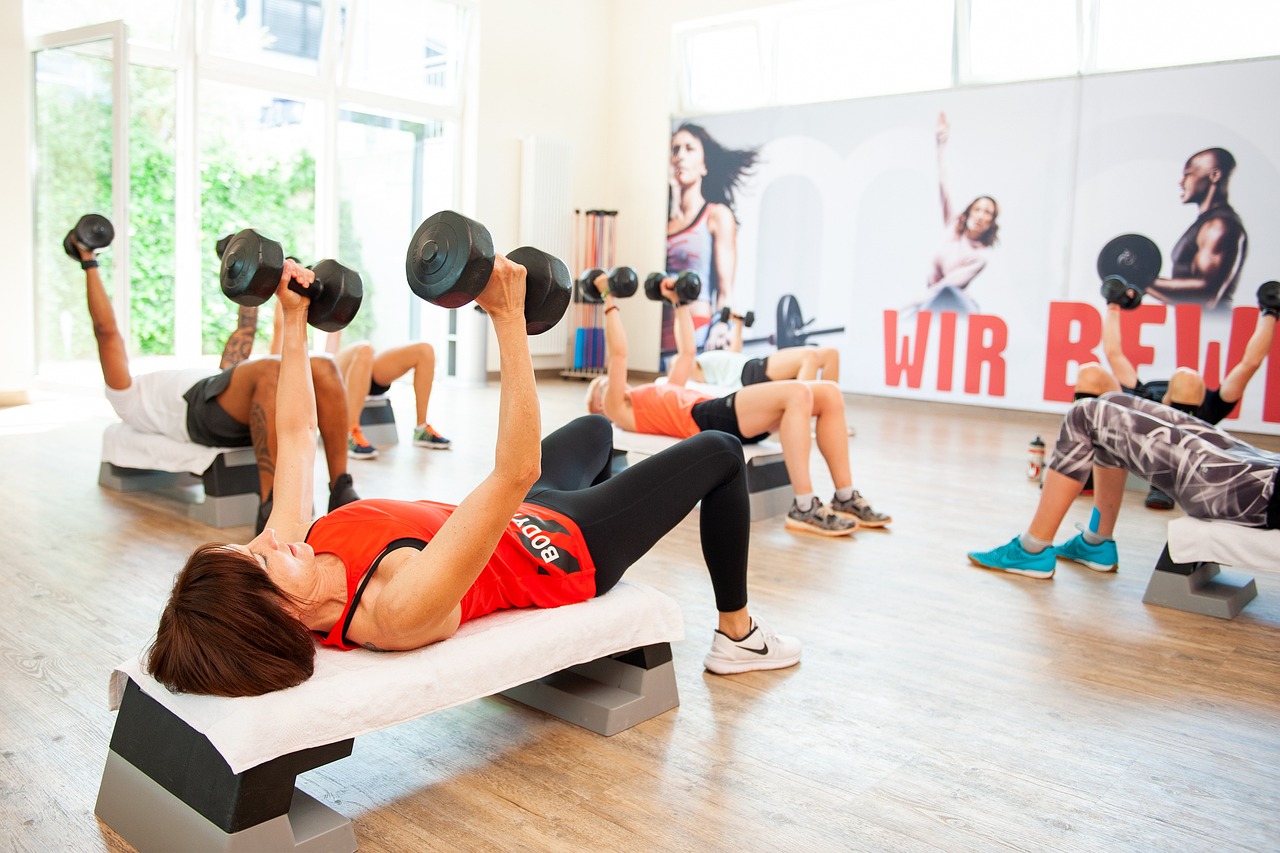
When seniors decide to join group fitness classes, they often wonder what to expect in terms of class structure. Typically, classes begin with a warm-up to prepare the body for exercise, which may include light stretching and gentle mobility movements. Following the warm-up, instructors guide participants through various strength training exercises. These may include body weight exercises, resistance bands, or light dumbbells, depending on the group’s fitness level. Modifications are essential, as some seniors may have limitations or previous injuries. Instructors carefully observe participants and provide cues to ensure proper form, which is crucial for preventing injuries. Classes often conclude with a cool-down period, including stretching and relaxation techniques. This helps participants recover after exertion. Seniors are encouraged to communicate any concerns or preferences they may have regarding the exercises. Peer support is also vital, as seniors often motivate one another to push through challenging workouts. Overall, expectations around class structure foster an environment of safety, engagement, and community, creating a comprehensive approach to fitness.
Getting Started with Group Classes
For seniors interested in participating in group fitness classes, several steps ensure a smooth introduction to strength training. Begin by visiting local gyms or community centers, which often offer classes tailored for older adults. Taking advantage of trial classes can help identify the right fit and instructor style. It’s crucial to communicate any prior health conditions or limitations with the instructor before starting. This allows instructors to recommend suitable modifications or alternative exercises during class. Wearing comfortable, appropriate workout attire enhances the experience, as well as having supportive footwear. Seniors should also stay hydrated throughout the class, ensuring they maintain energy levels. After attending a few sessions, participants may find their confidence increasing. Building rapport with other members can contribute to enjoyment and commitment to the routine. Additionally, tracking progress like improved strength or endurance can motivate seniors to push further. With time, they may also develop aspirations to participate in other physical activities or sports beyond the classes. Ultimately, the journey of starting group fitness classes can lead to enhanced physical health and quality of life.
Classes do not merely focus on physical enhancement; they also nurture social connections essential for mental wellness. Seniors participating in group fitness classes often report feeling less loneliness and more connected with their peers. These interactions foster camaraderie, where participants share experiences, enhancing the emotional aspect of fitness. Group fitness creates a safe space for conversations and sharing tips related to wellness, nutrition, and healthy living. Celebrating personal achievements, such as weight loss or improved endurance, together can significantly boost self-esteem and overall satisfaction. Regular attendance benefits both physical health and the social aspects, making workouts enjoyable rather than a chore. Additionally, engaging in classes helps reduce symptoms of depression and anxiety, which can be more prevalent in seniors. As participants bond over a shared commitment to fitness, they form lasting relationships. Many may continue their friendships beyond class, socializing or participating in additional activities together. This holistic approach, intertwining fitness and social engagement, promotes a fulfilling and active lifestyle for aging adults. Ultimately, well-structured group settings enhance all facets of life for seniors.
Safety Considerations in Strength Training
Safety is paramount when participating in group strength training classes for seniors. Proper form is vital; incorrect techniques can lead to injuries. Instructors should always emphasize safety and closely monitor participants for signs of fatigue or discomfort. Warming up before workouts significantly reduces injury risk, preparing muscles for exertion. Awareness of individual limits is essential; seniors shouldn’t push themselves beyond comfortable levels. Communication with instructors regarding concerns or limitations ensures that workouts are appropriate for each individual’s health circumstances. Equipment must also be suited to the fitness level of seniors, preventing unintentional strain. Strength training should be gradual, gradually increasing weights and resistance to avoid overwhelming participants. Instructors often customize workouts based on class members’ abilities, focusing on functional aspects relevant for daily activities, such as lifting groceries or standing up from a chair. The importance of taking rests cannot be overstated; short breaks during class enhance recovery. Encourage seniors to listen to their bodies and take breaks if needed. Group classes can be a safe space when properly guided, ensuring both safety and achieving fitness visibility and continuity, which is vital for aging adults.
Staying motivated throughout the fitness journey can be challenging for seniors, particularly when starting a new routine. Group fitness classes cultivate an environment that fosters encouragement and accountability among participants. Working together with like-minded individuals promotes a sense of belonging, pushing them to show up for class regularly. Acknowledging progress, regardless of how incremental, nurtures motivation. Seniors should celebrate personal milestones, whether it’s lifting heavier weights or completing an entire class without breaks. Instructors play a vital role by providing positive reinforcement and setting realistic goals. The joy of working towards a shared goal can significantly boost motivation to continue attending classes. Establishing friendships within the class might also enhance consistency in attendance, as they may encourage each other to train. Consider participating in challenges, such as fitness assessments or friendly competitions within the class, to maintain energy and excitement. Additionally, scheduling classes consistently reinforces a routine that seniors can look forward to each week, contributing to long-term success. Strong connections built in group settings encourage members to keep pursuing their fitness journeys.
Ultimately, incorporating strength training into group classes presents numerous advantages for seniors across the board. By emphasizing the importance of building strength, participants can enhance their quality of life while minimizing health risks associated with aging. The combination of physical improvements—such as increased strength, better balance, and enhanced mobility—creates a pathway to independent living. Group fitness classes also offer a unique opportunity for social interaction, ensuring that aging individuals do not feel isolated while pursuing health goals. Moreover, a focus on safety and tailored exercises helps alleviate concerns about injury, creating an environment conducive to positive experiences. As friendships blossom and motivation thrives, seniors remain engaged in maintaining their fitness and social connections. The journey into strength training can also encourage participants to explore additional hobbies or interests based on newfound confidence. Ultimately, strength training serves as more than just exercise; it represents a means of empowerment and resilience for seniors. By embracing these classes, aging adults embark on a path toward enhanced health and richer, more fulfilling lives.