
Incorporating Protein-Rich Vegetables into Your Diet
In recent years, a more vibrant interest in the world of sports nutrition has grown, particularly when it comes to the best sources of protein. While traditional protein sources often come from animal products, many people are exploring the benefits of incorporating protein-rich vegetables into their diets. These vegetables not only offer essential nutrients, but can also provide a unique blend of flavors and textures that enhance any meal. Including a variety of protein-rich vegetables can aid in muscle recovery and growth, making them essential for anyone regularly engaging in physical activities. It’s important to recognize that plants can offer complete protein profiles when combined effectively, especially when incorporating complementary proteins. Health-conscious individuals should also consider the added benefits these vegetables provide, such as fiber, vitamins, and minerals. Furthermore, with more people adopting vegan or vegetarian lifestyles, exploring plant-based proteins is critical to maintaining adequate protein intake. For athletes or fitness enthusiasts, the adoption of vegetable-based proteins can lead to a more balanced nutritional profile, optimizing performance while still adhering to dietary preferences or restrictions.
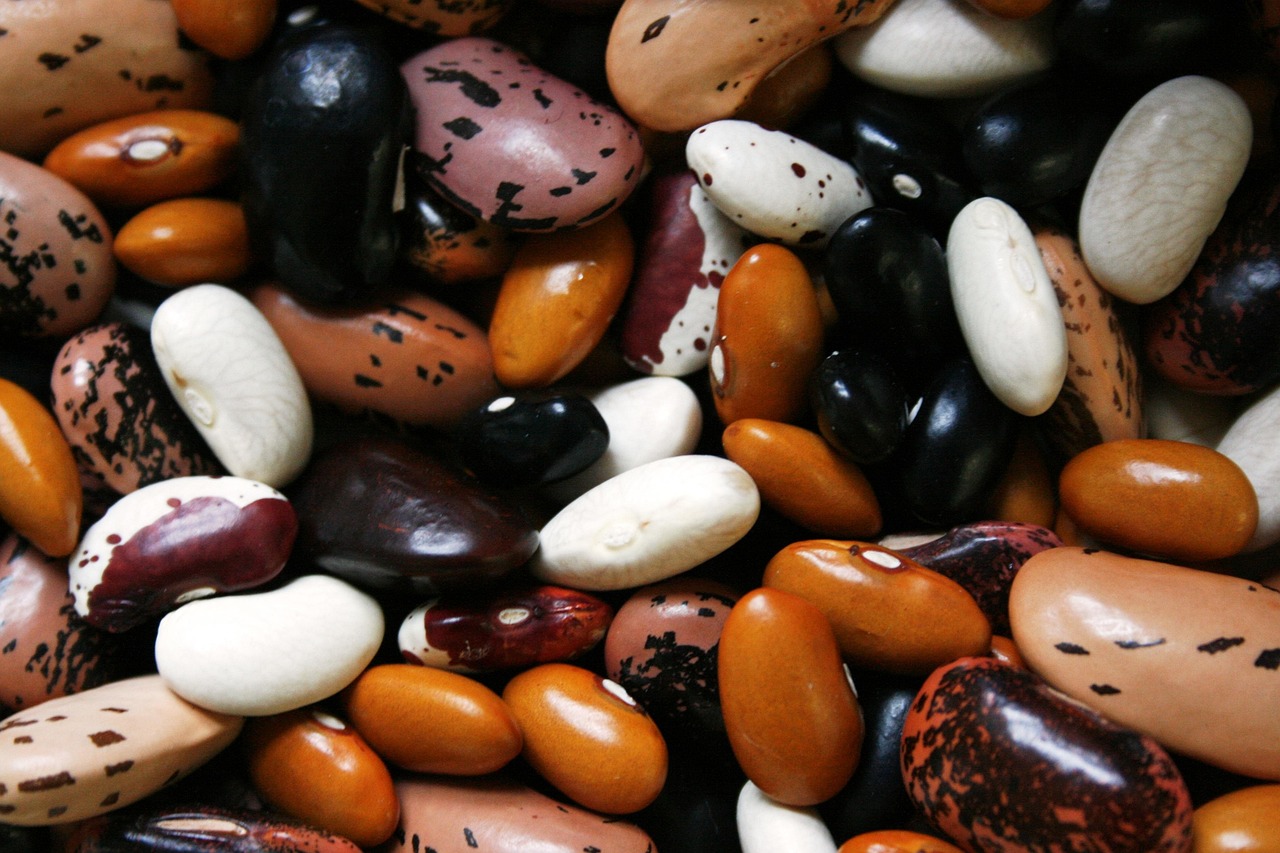
One of the best sources of plant-based protein is legumes, which include beans, lentils, and peas. Legumes contain high levels of protein, fiber, and essential nutrients. They can be easily incorporated into a variety of dishes, such as soups, stews, and salads, making them versatile for any diet. For instance, black beans are not only flavorful but also offer around 15 grams of protein per cooked cup. Similarly, lentils provide approximately 18 grams of protein per cooked cup, delivering a robust amino acid profile too. Peas, while lower in protein, still contribute a substantial amount, making them an excellent addition alongside other protein sources. The beauty of legumes lies in their ability to complement grains and vegetables, enhancing the overall protein quality of a meal. Health experts advocate for their regular use to boost overall dietary protein intake. Individuals should explore different legumes to find their favorites and learn how to incorporate them seamlessly into their eating routines. This can encourage more plant-forward meals that promote health, sustainability, and athletic performance.
Surprising Sources of Protein
Many people often overlook vegetables like spinach, kale, and broccoli when considering protein options. These leafy greens, while lower in protein compared to legumes, still offer beneficial amounts that can contribute to daily protein goals. For example, cooked spinach contains about 5 grams of protein per cup, while broccoli provides approximately 4 grams. Such amounts can be significant when combined with other protein sources throughout the day. Especially for individuals trying to eat more plant-based meals, including these greens is key to maximizing nutrient intake. Additionally, these vegetables are rich in vitamins, minerals, and antioxidants, promoting overall health and well-being. Experimenting with different recipes can help integrate these greens into your meals effectively. Adding them to smoothies, stir-fries, or omelets can enhance flavor while boosting protein content. Therefore, exploring various cooking methods can significantly elevate the nutritional value of a meal that features these protein-rich vegetables. Incorporating these greens is not merely about protein; it is about achieving a balanced, nutritious, and enjoyable diet.
Another group of protein-rich vegetables includes root vegetables, particularly sweet potatoes and beets. While they might not have as high a protein concentration as legumes or greens, they still offer important nutrients and a decent amount of protein. Sweet potatoes, for instance, contain around 4 grams of protein per cup when cooked, alongside providing dietary fiber and essential vitamins. On the other hand, beets contain about 2 grams of protein per cup and are full of antioxidants that promote heart health. The sweetness of these root vegetables can add a delightful flavor to many dishes. Roasting or mashing them can create delicious side dishes or even serve as a base for salads and bowls. Experimenting with different spices and seasonings can enhance the eating experience and increase meal variety. Furthermore, their naturally sweet flavor can help satisfy sugar cravings in a healthful manner. Ultimately, including these protein-rich root vegetables can diversify your diet while ensuring you gain essential nutrients and maintain a balanced intake.
Incorporating Protein into Meals
Certain cruciferous vegetables, such as Brussels sprouts and cabbage, are excellent additions to a protein-rich diet. Brussels sprouts contain about 4 grams of protein per cooked cup and are rich in fiber, vitamins, and minerals. They can be roasted, steamed, or sautéed, each method bringing out their unique flavor and texture. Similarly, cabbage provides around 1.5 grams of protein per cup of cooked cabbage, along with a host of beneficial micronutrients. The versatility of these vegetables allows for various culinary applications, from salads to stir-fries, enhancing both flavor and nutritional content. Furthermore, learning to pair these vegetables with grains or legumes can maximize their protein profiles, complementing their nutritional benefits. This culinary versatility makes it easier for dietary adjustments, especially for those looking to reduce meat consumption. Individuals can further their culinary skills by exploring different cuisines that prominently feature these vegetables, ensuring meals are both enjoyable and nourishing. Understanding these various cooking techniques can elevate everyday meals while supporting protein intake effectively.
Another way to enhance protein intake through vegetables is by including plant-based protein powders. These often derive from peas, brown rice, or hemp seeds and can be blended into smoothies, oatmeal, or baked goods. Such powders allow for an easy boost of protein without altering the flavor profile of the dish significantly. They can provide an additional 15 to 25 grams of protein per serving, supporting muscle recovery and growth for active individuals. For athletes, protein powders can be a convenient source of nutrition post-workout, promoting sustained energy levels and improving muscle repair. More importantly, opting for organic and non-GMO protein powders ensures cleaner sourcing. Reading labels helps to identify products with minimal additives and sugars. Incorporating these products fosters a more varied dietary approach, diversifying protein sources within meals. Furthermore, exploring recipes specifically designed for protein powders can ensure they enhance meals without compromising taste. With creative culinary uses, these powders can become invaluable tools in achieving daily protein goals, appealing especially to those more engaged in their dietary choices.
Conclusion
In summary, including protein-rich vegetables in your diet offers numerous benefits for overall health and athletic performance. From legumes to leafy greens, each category contributes valuable nutrients essential for daily functioning. The range of culinary options allows individuals to diversify their diets, making healthy eating enjoyable. Root vegetables like sweet potatoes and beets add natural sweetness and essential micronutrients too. Moreover, incorporating cruciferous vegetables and plant-based protein powders ensures a well-rounded approach to nutrition. By embracing these options, not only can individuals support their fitness goals, but they can also foster overall well-being. Experimenting with various recipes and cooking techniques can promote a positive food experience while maximizing nutrient intake. Achieving a nutritious and satisfactory diet is within reach, with the myriad of vegetables available to enhance protein consumption. Additionally, listening to your body’s needs and preferences can aid in making conscious dietary decisions that promote health and vitality. Making these small yet impactful changes can lead to a solid foundation of health and nutrition, paving the way for a vibrant lifestyle.
As you embark on meal planning, consider incorporating more protein-rich vegetables on your plate. These choices contribute significantly to enhancing physical health, energy levels, and overall well-being. Crafting meals around these ingredients ensures you meet your nutritional needs while enjoying flavorful foods. By integrating and experimenting with different vegetables, you’ve got the potential to create meals that are not only tasty but packed with protein too. This exploration can lead to new favorites and a deeper understanding of nutritional elements. Efforts made to incorporate these vegetables today will pay dividends for years to come, as you support both health and lifestyle choices. As you become more familiar with these options, try pairing them with whole grains or healthy fats to enhance satiety and taste. Consider finding ways to incorporate protein-rich vegetables into snacks, such as veggie sticks with hummus or smoothies with spinach. Such modifications will guarantee a consistent and accessible supply of nutrients as a part of your daily routine. Growth in health through nutrition is a worthwhile pursuit, and the journey towards better eating habits begins with these simple choices.