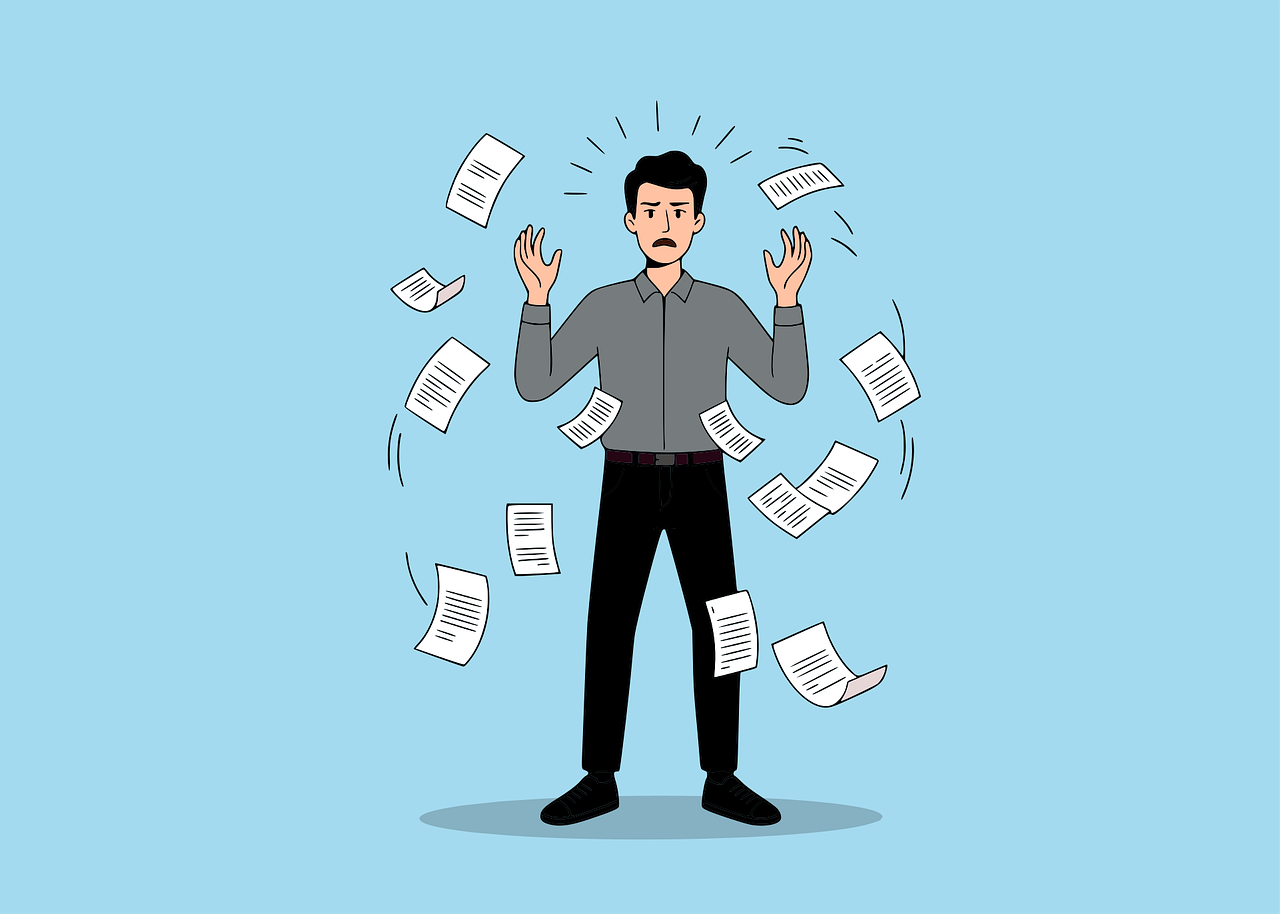

Top 10 Personal Training Tips for Effective Stress Management
Managing stress effectively is essential for overall health and wellness. Regular physical activity acts as a powerful stress reliever by releasing endorphins, the body’s natural feel-good hormones. Engaging in personal training sessions can enhance this effect by providing structured exercise and support. It is important to focus on activities that you genuinely enjoy. The more you enjoy the workout, the more likely you are to stick with it. Incorporate various types of exercise such as strength training, cardiovascular workouts, yoga, and stretching. Setting realistic goals during personal training helps in maintaining motivation, leading to reduced stress levels. Break larger goals into smaller, manageable tasks to measure progress accurately. Consider tracking your achievements to stay motivated over time and adjust your training accordingly. Additionally, learning how to breathe deeply can help alleviate acute stress responses. Focus on your breathing during exercises; inhaling and exhaling slowly can calm your mind and body. Remember also to maintain a balanced diet, hydrating adequately and prioritizing sleep, all key factors in effective stress management.
Finding Your Routine
Finding the right workout routine is crucial for stress management. Start by assessing your current fitness level, considering any physical limitations you may have. Consult with a personal trainer to create a tailored plan that meets your individual needs. A balanced routine should mix aerobic exercises, strength training, and flexibility workouts. Consistency is key; aim to exercise at least three to four times each week. Creating a schedule can help establish a habitual routine, making it easier to stay committed. Allow for flexibility within that schedule to accommodate your lifestyle. Another factor to consider is your workout environment. Whether you prefer a gym setting or outdoor exercise, choose a location that eliminates stress and promotes positivity. Moreover, working out with friends or joining a fitness group can enhance motivation and accountability. Sharing your fitness journey with others can also serve as an emotional support system. Closing each workout with a cool-down session can help negate any residual stress and tension, fostering relaxation and mental clarity. Ultimately, the best routine is one that uniquely fits your preferences and lifestyle.
Incorporating mindfulness into your personal training can greatly enhance stress management effectiveness. Mindfulness, which includes awareness and focus during exercises, helps you concentrate on the present moment rather than overarching worries. Before every session, dedicate a few moments to set an intention or mental focus, allowing your mind to delve deeper into the workout. Engaging fully with your exercise routine means not merely going through the motions but leveraging each movement purposefully. Techniques like guided meditation or visualization can be integrated into your training as well. Picture yourself achieving your goals in vivid detail as you perform each exercise. This mindset creates a mental framework to tackle stress with confidence and resilience. Similarly, utilizing technology such as apps to log workouts can help manage anxiety about progress and fitness level. These tools often provide valuable feedback and allow you to see tangible results over time. Additionally, personal trainers often possess knowledge on breathing techniques that can facilitate relaxation. Stress and anxiety can impede performance, so implementing strategies to address these feelings before they interfere is important to your overall training success. Remember that relaxation is just as vital as rigorous training.
Rest and Recovery
Rest and recovery are pivotal components in any personal training regimen, especially for those looking to manage stress effectively. Overtraining can lead to burnout, fatigue, and increased stress levels. Ensure that your training plan includes rest days, allowing your body to recover and repair muscles. This is particularly critical after intensive workouts. Incorporating activities such as yoga or gentle stretching on your rest days can provide relief while still maintaining a fitness routine. Additionally, consider the importance of sleep in the recovery process. Lack of sleep can amplify stress levels, making it harder to function effectively throughout the day. Aim for 7 to 9 hours of quality sleep each night by creating a relaxing bedtime routine. Reducing caffeine intake, disconnecting from electronic devices prior to sleep, and maintaining a comfortable sleeping environment can all contribute to improved sleep quality. Consider utilizing sleep monitoring apps to gain better insights into your sleeping patterns. Adequate recovery not only improves performance but also significantly impacts emotional well-being. A well-balanced approach can help ensure that you derive maximum benefits from your personal training experience in stress management.
Nutrition plays a vital role in effective stress management, often overlooked in personal training programs. A well-balanced diet composed of whole foods such as fruits, vegetables, lean proteins, and whole grains can support mental and physical health. Foods rich in omega-3 fatty acids, for instance, help regulate mood and are beneficial for reducing stress. Prioritize meals that stabilize blood sugar levels to keep energy consistent and minimize irritability. Hydration is similarly important; drinking enough water can significantly affect cognitive function and mood. Encourage awareness of how food choices influence your body and mind throughout training sessions. Additionally, consider meal prepping to ensure that nutritious options are readily available, reducing stress related to food decisions. Avoid highly processed sugars, fats, and caffeine, as they can lead to energy crashes and exacerbate anxiety. Instead, introduce healthy snacks to fuel workouts and maintain energy levels, helping you feel upbeat during training. Remember, personal trainers can often provide tailored nutritional advice in conjunction with fitness programs, ensuring that you’re reasonably addressing all aspects of well-being in your regime.
Social Connections
Building strong social connections is crucial for managing stress while undergoing personal training. Regularly exercising with others fosters a sense of community and encourages accountability. Group workouts can boost motivation and provide an engaging atmosphere to make physical activity enjoyable. Whether it is through a friend, family member, or a dedicated fitness group, sharing your fitness experience mitigates feelings of loneliness and promotes emotional well-being. Connecting with others who share similar challenges can create a supportive environment, making it easier to overcome stress associated with fitness goals. Additionally, consider discussing your training journey with peers. Often, sharing successes and struggles creates unique opportunities for encouragement and resource sharing. Actively participating in group fitness classes or training workshops introduces you to new people who share your interests. Remember that personal trainers can help facilitate these connections if you are new to exercise or navigating social situations within fitness environments. Finding your community can be incredibly uplifting, as it can lead to long-lasting friendships built around health and wellness.
Incorporating variety in your personal training routine is essential for continuous engagement and stress relief. Repeating the same workout regimen can lead to boredom and diminish motivation. Mixing up your exercises can keep things fresh, making workouts enjoyable while also challenging your body. Try new fitness classes or explore different outdoor activities such as hiking or cycling. Engaging in multi-faceted training not only enhances skills but also boosts endorphin levels, maintaining enthusiasm. Consider setting mini-challenges or trying different sports to break the monotony. Participating in seasonal activities can add excitement and create opportunities to connect with nature, further aiding in stress management. Tracking your progress can serve as a motivational tool, helping you visualize improvements and growth in your fitness journey. Incorporating fun, recreational activities into routines can help relieve stress while fostering a positive outlook. Remember, it’s essential to remain adaptable; if something isn’t working for you, don’t hesitate to adjust or try something new. Flexibility in your personal training plan cultivates resilience and promotes long-term dedication to fitness and personal growth.