
Incorporating Biodiversity Conservation in Fitness Facility Planning
Integrating biodiversity conservation into fitness facility planning is critical for minimizing environmental impact. These facilities often require significant land use, which can disrupt local ecosystems. By considering biodiversity early in the planning stages, developers can identify and protect native species, thereby enhancing local habitats. This approach not only fosters wildlife conservation but also enriches the user experience by promoting natural aesthetics. Community engagement can lead to better planning practices that uphold sustainability. Key measures include conducting thorough environmental impact assessments, consulting ecological specialists, and aligning fitness goals with conservation strategies. Engaging with local biodiversity action plans can help in identifying important species and habitats that need protection during the construction and operational phases of the fitness facility. Awareness of local flora and fauna is crucial, as certain construction practices can create barriers or threaten the survival of native species. Such thoughtful initiatives can transform fitness facilities into significant players for promoting biodiversity. Moreover, investing in green infrastructure, such as native landscaping, can significantly enhance biodiversity and attract local wildlife. This proactive mindset facilitates the creation of healthier and more sustainable environments for both communities and nature alike.
Choosing the right location is pivotal when planning for fitness facilities with biodiversity in mind. The selected site should ideally minimize disruption to existing habitats while considering accessibility for users. Assessing the ecological value of a site involves understanding its current biodiversity levels. Engaging with local conservation organizations can provide insights into species present and whether any are threatened or endangered. Additionally, facilities should be planned in a way that promotes connectivity between landscapes, assisting wildlife movement. This might involve creating green corridors or buffer zones that help preserve local ecosystems. Practical considerations include using sustainable building materials and technologies that reduce energy consumption and carbon footprints. Direct impacts can be mitigated through strategic placement of facilities that prioritize the surrounding environment. Design elements such as green roofs and permeable pavements can enhance the ecological footprint of fitness centers. Integrating these environmental aspects not only benefits wildlife but also attracts eco-conscious consumers. Thus, adhering to a biodiversity-friendly approach can provide long-term advantages while fulfilling community health and fitness needs.
A comprehensive Environmental Impact Assessment (EIA) is fundamental before establishing a fitness facility. An EIA evaluates potential environmental consequences and identifies ways to mitigate adverse effects. During this process, biodiversity considerations should take precedence. By evaluating the site’s ecological characteristics, planners can prevent future conflicts with wildlife. A critical component of the EIA process is engaging the community and stakeholders to gather diverse perspectives about the land and its uses. This engagement can drive more informed decision-making around environmental conservation. Moreover, understanding the community’s relationship with local biodiversity can inspire innovative solutions for integrating fitness activities with natural spaces. By assessing impacts early, planners can modify their designs in ways that enhance biodiversity while still meeting operational goals. For example, incorporating natural features like ponds or native gardens into the facility can offer additional recreational opportunities for users. These natural elements help educate patrons about local ecosystems, fostering a sense of connection to nature. Facilities can also serve as educational hubs, hosting workshops or programs detailing local biodiversity initiatives. This synergistic relationship between fitness facilities and environmental sustainability promotes community engagement.
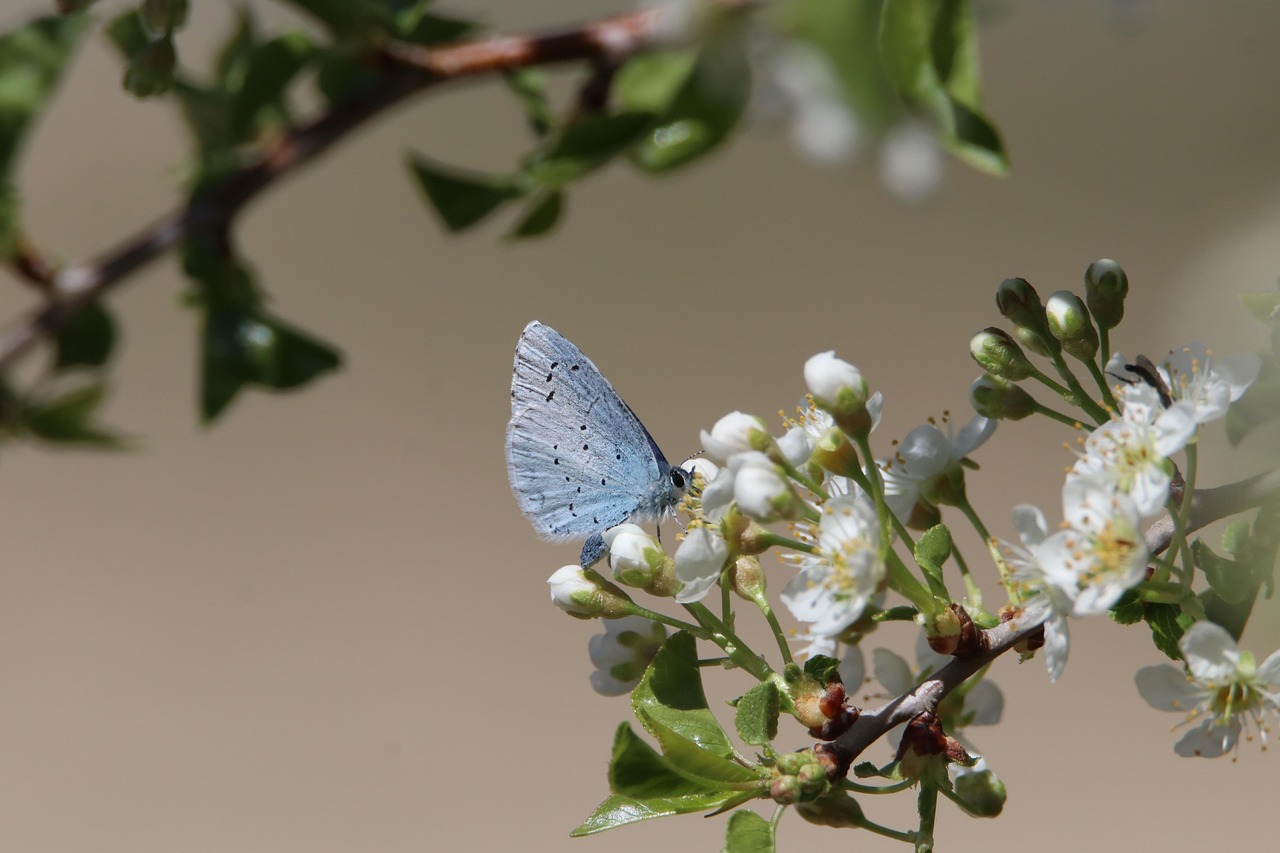
The role of landscaping in fitness facilities should not be underestimated in contributing positively to biodiversity. Thoughtful and strategic landscaping can support local biodiversity while providing recreational spaces for users. Native plants should be prioritized, as they require less maintenance and can provide essential habitat for wildlife. By creating diverse plantings, fitness facilities can attract pollinators such as bees and butterflies. Additionally, native trees can provide shade and enhance the overall user experience in outdoor areas. It is also vital to incorporate water features that support local ecosystems, such as ponds or rain gardens. These features act as vital habitats for various species while also managing stormwater runoff. Proper maintenance practices involve limiting pesticide use, which can have detrimental effects on local wildlife, including beneficial insects. Instead, fitness centers should advocate for integrated pest management strategies that uphold biodiversity health. Notably, fitness facilities can actively engage with their communities to promote biodiversity awareness through workshops, educational signage, and community planting events. By integrating these landscaping strategies with fitness planning, facilities can foster environmental stewardship while meeting their operational objectives.
Collaboration among different stakeholders is essential to ensure the successful integration of biodiversity conservation in fitness facility planning. Local governments, fitness operators, ecologists, and community groups can collaborate on specific projects to identify shared goals. Establishing partnerships with conservation organizations can amplify the impact of these facilities on local biodiversity. Educational initiatives can be developed to raise awareness and foster community involvement in conservation activities. For instance, organizing volunteer days for habitat restoration or citizen science projects can engage users and deepen their connection with the environment. Incorporating these community-driven approaches ensures that fitness facilities not only serve their immediate users but also contribute positively to ecological health. Stakeholder dialogues can lead to the identification of biodiversity hotspots and opportunities for enhancement within the facility’s site. Additionally, integrating conservation goals into the facility’s mission can attract environmentally-conscious clientele, who prioritize sustainable practices. Such practices can create a positive brand identity that resonates with community values. Prioritizing biodiversity can serve as a unique selling proposition for these fitness facilities, promoting them as leaders in sustainability and a healthier ecosystem in general.
Monitoring and evaluating the effectiveness of biodiversity initiatives is crucial for fitness facilities. Establishing baseline data during the initial environmental assessments allows for ongoing analysis and comparisons. This data can help measure the impacts of biodiversity initiatives over time. Engaging with local ecological experts can assist in the development of monitoring programs that track flora, fauna, and ecological health indicators. By utilizing citizen science methodologies, facilities can engage their users in monitoring efforts while also building awareness of local biodiversity. These programs can involve activities like birdwatching, plant identification, or species counts, fostering a deeper understanding and appreciation among users. With periodic assessments completed, facilities can adjust their sustainability practices and optimize their contributions toward biodiversity. It can also highlight successful initiatives to inspire further efforts within the community or among other facilities. In essence, a strong commitment to monitoring enhances accountability and transparency around biodiversity efforts. Such measures can also fulfill reporting requirements for environmental certifications. Ultimately, prioritizing continuous improvement can ensure that fitness facilities remain a vital part of healthy ecosystems and engaged communities.
In conclusion, incorporating biodiversity conservation into fitness facility planning not only benefits the environment but enriches the user experience. A holistic approach, encompassing all aspects of planning from site selection to landscaping, offers numerous advantages. Engaging the community through education and volunteer efforts promotes stewardship and awareness of local biodiversity. By adhering to principles of sustainability, fitness facilities can serve as essential components of local ecosystems while providing spaces for community health. Collaboration among various stakeholders bolsters efforts, ensuring that conservation measures are effective and actionable. Continued monitoring and evaluation of initiatives create opportunities for further enhancements, fostering long-term positive outcomes for both users and the environment. Overall, fitness facilities that embrace a biodiversity-centric vision align their operational goals with ecological responsibilities. As communities become more aware of their environmental impacts, they increasingly seek spaces that reflect their values. By prioritizing biodiversity in their planning, fitness facilities can distinguish themselves as leaders in sustainable practices, ultimately enhancing their appeal and contributing significantly to healthier ecosystems. This symbiotic relationship not only benefits the immediate vicinity but also promotes a broader culture of environmental advocacy through fitness.
In conclusion, incorporating biodiversity conservation into fitness facility planning not only benefits the environment but enriches the user experience. A holistic approach, encompassing all aspects of planning from site selection to landscaping, offers numerous advantages. Engaging the community through education and volunteer efforts promotes stewardship and awareness of local biodiversity. By adhering to principles of sustainability, fitness facilities can serve as essential components of local ecosystems while providing spaces for community health. Collaboration among various stakeholders bolsters efforts, ensuring that conservation measures are effective and actionable. Continued monitoring and evaluation of initiatives create opportunities for further enhancements, fostering long-term positive outcomes for both users and the environment. Overall, fitness facilities that embrace a biodiversity-centric vision align their operational goals with ecological responsibilities. As communities become more aware of their environmental impacts, they increasingly seek spaces that reflect their values. By prioritizing biodiversity in their planning, fitness facilities can distinguish themselves as leaders in sustainable practices, ultimately enhancing their appeal and contributing significantly to healthier ecosystems. This symbiotic relationship not only benefits the immediate vicinity but also promotes a broader culture of environmental advocacy through fitness.