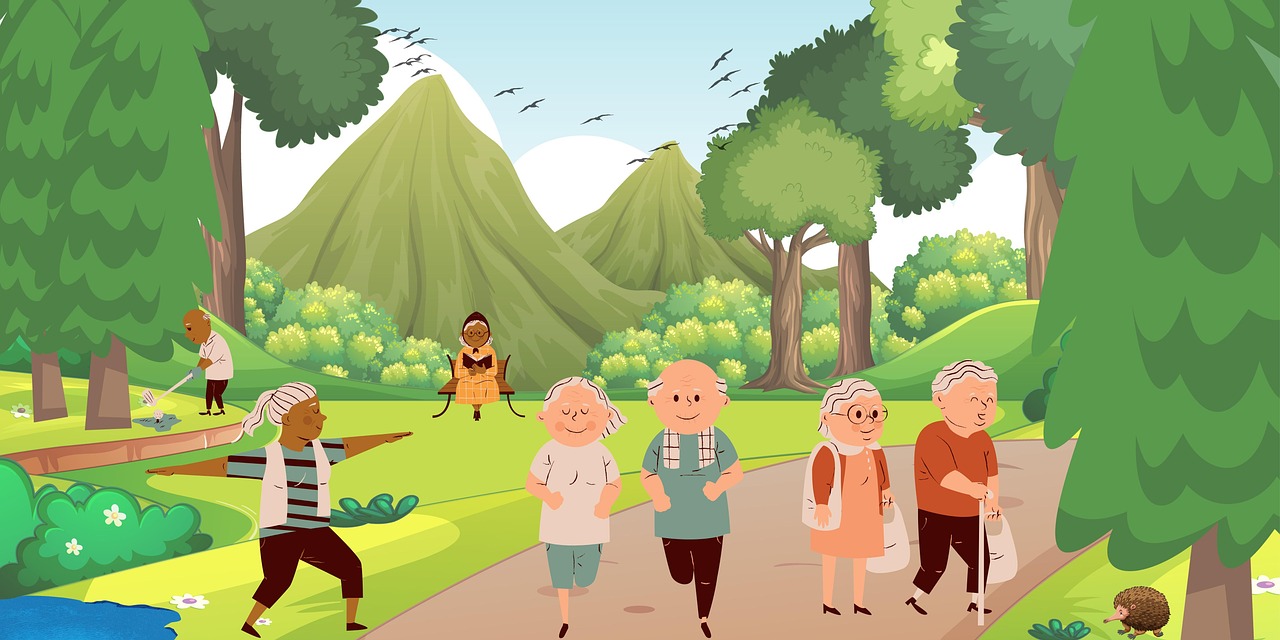

Outdoor Activities and Fitness for the Elderly
The fitness industry is adapting to the increasing needs of an aging population, especially concerning outdoor activities. Aging individuals often seek low-impact exercises that enhance mobility, strength, and overall well-being. Regular outdoor activities not only promote physical health but also mental and emotional wellness. Engaging in nature has been shown to reduce stress and anxiety, improve mood, and enhance cognitive functions. Activities like walking, cycling, and low-intensity aerobics can easily be incorporated into daily routines, making fitness enjoyable and feasible for seniors. Furthermore, the community aspect of outdoor activities fosters social connections, combating feelings of loneliness and isolation. Local parks and trails provide perfect venues for group exercises or recreational activities. These settings can encourage participation, create a sense of belonging among elderly individuals, and improve motivation to stay active. With appropriate planning, fitness programs can accommodate mobility challenges, ensuring that everyone can participate. Simple modifications can make outdoor exercises accessible, ensuring the elderly enjoy the benefits of an active lifestyle tailored to their capabilities. Therefore, prioritizing outdoor fitness for seniors becomes essential for promoting their quality of life.
Engaging in outdoor activities provides unique benefits tailored to the elderly. Activities such as walking sessions in community parks are increasingly popular among older adults, who enjoy fresh air and nature. These activities can be planned as routine social gatherings that foster camaraderie and promote physical exertion. Additionally, gentle stretching and yoga in picturesque settings not only improve flexibility but also significantly enhance balance. Practicing outdoor yoga under the sun can uplift spirits while reducing tension. Furthermore, cycling on safe paths offers an excellent cardiovascular workout while building muscle strength. Local community centers often organize biking groups that focus on friendly companionship, encouraging participation. Gardening is another fantastic outdoor activity; it provides a combination of gentle exercise and cognitive engagement, which has therapeutic effects on mental health. Through these channels, seniors can explore new hobbies and interests that contribute positively to their quality of life. Groups led by trained instructors ensure that safety and comfort are prioritized, with accessibility at the forefront. Making outdoor activities enjoyable allows for consistent participation, leading to lasting habits that improve health outcomes for aging populations. Adapting these activities will help in meeting diverse fitness needs for the elderly.
Importance of Social Interaction in Fitness
Outdoor fitness activities offer vital opportunities for social interactions among seniors. Engaging in group exercises fosters connections and builds friendships, combating loneliness prevalent in older adults. Active social lives contribute to mental and emotional well-being, enhancing overall happiness and satisfaction. Local community events hosted in parks can encourage participation while avoiding the monotony of solo exercises. Often, elderly individuals feel more motivated to engage in physical activities when surrounded by peers. Activities can include walking clubs, tai chi in the park, or senior-friendly fitness classes. These settings allow seniors to share experiences, challenges, and successes, bringing a sense of community. Moreover, intergenerational outdoor activities can bridge the gap between younger generations and elderly participants, enriching the experience for both. Volunteers from local schools can assist seniors in various fitness programs that remain enjoyable and beneficial. Organizing community fitness events can significantly increase attendance and provide a platform for building relationships. As seniors bond through shared experiences, they encourage one another to remain active, supporting each other’s health journey. Thus, social interaction in fitness is crucial for fostering a sense of belonging within active communities.
Safety should be a primary concern when planning outdoor fitness routines for seniors. The elderly are often susceptible to various health issues, making it essential to tailor activities that consider their unique needs. To minimize risks, physical assessments and consultations with healthcare providers can guide safe participation. Additionally, activities should be designed accordingly and adapt to any aerobic or mobility restrictions, ensuring accessibility for all. Walking paths should be well maintained, free of hazards, and accompanied by suitable furniture for resting when needed. Moreover, it is vital to encourage the use of appropriate fitness gear, including footwear that provides adequate support. Group leaders or fitness instructors should be certified in elder fitness to address any potential health concerns throughout the activity effectively. Outdoor spaces should also be well-equipped with shaded areas, hydration stations, and restrooms, ensuring comfort and convenience. Additionally, incorporating warm-up and cool-down sessions prevents injuries. By emphasizing safety in outdoor activities, participants can enjoy numerous health benefits without compromising their well-being. Community offerings should focus on creating inclusive environments where seniors can exercise with confidence, knowing that their needs are always prioritized.
Technology and Its Role in Outdoor Fitness
The integration of technology into outdoor fitness significantly benefits the elderly population. Wearable devices and fitness apps designed for seniors can track activity levels, heart rate, and overall fitness goals. This data can help personalize exercise routines, ensuring seniors understand their limits and strive for improvement. Virtual group classes accessible through technology allow seniors to participate in outdoor activities from their backyards or join local groups remotely. This option offers flexibility for those with mobility issues or transportation challenges. Many senior-friendly apps even include guided workouts tailored to outdoor settings, enhancing engagement and enjoyment. Additionally, online platforms facilitate virtual social interactions, as seniors can connect with friends while engaging in fitness activities. Goals can be shared, encouraging friendly competition that empowers them to remain committed to their fitness journeys. Locally, community centers may also incorporate technology by providing resources for seniors to learn about health, nutrition, and workout routines. Thus, embracing technology can significantly change the way outdoor fitness is approached for the elderly, increasing accessibility and participation while ensuring they remain active and connected to their communities.
Nutrition plays a vital role in enhancing the benefits of outdoor activities for seniors. Proper nutrition is essential for maintaining energy levels, supporting muscles, and ensuring overall well-being. Seniors engaging in outdoor fitness should focus on incorporating nutritious foods rich in fiber, vitamins, and minerals. Foods such as fruits, vegetables, whole grains, lean proteins, and healthy fats provide the necessary nutrients to sustain physical activity. Hydration is equally important, as dehydration can have serious consequences, especially in older adults after outdoor activities. Encouraging seniors to monitor their water intake before, during, and after exercise can significantly improve their performance and recovery. Community workshops on nutrition can supplement fitness programs, educating seniors on healthy meal planning tailored to their specific needs. This knowledge empowers them to make informed decisions about their diets, promoting better health outcomes. Additionally, supportive environments encourage participation in group cooking sessions focused on preparing healthy meals. By combining fitness and nutrition workshops, communities can create comprehensive health programs for the elderly. These initiatives equip seniors with tools to maintain a balanced lifestyle that supports their outdoor fitness endeavors while enjoying healthier, more fulfilling lives.
Challenges to Outdoor Fitness for Seniors
Despite the numerous benefits of outdoor fitness, several challenges must be addressed when considering the elderly population. Weather conditions, for instance, can limit outdoor activities during extreme heat or cold, potentially causing physical harm. Community organizations should develop alternative plans ensuring fitness routines remain uninterrupted during inclement weather. Indoor venues offer suitable options to keep seniors engaged when the weather is less than favorable. Additionally, for some seniors, transportation poses a barrier to participating in outdoor fitness groups, particularly those who may not drive. By offering transportation services or coordinating carpooling among community members, accessibility can significantly improve. Furthermore, anxiety and fear of injuries may deter some seniors from participating in vigorous outdoor activities. Tailoring programs to include more accessible alternatives, such as walking or gentle stretching, can alleviate these concerns. Finally, health literacy plays a crucial role in ensuring that the elderly understand the benefits of outdoor fitness. Providing informative resources, educational sessions, and clear communication can encourage seniors to embrace outdoor fitness. By addressing these challenges, communities can create more inclusive activity opportunities for seniors, emphasizing the importance of staying active throughout their golden years.
In conclusion, outdoor activities play a pivotal role in meeting the fitness needs of an aging population. By adapting programs and services to address the unique challenges faced by elderly individuals, communities can promote healthier lifestyles. Encouraging participation in outdoor fitness activities fosters physical health, provides vital social connections, and enhances mental well-being. Through careful planning, organizations can create suitable environments that prioritize safety while ensuring accessibility for all participants. Incorporating technology aids in personalizing fitness experiences, making it easier for seniors to monitor their activities and progress. Nutrition education further complements outdoor fitness initiatives, empowering seniors to make informed decisions about their health. Finally, addressing challenges related to weather, transportation, and health literacy is essential in creating inclusive fitness programs. The ultimate goal should be to foster a culture of health and activity among the elderly population. By prioritizing outdoor activities tailored for senior needs, communities will significantly contribute to improved physical and mental health outcomes for their elderly residents. As the fitness industry evolves, it is crucial to remain attentive to the specific needs of aging individuals and develop sustainable, effective outdoor activity programs that promote active lifestyles.