
How to Overcome Fear of Water When Learning to Swim
Many beginners face an inherent fear of water when starting their swimming journey. This fear can stem from various experiences, such as a lack of exposure to water in childhood, witnessing distressful incidents, or feeling overwhelmed by the unknown aspects of swimming. Understanding these fears is the first crucial step towards overcoming them. It’s essential for beginners to acknowledge that feeling scared is perfectly normal and to remind themselves that they are not alone in this struggle. Creating a safe environment is fundamental. Enrolling in swim classes led by certified instructors can significantly ease this transition. When learning, try practicing deep breathing techniques to help calm your nerves. Focusing on relaxation will alleviate anxiety and allow for a more enjoyable experience. Visualization techniques can also assist. Picture yourself confidently gliding through water, associating swimming with a positive mental image. Furthermore, gradual exposure to water can help diminish fear. Start in shallow water and gradually move deeper as your confidence builds. Consistent practice and positive reinforcement go a long way in enhancing your swimming experience and overcoming your fear of water, ultimately developing your skills and comfort.
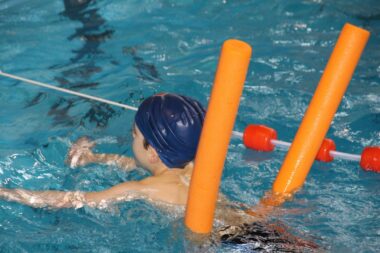
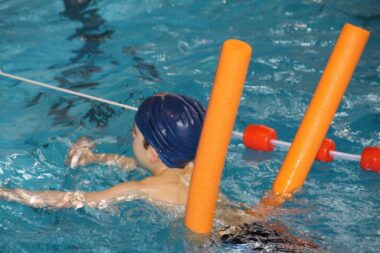
Setting realistic goals is paramount for anyone hoping to conquer their fear and confidently swim. Start with small, easily achievable targets that build your confidence incrementally. For instance, you may begin by simply getting into the pool, then progressing to standing in the shallow end, and finally, practicing floating on your back. Celebrating these minor victories can boost your confidence and encourage sustained progress. It is also beneficial to partner with a supportive buddy or instructor, as they can provide constructive feedback while maintaining a watchful eye. They can help ensure your techniques are sound, which alleviates self-doubt. Utilizing flotation devices can also assist you while you adapt to water. Use a kickboard or a noodle to help you stay buoyant while practicing your strokes. As you become more comfortable, gradually reduce your dependence on these aids. Practice different techniques in water gradually, increasing depth as confidence develops. This systematic approach to learning offers a secure setting that nurtures both skill acquisition and emotional resilience as you adapt. Be patient; every swimmer has their pace of learning, and acceptance of your unique journey is essential for growth.
Breathing Techniques for Relaxation
Effective breathing techniques play a pivotal role in mastering water-related anxiety. Deep and controlled breathing helps calm the body, reduces feelings of panic, and allows swimmers to stay focused. The process of inhaling deeply through the nose and exhaling slowly through the mouth helps establish a rhythm that is calming. You should also practice this technique outside the pool to develop a habit of relaxation. By establishing a breathing routine before entering the water, you give your mind and body the chance to prepare. Inside the pool, maintain this breathing pattern to create a soothing atmosphere when diving into water. Practicing proper breathing while swimming also enhances your overall performance; it allows for more efficient strokes and reduces fatigue. Remember to exhale underwater to prevent water from entering your lungs. This technique can help you feel more in control, reducing anxiety as you become familiar with managing your breath while submerged. When you combine deep breathing with visualization and relaxation techniques, the experience can shift from fear to empowerment, allowing you to progress positively in your swimming abilities.
Mindfulness can significantly aid beginners in overcoming their fear of water. By concentrating on your surroundings, senses, and each movement, you create a heightened awareness which diverts attention from fear to learning. It’s essential to cultivate a mindset focused on the present moment. Begin by observing the water’s texture, temperature, and sounds. Take a few moments, close your eyes, and center your thoughts; this grounding practice can help calm racing feelings. Additionally, repeating affirmations can foster a positive mindset. Simple phrases like “I am safe in the water” or “I am learning to swim” helps reassure your subconscious that you can tackle this challenge. While swimming, focus on your swim strokes, how your body moves, and the sensation of water against your skin. Each aspect gives you a greater connection to the water, enhancing both comfort and skill. Encouraging self-talk can help reinforce beliefs. Remind yourself of past successes when you achieved something difficult. Accepting that frustrations may be part of learning and that progress comes with patience will help maintain motivation through your swimming journey.
Gradual Exposure to Water
Gradual exposure to water is a powerful strategy in overcoming the fear of swimming. Slowly acclimatizing your body to the sensation of being in water can ease anxiety and raise confidence. Begin by standing at the edge of the pool; immerse just your feet at first, allowing your body to familiarize itself with the temperature and buoyancy. Subsequently, try sitting on the pool’s edge, splashing your legs gently and progressively continuing to sit on or near the shallow end. Focus on enjoying this experience and letting go of any pressure to excel. Once you feel comfortable, venture a little deeper but maintain an area where you can easily stand. This adaptability in experience helps solidify trust in your abilities. Introducing fun elements such as games or practicing floating with friends can create a more lighthearted atmosphere. Celebrate each accomplishment, no matter how small, for motivation to continue exploring new depths. Building tolerance gradually reinforces skills while allowing you to acclimate emotionally and mentally. Remember that consistent exposure, even in micro doses, can yield significant reductions in fear.
Positive reinforcement is crucial during your swimming journey. Acknowledging small victories encourages you to keep progressing while facing your fears head-on. Each time you successfully navigate a swimming skill, no matter how minor, reward yourself with positive affirmations or even small treats. Keep a journal detailing your experiences. Write about your swimming goals, fears, and accomplishments, and regularly review them. This practice helps to build a narrative of success that reinforces your abilities. Furthermore, surrounding yourself with supportive friends and family can also help to maintain motivation. When they witness your achievements and share in your progress, it fosters a community of encouragement. Consider social swim events or group lessons wherein you can connect with fellow learners and exchange experiences. Engaging with others can normalize your feelings and remind you that many embark on similar journeys. Remember, persistence is essential; milestones can be different for everyone. Be proud of your unique progress path, and don’t hesitate to celebrate every step of the way as you conquer your fear of water and emerge a more confident swimmer.
Final Thoughts on Overcoming Fear
In conclusion, the journey to overcoming the fear of water while learning to swim may seem daunting, but it is achievable with the right strategies and mindset. Building a foundation of trust, security, and encouragement forms the basis of further growth. Remember to set realistic goals, practice effective breathing techniques, and embrace the water’s natural embrace with patience. Incorporating gradual exposure alongside mindfulness and positive reinforcement builds resilience as you advance through your experiences. Ultimately, it’s essential to foster a positive outlook towards yourself during this process. Establish a consistent practice that stays manageable, and remember, everyone progresses at their own pace. Swimming is a valuable life skill that enriches experiences and promotes enjoyment in water activities. Through commitment and practice, you will take vital steps toward building confidence in water while breaking free from fear. This newfound mastery not only allows you to swim well but also enhances your overall wellbeing. Understanding that learning is a continuous interaction helps build resilience against subsequent challenges. Embrace each moment in your swimming journey, and let it be a source of joy as you swim toward competence and confidence.
When you embark on your journey to learn swimming, remember that the fear of water is completely normal, and you’re not alone in this battle. Many beginners experience similar feelings. However, overcoming this fear will empower you to enjoy the countless benefits swimming offers. Armed with proper guidance and techniques, take the plunge, and embrace the transformative experience that swimming can provide.