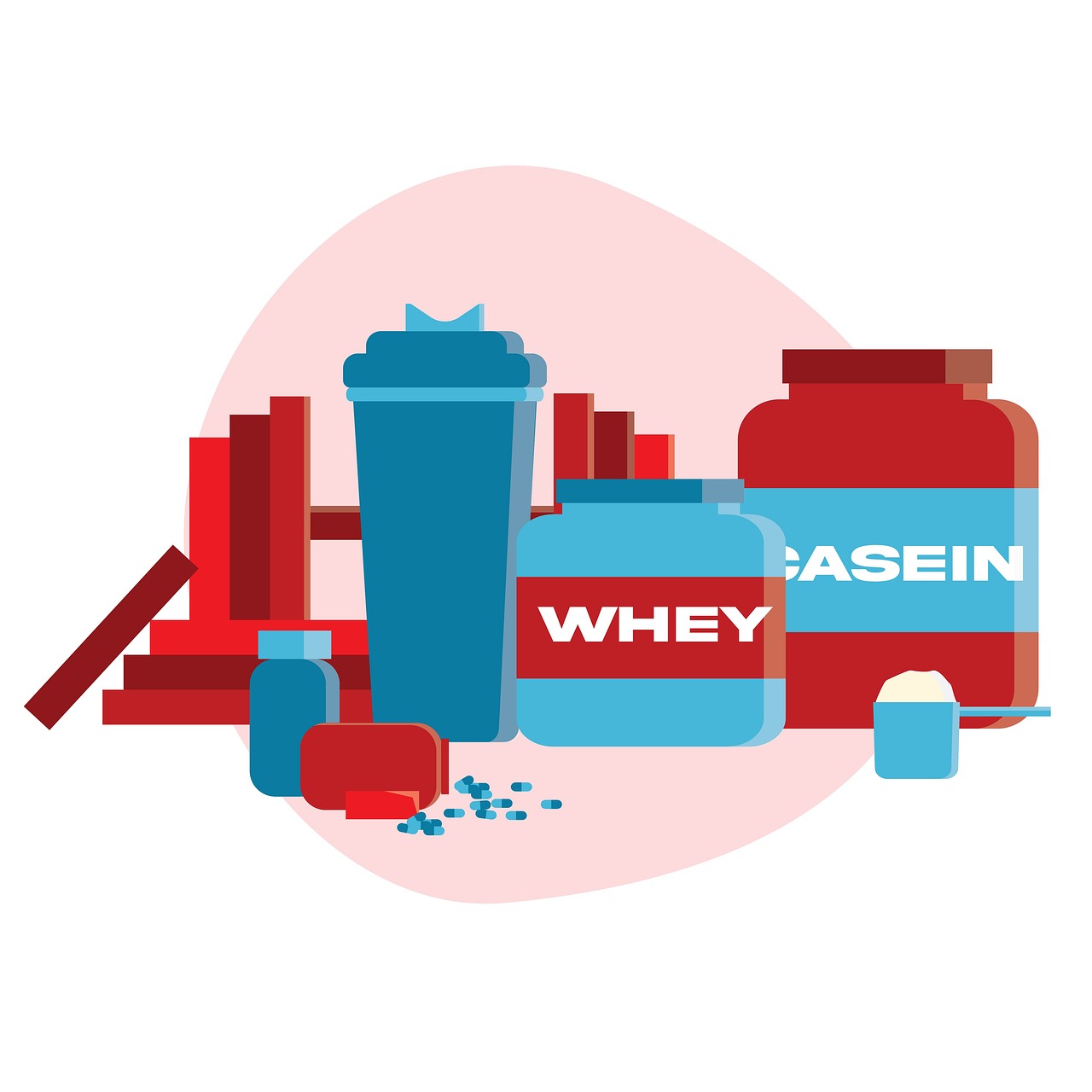

Timing Your Post-HIIT Protein Shakes for Maximum Benefit
High-Intensity Interval Training (HIIT) is an effective workout method increasingly popular for its numerous benefits. Post-workout recovery is critical for maximizing the gains from your HIIT sessions. A well-timed protein shake can significantly enhance recovery and muscle growth while minimizing soreness. Research indicates that consuming protein post-workout aids in muscle repair, reduces recovery time, and helps maintain lean muscle mass. Therefore, understanding the optimal timing of your protein intake is essential. Ideally, protein should be consumed within 30 to 60 minutes after completing your HIIT session. This window is often referred to as the “anabolic window,” during which the muscles are most receptive to nutrients. If you’re unsure what type of protein is best, consider whey protein isolate, casein, or a plant-based alternative depending on dietary preferences. To boost the effectiveness of your post-HIIT shake, consider incorporating carbohydrates as well. Carbs help replenish glycogen stores, enabling quicker recovery for your next workout. Combine your protein with ingredients like bananas, oats, or yogurt for a well-rounded shake that supports your fitness goals. Implement these timing strategies to get the most from your HIIT workouts and recovery process.
The amount of protein you consume in your post-HIIT shake is just as important as timing. Generally, a protein intake of 20 to 30 grams is sufficient for most individuals to kickstart the muscle recovery process. This amount helps in repairing the micro-tears in muscle fibers caused by intense exercise. If you engage in particularly severe HIIT sessions or have higher body weight, you might need to adjust protein intake accordingly. It’s essential to listen to your body’s needs and adjust your nutrition based on how you feel post-exercise. Protein-packed ingredients to consider for your shake include Greek yogurt, protein powder, or nut butter. Additionally, incorporating branched-chain amino acids (BCAAs) can further enhance muscle recovery and growth. These amino acids have been shown to reduce muscle soreness significantly. Remember, the quality of protein matters. Opt for high-quality sources to ensure you’re providing your body with the necessary building blocks for recovery. If you are vegan or vegetarian, look for plant-based protein powders that include a complete amino acid profile. Make informed choices to meet your nutritional and fitness goals effectively.
Importance of Carbohydrates in Recovery
Carbohydrates play a crucial role in the recovery process following a HIIT workout. These macronutrients are vital for replenishing glycogen stores that are depleted during high-intensity exercises. Glycogen serves as the primary energy source for your muscles, particularly during intense workouts. Consuming carbs shortly after your workout can help jumpstart the recovery process, making your post-workout shake even more effective. Aim to include complex carbohydrates like oats, sweet potatoes, or whole-grain bread along with your protein source. This combination enhances glycogen replenishment and sustains energy levels for subsequent workouts. Moreover, including protein and carbohydrates in a 3:1 ratio is considered ideal for optimal muscle recovery. This means for every gram of protein, aim to consume three grams of carbs, ensuring your body has adequate fuel for muscle repair. In addition to aiding recovery, carbohydrates can also positively influence protein metabolism. This interplay means you’ll get the most out of your post-HIIT shake. Combining these components correctly can lead to superior training adaptations over time. Remember to keep your choices balanced for a nutritious recovery.
Hydration is another vital aspect of post-HIIT recovery that often goes overlooked. During intense workouts, your body loses significant fluids through sweat, making it critical to rehydrate promptly. Dehydration can affect your body’s ability to recover, impact performance in future workouts, and lead to increased muscle soreness. Aim to drink water immediately after your workout to replace lost fluids and improve recovery. Consider adding electrolytes or coconut water if you’ve engaged in exceptionally vigorous training sessions. Ingesting these nutrients helps restore the mineral balance in your body. Notably, both sodium and potassium are essential for muscle function and hydration. Including these in your post-workout nutrition can further optimize recovery. It’s beneficial to monitor your urine color as a hydration indicator; a pale yellow suggests adequate hydration, while a darker shade indicates a need for increased fluid intake. By prioritizing hydration alongside macronutrients in your recovery routine, you can significantly boost your recovery rate. Dehydration can have detrimental effects on both performance and overall well-being, particularly after HIIT workouts. Take this element seriously to round out a successful recovery protocol.
Recognizing Individual Needs
Every individual’s body responds differently to training intensity and nutrition. Personalizing your post-HIIT nutrition strategy is key to achieving optimal recovery and performance goals. Factors such as age, sex, body composition, and training intensity can influence how your body utilizes nutrients post-workout. It’s crucial to recognize that what works for one person may not necessarily work for another. Experiment with different protein and carbohydrate amounts in your shakes until you find the most effective ratio for your unique needs. For example, some individuals may require more carbohydrates to fuel recovery, while others may benefit more from additional protein. Listening to your body’s signals and noting how you feel during your next workouts can provide valuable feedback. Additionally, keeping a food diary can help you track your post-HIIT nutrition and how it correlates with your performance. Adjusting your nutrition based on this information will pave the way for maximal gains. Remember, fitness is a personal journey, and tailoring your approach is not only permissible—it’s essential for achieving your specific goals.
Incorporating variety in your post-workout shake can also enhance nutritional value and keep your routine interesting. Mixing different protein sources, such as whey, pea, or hemp, can help you discover what you enjoy most while ensuring diverse nutrient intake. Adding fruits, greens, and healthy fats can elevate the nutritional profile of your shake. Spinach, kale, or avocados provide vitamins and minerals, while nut butter or flaxseeds add healthy fats that support overall health. Varying the ingredients not only maximizes the benefits of your protein shake but also keeps your taste buds satisfied. Consider rotating ingredients regularly for a palette of flavors and nutrition. Smoothie bowls are another exciting way to work in these nutrients, allowing you to top with granola, seeds, or additional fruits. Finding enjoyment in your recovery nutrition can help encourage consistency in a healthy lifestyle. The goal is to create a shake that you genuinely enjoy consuming, as this will improve adherence and overall effectiveness. Balancing flavor and nutrition is achievable and can significantly enhance your post-HIIT recovery experience. Make your recovery a delightful part of your fitness journey.
Conclusion: Sustaining Your Fitness Journey
To conclude, timing your post-HIIT protein shakes is a vital strategy for maximizing recovery and performance. The combined wisdom of protein intake, carbohydrates, hydration, and individualization will set you on a path to success. As you progress in your fitness journey, make an effort to assess your post-workout nutrition continuously. Keeping an eye on not only macro ratios but also emotional satisfaction from your meals contributes significantly to overall wellness. Ensure you’re taking the time to experiment fully with your nutritional options, learning what ingredients yield the best results for you, both physically and mentally. Each workout is an opportunity to not just improve body composition but also to promote healthy lifestyle choices. As such, your approach to post-HIIT recovery will dramatically impact your fitness achievements. Remember that consistency in these practices will yield long-term benefits. Emphasize nutrition during recovery as a priority, and you’ll likely experience superior overall performance. Maintaining a consistent post-workout routine can pave the way for faster recuperation, improved results, and an enjoyable fitness experience. Cherish your wellness journey, and let nutrition work for you in each session.
This concludes our detailed examination of timing post-HIIT nutrition to achieve improved fitness outcomes effectively. May these guidelines assist you in your endeavors.