
Can Weightlifting Replace Cardio? Myths and Facts
Weightlifting often seems to be overshadowed by the popularity of cardio workouts. Many believe that cardio is essential for weight loss and improved heart health. This notion fuels myths surrounding weightlifting. One prevalent myth is that weightlifting cannot provide the same cardiovascular benefits as cardio. However, weightlifting can enhance heart health by raising your heart rate, especially during high-intensity training. Moreover, lifting weights not only aids in losing fat but also creates lean muscle mass, which increases metabolism. This means that you continue burning calories even after your workout. In essence, combining weightlifting and cardio can maximize fitness benefits. This combination enhances overall body composition, allowing individuals to achieve their desired fitness goals more effectively. Rather than viewing weightlifting and cardio as opposing forces, it is vital to understand how both can work together harmoniously. Pursuing a well-rounded fitness routine enables individuals to reap the advantages of both forms of exercise, promoting strength and cardiovascular endurance. It ultimately empowers individuals to construct a personalized workout plan that aligns with their individual lifestyle and fitness aspirations.
When considering the idea of substituting cardio with weightlifting, it’s crucial to unpack various misconceptions associated with fitness regimens. One common belief is that weightlifting is exclusively designed for bodybuilders. In reality, people of all fitness levels can engage in strength training as a means to improve their overall health, strength, and endurance. Weightlifting promotes better bone density and muscle synthesis, which is particularly important as we age. Additionally, it can play a pivotal role in improving insulin sensitivity, thereby reducing the risk of chronic diseases such as diabetes and obesity. Moreover, it’s a versatile option for individuals who may face limitations due to joint issues, as various weightlifting exercises can be adapted for different capabilities. Incorporating weightlifting into your weekly routine does not negate the importance of cardiovascular exercise. Instead, it complements it effectively. Both forms of training have their unique benefits. Participating in diverse workouts can elevate your motivation, challenge your body in new ways, and prevent burnout. Ultimately, creating a balanced approach within your fitness routine is key to long-term success and enjoyment.
Benefits of Weightlifting
Weightlifting boasts numerous benefits that go beyond building muscle mass. Engaging in regular strength training helps increase your body’s resting metabolic rate. This means that even when you are not exercising, your body continues to burn calories more efficiently, aiding in weight management. Another significant benefit is the enhancement of functional strength. Everyday tasks become easier when you’re stronger, and this contributes to a higher quality of life. Improved muscle strength also minimizes the risk of injuries during physical activities, be they related to sports or daily routines. Furthermore, weightlifting can positively influence mental health, reducing symptoms of anxiety and depression. By focusing on these tangible benefits, individuals can realize how invaluable weightlifting can be to their overall wellness. Rather than treating it as merely a tool to sculpt the body, it’s essential to appreciate the comprehensive benefits it provides. Notably, social aspects of weightlifting can also improve mental well-being, as group classes or workout partners foster community and accountability, enriching the exercise experience. Embracing this mindset can empower many to shift their perspectives on health and fitness.
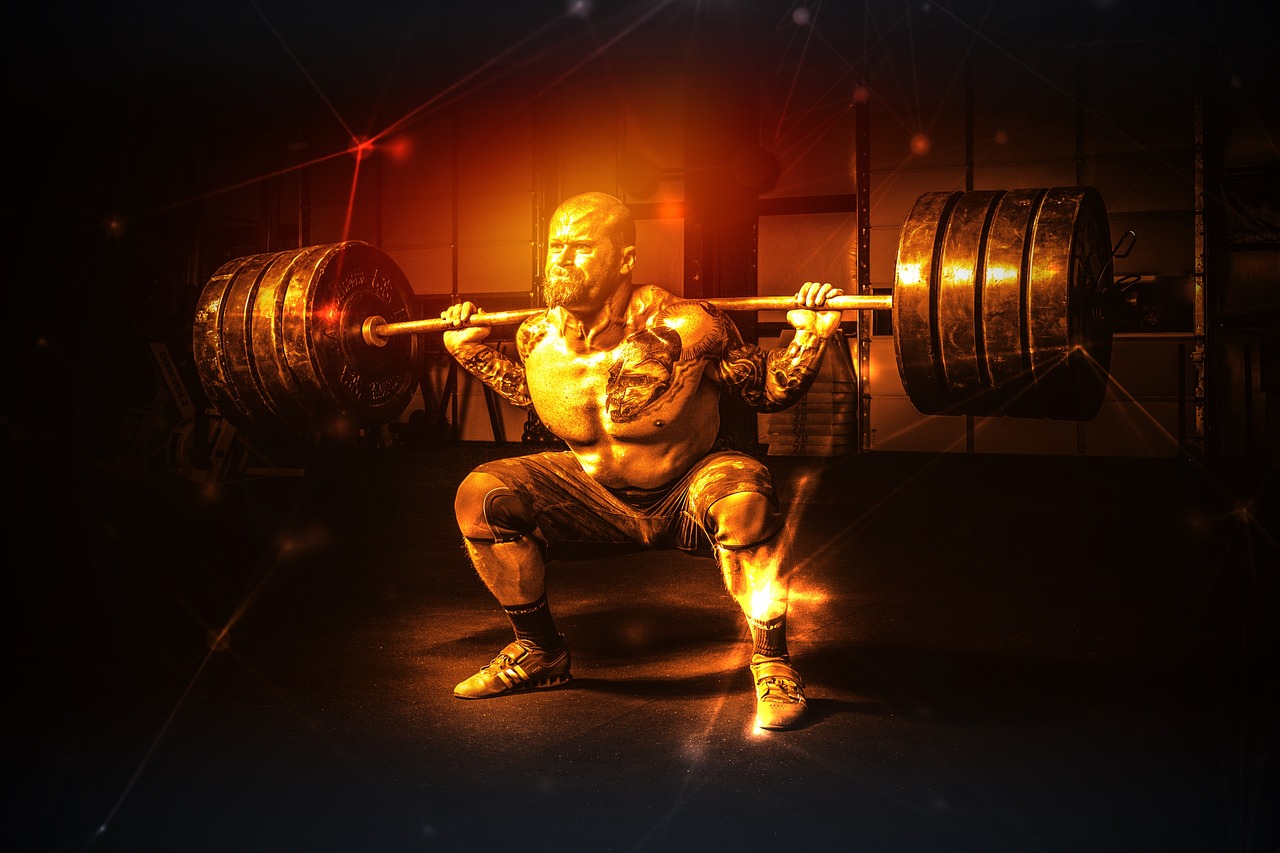
While discussing weightlifting, another myth that surfaces is the idea that weightlifting alone yields no cardiovascular conditioning. This misconception may arise from traditional associations where cardio workouts dominate the fitness landscape. However, modern approaches to weightlifting include circuit training or high-intensity interval training (HIIT), effectively blending strength and cardiovascular fitness. Engaging in these methods can provoke significant increases in heart rate and metabolic output, similar to traditional cardio routines. Many trainers recommend integrating powerlifting techniques or compound movements such as squats and deadlifts to build strength while enhancing cardiovascular fitness. This hybrid approach offers exercise enthusiasts a fresh alternative to monotonous cardio routines. Instead of merely running on a treadmill or cycling for extended durations, an interval-weightlifting program challenges the cardiovascular system while also promoting muscle growth. By making these strategic modifications, individuals can benefit from the best of both worlds during their workouts. To cultivate an effective routine that incorporates both elements, it’s vital to seek professional guidance, if necessary, so as to create a balanced and sustainably engaging plan.
The Role of Recovery
Another essential aspect to discuss in the context of weightlifting’s relationship with cardio is recovery. Recovery time between workouts often gets overlooked but plays a vital role in performance and overall fitness. During weightlifting, especially when performing high-intensity workouts, muscles experience microtears that require time to heal. Adequate rest and recovery not only help muscles rebuild stronger but also incrementally improve performance in both strength and cardiovascular exercises. This process underscores the importance of listening to your body and structuring workouts to allow for recovery. Insufficient rest can lead to fatigue, decreased performance, and even injuries, which highlight the delicate balance in any fitness regimen. Many experts suggest incorporating ‘active recovery’ days filled with light cardio or low-impact activities, ensuring that individuals maintain an active lifestyle while allowing muscle repair. Developing a routine that integrates both weightlifting and cardio along with recovery can lead to tremendous fitness results. Therefore, a strategy that incorporates varied elements of fitness while respecting your body’s need for recovery enhances overall workout efficiency and satisfaction.
In addressing weightlifting and cardio, another popular myth revolves around the belief that lifting heavy weights leads to unwanted bulkiness. This perception can deter individuals, particularly women, from participating in weightlifting activities. However, the reality is that achieving a bulky physique requires a combination of genetics, diet, and intense training regimes over long periods. For most people, especially those new to lifting, the primary outcomes are muscle toning, strength gains, and improved stamina. Body composition truly depends on the balance among exercise, nutrition, and individual goals. Weightlifting can enhance overall aesthetics, offering a leaner look by promoting muscle growth while reducing body fat percentage through targeted workouts. Furthermore, muscle development plays a significant role in enhancing one’s metabolic rate, further assisting in reaching and maintaining desired body weight. Effective weightlifting programs can be tailored to meet individual preferences, fostering enjoyable workouts that cater to one’s unique fitness aspirations. Ultimately, understanding this reality can empower individuals to embrace weightlifting and all its benefits, thereby fostering a positive environment toward fitness.
Conclusion: A Balanced Approach
In conclusion, the notion that weightlifting could entirely replace cardio is rooted in misconceptions that need clarification. Both weightlifting and cardio contribute to comprehensive fitness, offering unique benefits for health and wellness. Adopting a balanced approach that includes both forms of exercise not only optimizes physical results but enriches the exercise experience. Understanding the particular advantages of training techniques, such as enhancing cardiovascular health, boosting metabolism, or improving muscle endurance, can significantly shift one’s perspective on exercise. Additionally, recognizing the impact of functional strength and mental well-being can further endorse weightlifting as a crucial component of a holistic fitness routine. It’s important to personalize fitness plans, making informed decisions that align with individual values and aspirations. Adjusting workouts according to personal preferences ensures sustainability and enjoyment, leading to long-term adherence. Ultimately, whether it involves lifting weights or performing cardio, the key is to find what works best for you. By incorporating various forms of exercise into your routine, you cultivate a lifestyle that supports overall wellness, encouraging a positive relationship with fitness.
For visual learners, it’s crucial to explore the myriad resources available online. Many platforms and instructors provide video demonstrations and tutorials on such exercises, showcasing their benefits. Engaging with community forums can also offer valuable insights and share personal experiences that resonate strongly with others. Therefore, individuals should feel empowered to explore options and tailor their workouts to fit personal preferences, goals, and lifestyles. The combination of weightlifting and cardio can also promote diverse training experiences, enhancing motivation while maximizing physical outcomes. By constantly challenging the body, fitness enthusiasts can make ongoing progress toward personal goals. This evolution highlights the beauty of fitness as a lifelong journey filled with growth, challenges, and accomplishments that enrich overall well-being. Individuals are encouraged to remain patient, disciplined, and flexible throughout their fitness journey, adapting to changes and seeking support as needed. The ultimate objective is to create a balanced and sustainable routine that aligns with personal fitness aspirations. Emphasizing individuality within a workout philosophy empowers all fitness enthusiasts to forge their own paths while embracing the health benefits associated with both weightlifting and cardio.