
The Importance of Core Strength in Pilates Practice
Core strength is integral to a successful Pilates practice. Awareness of the core allows practitioners to execute movements with precision and control. It refers to the abdominal, back, and pelvic muscles, working together to stabilize the spine and pelvis. Proper engagement of these muscles supports overall body alignment. Without a strong core, performing Pilates exercises could lead to injury or improper mechanics. Focusing on core stability not only improves physical strength but also enhances breathing and coordination. By developing core strength, individuals experience benefits in daily activities, such as lifting, twisting, and bending. Furthermore, a solid core supports balance, necessary for maintaining good body posture. This foundation makes executing movements within Pilates routines much easier. A strong core is particularly vital for advanced Pilates movements, which often require enhanced stability and strength. Ultimately, cultivating core strength contributes to overall fitness and wellness. Practitioners are encouraged to engage in exercises targeting these muscles during classes. By emphasizing core work within sessions, practitioners notice improved functionality. As a result, they can achieve greater effectiveness and maximize their efforts in each Pilates workout.
One of the significant advantages of developing core strength through Pilates is injury prevention. Strengthening these muscle groups provides stability to the spine, minimizing the risk of back pain or injury during daily activities. A robust core acts as a protective barrier for internal organs and supports the entire body structure. Those who regularly engage in Pilates often report fewer injuries compared to sedentary individuals. Through this practice, participants learn to stabilize their movements and use their strength effectively. This enhanced body awareness is crucial in preventing injuries not only during workouts but also during any physical activity outside of Pilates. Furthermore, increased core strength can lead to improved athletic performance. Athletes benefit significantly from a solid core, as it enhances power and control in various sports. By integrating Pilates exercises focused on core strength, athletes improve their competitive edge. Individuals from various physical backgrounds are discovering Pilates as a way to enhance their core. As athletes increase their power in competitions, they also experience more robust recovery times. The body becomes better equipped to recover faster from exertion, leading to a balanced fitness regimen.
Core Exercises in Pilates
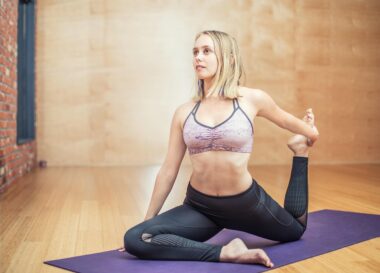
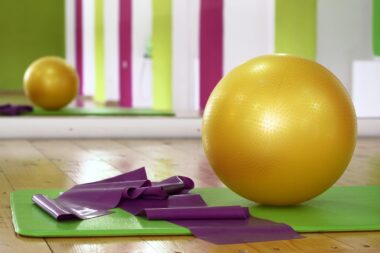
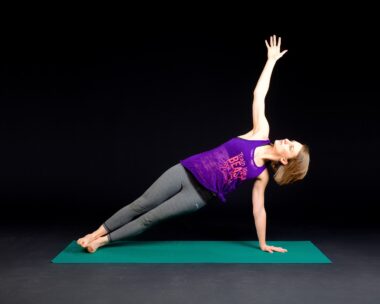
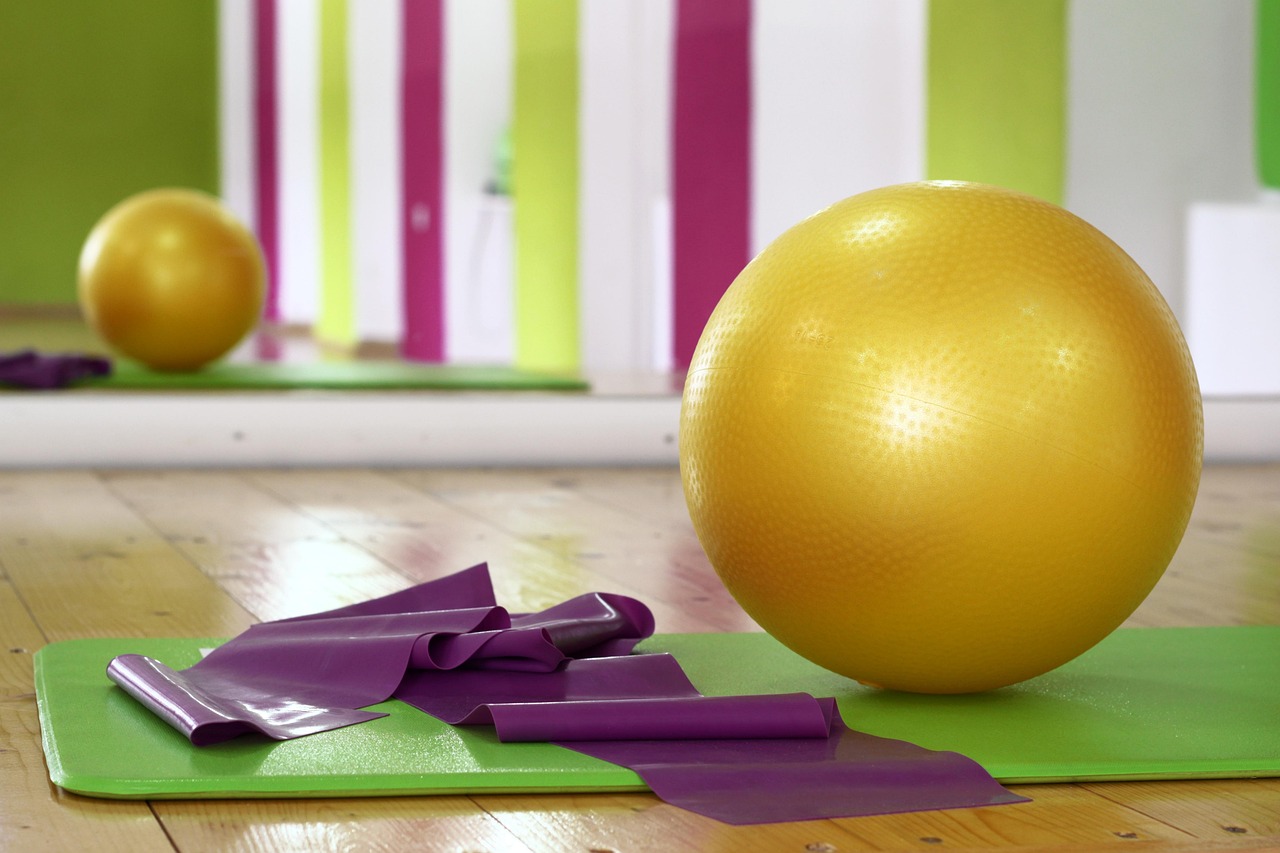
Several Pilates exercises primarily target core strength. These movements focus on stabilizing and controlling the body’s center of gravity. Classics like the Plank, Teaser, and the Hundred challenge musculature while emphasizing breath control. For instance, the Plank not only builds abdominal strength but also improves shoulder stability and endurance. Each of these exercises can be modified to suit all fitness levels, making Pilates accessible to everyone. The beauty of Pilates is its adaptability; individuals can begin with basic variations and progress as their strength improves. Practitioners should strive to maintain proper form throughout the exercises to maximize efficiency. Engaging in classes led by certified instructors can further optimize results, as they guide participants through proper techniques. As participants advance, they might explore more challenging positions and sequences, enhancing their core development even further. Additionally, the incorporation of equipment, such as the Reformer or stability ball, can also provide further challenges. Incorporating diverse movements promotes the engagement of various muscle groups while keeping sessions exciting. As a result, participants develop a strong foundation to elevate their practice and daily functional movements.
Building core strength can lead to enhanced flexibility, another essential benefit gained through Pilates. The core is a central part of the body that connects upper and lower body movements. When core stability is developed, flexibility improves as the body learns to move more harmoniously. Enhanced flexibility supports better posture, increases overall mobility, and reduces stiffness in the joints. Through regular practice, individuals notice an increase in their range of motion, which can positively impact fitness levels. As strength and flexibility improve together, practitioners experience a more balanced and composed body. Incorporating stretching within Pilates sessions complements core exercises, providing complete body conditioning. Targeting tight muscles while strengthening the core allows for a more satisfying and dynamic workout. This synergy leads to greater body awareness, a critical aspect of performing movements safely and effectively. As core strength continues to build, participants feel more confident executing daily tasks. A stronger core facilitates easier movement patterns, contributing to a more active lifestyle. This holistic approach reinforces the relevance of balance between strength and flexibility, encouraging long-term engagement in Pilates. Thus, core strength development is vital for both physical and mental well-being.
Mind-Body Connection
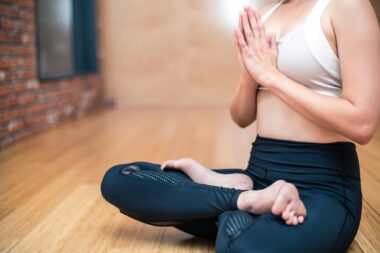
The importance of the mind-body connection in Pilates should not be underestimated. Core strength development hinges on not only muscle engagement but also awareness and concentration. Practicing mindfulness during Pilates makes it more than just a physical workout; it becomes a holistic experience. Participants learn to tune into their bodies, which helps them become more aware of their strengths and weaknesses. This heightened awareness significantly influences how they engage their core during exercises. By focusing on connections between breath, movement, and intention, individuals cultivate a deeper understanding of their bodies. This connection leads to more effective workouts and improved core strength outcomes. Also, mindfulness helps participants push through challenging moments during exercises, fostering resilience. Enhancing this mental aspect can also yield emotional benefits, such as reduced stress and increased relaxation. Grounding oneself in the present moment during practice promotes a sense of peace and balance, essential aspects of well-being. Emphasizing this connection within Pilates is vital in achieving fitness goals. As mind-body awareness deepens, we discover the profound impact it can have on overall health and personal growth.
To maximize the benefits of Pilates for core strength, practitioners should vary their routines. Consistency is key; regularly committing to a Pilates practice ensures gradual improvement. However, incorporating different formats, such as mat classes, reformer classes, and home workouts, helps maintain variety in training. Trying new exercises and formats prevents boredom and promotes continued engagement. Additionally, varying repetition and intensity levels challenges the body in unique ways, contributing to increased core strength. Not only does this variety assist in muscle development, but it also addresses muscle imbalances that may arise from repetitive movements. Staying attuned to the body’s feedback during different exercises can clarify which areas need more focus. Setting specific goals related to core strength can also be motivating. Whether aiming to improve endurance, stability, or flexibility, establishing targets provides a sense of direction. Monitoring progress through workouts leads to greater awareness of personal achievements over time. As individuals adjust their routines, they should remain mindful of technique and form to minimize injury risk. Ultimately, sustaining motivation and curiosity through variety is crucial for anyone seeking to enhance their core strength in Pilates practices.
Conclusion: Embrace Core Strength in Pilates
In conclusion, core strength plays a vital role in a successful Pilates practice. Embracing the benefits of core strength goes beyond the Pilates studio, extending into daily life activities. By cultivating core strength, practitioners experience greater physical durability and stability. The connections between core strength, flexibility, and overall fitness create a solid foundation for achieving personal wellness goals. Engaging in a regular Pilates practice fosters resilience, increased mindfulness, and general health. Participants should prioritize core strength, consistently integrating it into their workout routines. Moreover, exploring various core-focused exercises keeps practice fresh and motivating. By varying routines and maintaining consistency, individuals unlock their potential through Pilates. Additionally, a focus on the mind-body connection enhances the overall experience, reaffirming the essence of holistic wellness. As practitioners build a solid core, they foster a more balanced approach to overall fitness. Embracing core strength ultimately empowers individuals to achieve their wellness aspirations, both in and out of the studio. Therefore, investing time in core strength through Pilates is undoubtedly worthwhile. It’s a life-changing decision that enhances strength, flexibility, and overall well-being.