
Choosing the Right Pilates Equipment for Your Body Shape
Understanding your body shape is crucial when selecting the right Pilates equipment. Different body types may require tailored equipment or modifications during sessions to maximize efficacy. For instance, if you have a pear-shaped body, you may benefit from modifications that target hip and leg strength, ensuring balanced workouts. Opting for equipment allows for adjustments can make a significant difference. Popular accessories include Pilates mats, reformers, and stability balls. These items enhance versatility and help modify exercises according to your individual needs. When starting, consider your fitness level and any physical limitations you may have. Consult a Pilates instructor who understands different body types and can provide personalized advice based on your goals. Additionally, focusing on core stability is essential for all body shapes. Choose equipment that promotes proper alignment and accessibility, regardless of your starting point. Each tool can widen your range of motion while supporting your body in gentle yet transformative ways. When you add proper instruction from a knowledgeable trainer, you can maximize results and enjoy a more productive Pilates experience.
Equipment for Each Body Type
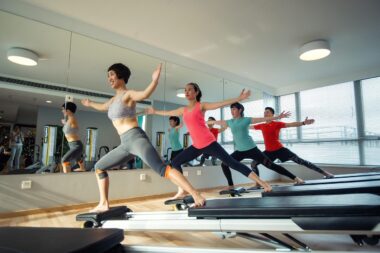
Choosing Pilates equipment tailored for your body shape can significantly enhance your practice. For apple-shaped bodies, focusing on reformers is advisable. Reformers enhance stability, allowing for better focus on core strength while minimizing excess strain on joints. Another great option is the Pilates ring, which helps engage different muscle groups, promoting overall balance. If you identify with a rectangle body type, incorporating the balance ball can add variations to standard exercises. This tool increases the challenge while ensuring a full-body workout. Additionally, the foam roller is excellent for all body types; it enhances flexibility while promoting muscle recovery. For women with hourglass figures, the reformer can help with strength and flexibility, especially in areas like the hips and waist. Leveraging springs on the reformer can create resistance tailored to strengths and weaknesses. Overall, understanding how each piece of equipment responds to your body’s curves expands the effectiveness of your workouts. As you begin this journey, keep an open mind and experiment with different tools to discover what feels best. Remember, Pilates is about personal growth and exploration, meeting your body where it is.
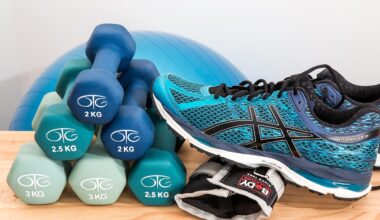
Understanding how to select equipment is essential for all types. One of the best pieces to have on hand is a quality Pilates mat. It offers the right cushioning for all exercises and is crucial for floor routines. Additionally, for those looking to build upper body strength, consider using resistance bands. These are easily adjustable and can be utilized for various exercises tailored to your body type. Resistance bands suit any practitioner and encourage muscle engagement during both low and high-intensity workouts. Next, for those needing to focus on posture, adding a stability ball to your collection can significantly improve balance. It’s also a fun tool to incorporate into your routine. As you continue, do not overlook the importance of cushioning and comfort in your tools. Both can enhance your experience and encourage you to practice more frequently. Lastly, it’s vital to have a dedicated space for your equipment. Having a designated workout area promotes a consistent Pilates schedule. Consider using storage solutions specifically designed for exercise tools. This organization encourages a more inviting environment while bringing your body closer to its fullest potential in Pilates.
Combining Equipment for Maximum Effect
Combining various pieces of equipment can yield impressive results in Pilates sessions. Experimenting with tools allows you to maintain interest and intensity, ultimately leading to improved overall fitness levels. For example, you might start with the reformer for strength training and then switch to a balance ball for core-focused exercises. This variation helps prevent plateaus and keeps your muscles engaged. However, always consult your trainer to ensure you make informed choices. By varying your sessions, you promote strength in different areas simultaneously without overexerting yourself. Balance is essential! When using multiple pieces, focus on transitioning smoothly between them. Switching from the mat to the springboard, for instance, should feel seamless; it’s not just about the tools, but the flow of the workout. Additionally, consider using equipment that encourages stabilizing actions to enhance muscle engagement. Incorporating dual pieces like a stability ball with resistance bands presents an exciting challenge. This combination can help enhance coordination and muscle endurance. Evaluate how your body responds and adjust parameters accordingly; this fluidity just might lead to surprising breakthroughs in your practice, encouraging better alignment and more effective sessions.
The Role of Instruction
In the journey of Pilates, skilled instruction plays an integral role, especially when considering equipment selection for various body types. A qualified instructor understands how each piece of equipment interacts with a body’s unique structure. They can guide you towards the right tools while providing appropriate modifications for comfort. Regular sessions with a knowledgeable trainer result in heightened awareness and tactical adjustments that lead to better progress. Additionally, consider taking group classes. Community settings are great for motivation and shared learning. With experienced instructors, you can observe others and gain insights into effective techniques. Watching how others utilize equipment can instill creativity in your own practice. Safety should always be your priority when learning new routines. Always ask questions; instructors appreciate engaged students eager to learn. Proper understanding reduces the risk of injury and enhances outcomes. Furthermore, embracing feedback will only lead to more effective results. Inquire about common mistakes and how to avoid them when using equipment. This attention will elevate your practice and ensure enhancements aren’t just focused on strength but on a comprehensive development of your Pilates journey.
Your mindset plays a vital role in how you choose to approach Pilates. Understanding your body type influences not just equipment choices but also how you perceive challenges. Embracing strengths while acknowledging limitations fosters a healthier practice. Remind yourself that Pilates is inherently adaptive, making it suitable for anyone willing to embrace the journey. By approaching your workouts with curiosity and openness, you’ll naturally gravitate towards the equipment that serves you best. Engage with communities or forums, both online and offline, to discuss your experiences and seek advice. Connecting with others who understand similar challenges can motivate you further, creating a supportive environment. Affirmations help develop a positive mindset towards the practice. Set intentions for your sessions, prompting mindfulness throughout each class. Additionally, consider setting small, achievable goals as you experiment with different pieces of equipment. Celebrate each victory, no matter how minor it feels, as it contributes significantly to your overall journey in Pilates. Celebrate progress, and soon enough, your array of tools will reflect a well-rounded practice that promotes not just complete fitness but overall well-being and self-acceptance. Your body is your best guide.
Finally, maintaining a consistent Pilates practice will significantly contribute to your progress over time. As you learn to navigate equipment suited for your body type, it’s crucial to stay dedicated to your sessions. Strive for consistency in your routine to establish muscle memory and strength. Allocate specific days for Pilates to create a habit that integrates seamlessly into your lifestyle. Tracking your progress through journals or fitness apps can lend visibility to goals, encouraging focus and commitment. Document your experiences using each piece of equipment and note the changes you observe in your body. This reflection fosters motivation and deepens the connection with your practice. Moreover, as you become accustomed to various tools, you’ll intuitively know when it’s time to challenge yourself with new movements. Gradually incorporating advanced techniques will further enhance your skill set while preventing stagnation. Keep the process enjoyable; the physical transformations will come naturally. Most importantly, remember that Pilates is a lifetime practice. Honor your body’s rhythms and adjust your approach as needed, celebrating the journey that accompanies your evolving perspective on health and well-being.