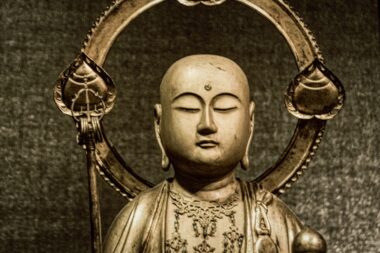

Understanding Suffering in Yoga Philosophy
Yoga philosophy offers profound insights into human suffering and pathways toward liberation. Central to this philosophy is the concept of *dukkha*, which translates to suffering or dissatisfaction. Originating from the teachings of the Buddha, this notion explains that suffering is an inherent part of existence. There are various causes of *dukkha*, such as attachment, ignorance, and clinging to transient pleasures. Such understanding prompts practitioners to reflect on their lives and the sources of their unhappiness. By recognizing how attachment to material possessions, relationships, or even beliefs leads to suffering, individuals can start to detach from these sources. Yoga practices, including meditation and mindfulness, cultivate an awareness that assists in managing this suffering. The goal is not to eliminate suffering abruptly; rather, it’s about changing one’s relationship with it. This philosophical shift can ultimately lead to liberation, a key aspect of yoga practice, as it encourages a compassionate view toward oneself and others. Through self-awareness and commitment, practitioners can gradually move towards contentment, ultimately helping them achieve *moksha*, or spiritual liberation, a significant aim in yoga. Embracing these teachings can transform suffering into a stepping stone toward inner peace.
In the search for liberation, yoga philosophy introduces various techniques that pave the way for overcoming suffering and achieving *moksha*. A fundamental aspect of this is the practice of the **Eight Limbs of Yoga**, outlined by Patanjali in the *Yoga Sutras*. These limbs, which encompass ethical standards, physical practices, and meditation techniques, offer a comprehensive approach to personal and spiritual growth. The first two limbs, *Yama* and *Niyama*, emphasize ethical behavior and personal observances that lay the foundation for a harmonious life. Practicing these principles guides individuals to cultivate a more profound sense of self-awareness and responsibility toward others. As practitioners engage in these ethical disciplines, the weight of suffering diminishes, fostering a natural path toward transcendence. The subsequent limbs involve posture (*Asana*), breath control (*Pranayama*), sensory withdrawal (*Pratyahara*), concentration (*Dharana*), meditation (*Dhyana*), and finally, *Samadhi*, or the blissful state of oneness. Through dedication to these practices, an individual cultivates the inner strength necessary to confront and transcend their suffering, ultimately attaining liberation. Thus, yoga philosophy provides practitioners with a transformative framework to navigate life’s challenges.
The Role of Meditation in Addressing Suffering
Meditation, a crucial component of yoga philosophy, plays an essential role in alleviating suffering and facilitating liberation. The practice of meditation instills mindfulness and awareness, allowing individuals to observe their thoughts and emotions without judgment. This observational quality is vital in uncovering the roots of suffering, as it encourages practitioners to recognize patterns of attachment and aversion that contribute to their distress. Over time, consistent meditation enables a deeper understanding of the transient nature of thoughts, reducing the tendency to cling to negative experiences. Furthermore, meditation cultivates a sense of inner peace that can counteract the turbulence caused by external circumstances. By offering a sanctuary for self-reflection, individuals learn to let go of the mental burdens that perpetuate suffering. This process of self-discovery is instrumental in redefining one’s relationship with pain and discomfort. As practitioners move towards acceptance, they find that liberation is not about escaping suffering but embracing it as a part of life’s journey. With dedication to a regular meditation practice, the path to liberation becomes more accessible, guiding individuals toward an enlightened state of consciousness and deeper connection with self and others.
Yoga philosophy also emphasizes the importance of community (or *sangha*) in addressing suffering and enhancing the journey toward liberation. Engaging with like-minded individuals fosters a supportive environment that nurtures personal growth and collective healing. This community aspect promotes shared experiences, allowing individuals to gain insights from one another’s struggles and triumphs. The sense of belonging within a community can significantly alleviate feelings of isolation often associated with suffering. In a supportive framework, individuals can share challenges and derive strength from collective wisdom. Group practices, whether in yoga classes or meditation circles, enhance the sense of unity and connection, reinforcing the understanding that all beings experience suffering. Additionally, communities can provide encouragement and motivation to persist in individual practices, serving as powerful reminders of the shared journey toward liberation. The bonds formed within a *sangha* can foster an environment of compassion and understanding, thereby enriching the spiritual practice. By surrounding oneself with a supportive community, one can more easily overcome hurdles in their quest for inner peace and liberation, making it an essential aspect of yoga philosophy’s approach to suffering.
The Power of Self-Inquiry in Liberation
Self-inquiry is another vital practice within yoga philosophy that aids in addressing suffering and pursuing liberation. Inspired by ancient texts, self-inquiry involves examining the nature of the self and understanding personal motivations and beliefs. This technique empowers practitioners to delve into the depths of their existence, raising questions such as, “Who am I?” and “What are the sources of my suffering?” By engaging in self-inquiry, individuals can begin to unravel the layers of conditioning that contribute to their pain and dissatisfaction. This process fosters self-awareness, allowing practitioners to confront the false narratives they may hold about themselves and their experiences. Moreover, appreciating the impermanent nature of self can ease the grip of suffering, creating space for acceptance and detachment. As practitioners deepen their understanding of their intrinsic essence, they begin to realize the interconnectedness of all beings. Such insights can be profoundly liberating, fostering compassion for both oneself and others. Ultimately, self-inquiry paves the way for awakening, facilitating the transcendence of suffering. By embracing this practice, individuals can attain a more authentic and fulfilling life, aligned with the fundamental truths of yoga philosophy.
In addition to self-inquiry, yoga philosophy incorporates the principle of *detachment* (or *vairagya*) as a means to address suffering. In a world often dictated by desires and attachments, learning to cultivate detachment is essential for attaining liberation. This doesn’t imply a rejection of worldly experiences but rather an understanding of their transient nature. Through the practice of detachment, individuals learn to engage with life fully without clinging to outcomes. This shift in perspective can significantly reduce suffering, as expectations and attachments often lead to disappointment and frustration. Yoga teaches that when one can approach life with an open heart and a willingness to accept whatever arises, a natural flow of peace emerges. Detachment enables practitioners to navigate life’s ups and downs with grace, transforming suffering into an opportunity for growth and understanding. By embodying this principle, one becomes less reactive to external situations. Instead, they cultivate responses grounded in awareness and wisdom. Thus, detachment is not about renunciation but about embracing life passionately while remaining free from its binding chains, ultimately leading toward liberation. It is a critical concept in realizing the yogic goal of harmony and self-realization.
The Journey Towards Liberation
The journey towards liberation within yoga philosophy is complex yet profoundly rewarding. It involves integrating various practices and principles that address suffering, ultimately leading to a profound transformation of the self. This journey is not linear; it is filled with challenges, insights, and revelations that deepen one’s understanding of existence. Practitioners often encounter setbacks, doubts, and moments of despair along the way. However, embracing these challenges as part of the journey can foster resilience and strength. The key lies in maintaining a consistent practice of self-reflection, meditation, and ethical living, as outlined in yoga’s Eight Limbs. Each step taken towards understanding one’s suffering is a step closer to liberation, revealing the interconnectedness of life and the universal nature of suffering. As individuals cultivate awareness through these practices, they begin to experience moments of clarity, insight, and connection that ultimately guide them toward liberation. The culmination of this journey is the realization of **oneness**, a core teaching within yoga philosophy where individuals transcend the illusion of separateness. Through committed practice, the path to liberation unfolds, inviting practitioners to embrace their authentic nature and live harmoniously.
Ultimately, yoga philosophy offers profound teachings on the interrelated nature of suffering and liberation, emphasizing the transformative power of conscious living. The understanding that suffering is integral to the human experience encourages practitioners to approach their circumstances with openness and compassion. Engaging wholeheartedly with practices such as meditation, self-inquiry, and ethical living fosters resilience and enhances self-awareness. As individuals navigate their unique paths within the framework of yoga philosophy, they acquire valuable tools to confront suffering and release attachment. This holistic approach empowers practitioners to find meaning in their experiences while embracing the journey toward liberation. The teachings of yoga urge individuals to cultivate a deeper relationship with themselves and a heightened sense of empathy toward others. In this process, the concepts of suffering and liberation become intertwined, where one informs the other. As individuals learn to transform their suffering into lessons of growth, they move toward a state of *moksha*, wherein they experience true freedom. Ultimately, yoga philosophy serves as a guiding light, illuminating the path for those seeking to understand their suffering and realize their innate potential for liberation.