
Understanding Spinal Degeneration and Prevention Strategies
Spinal degeneration is a significant concern as individuals age, impacting movement and overall well-being. This process involves the gradual deterioration of spinal structures, including discs, joints, and ligaments. Various factors contribute to spinal degeneration, such as genetics, lifestyle choices, and the cumulative effects of daily activities. Sedentary lifestyles, poor posture, and lack of exercise exacerbate this condition, leading to discomfort and mobility issues. Recognizing early signs like stiffness or reduced flexibility is crucial for seeking timely intervention. Individuals must prioritize spinal health through preventative strategies aimed at preserving posture and enhancing structural integrity. Effective prevention begins with posture correction, physical activity, and ergonomic practices. Regular exercise strengthens the muscles supporting the spine and improves overall physical fitness. Furthermore, understanding the body’s biomechanics can minimize unnecessary strain during daily activities. Comprehensive approaches to spinal health involve tailored exercise programs along with awareness of movement techniques. Incorporating strength training, flexibility exercises, and posture awareness not only aids in mitigating spinal degeneration but promotes a healthier, more resilient aging process.
Failure to address spinal degeneration can lead to debilitating conditions like chronic pain, functional limitations, and decreased quality of life. Consequently, individuals must undergo regular evaluations and actively employ strategies promoting spinal health. Preventative care may include seeking guidance from healthcare professionals, such as physiotherapists, who specialize in rehabilitation and posture correction. Additionally, incorporating ergonomic adjustments in daily routines significantly reduces strain on the spine. Simple changes, such as adjusting chair height, screen position, and workstations, can enhance overall comfort and reduce the risk of degeneration. Specific exercises targeting core stability, flexibility, and posture alignment play a pivotal role in spinal health. Engaging in activities such as yoga, Pilates, or swimming can improve posture, relieve tension, and strengthen spinal support muscles. Maintaining a healthy weight also alleviates added pressure on the spine, promoting optimal function. Ultimately, education regarding healthy movement patterns, combined with lifestyle modifications, creates a foundation for preventing spinal degeneration. Integrating these approaches empowers individuals to take control of their spinal health, ensuring their mobility and independence are preserved as they age.
Understanding Spinal Anatomy and its Function
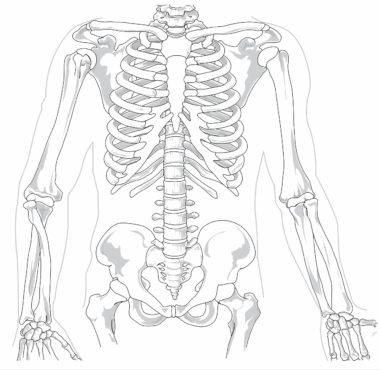
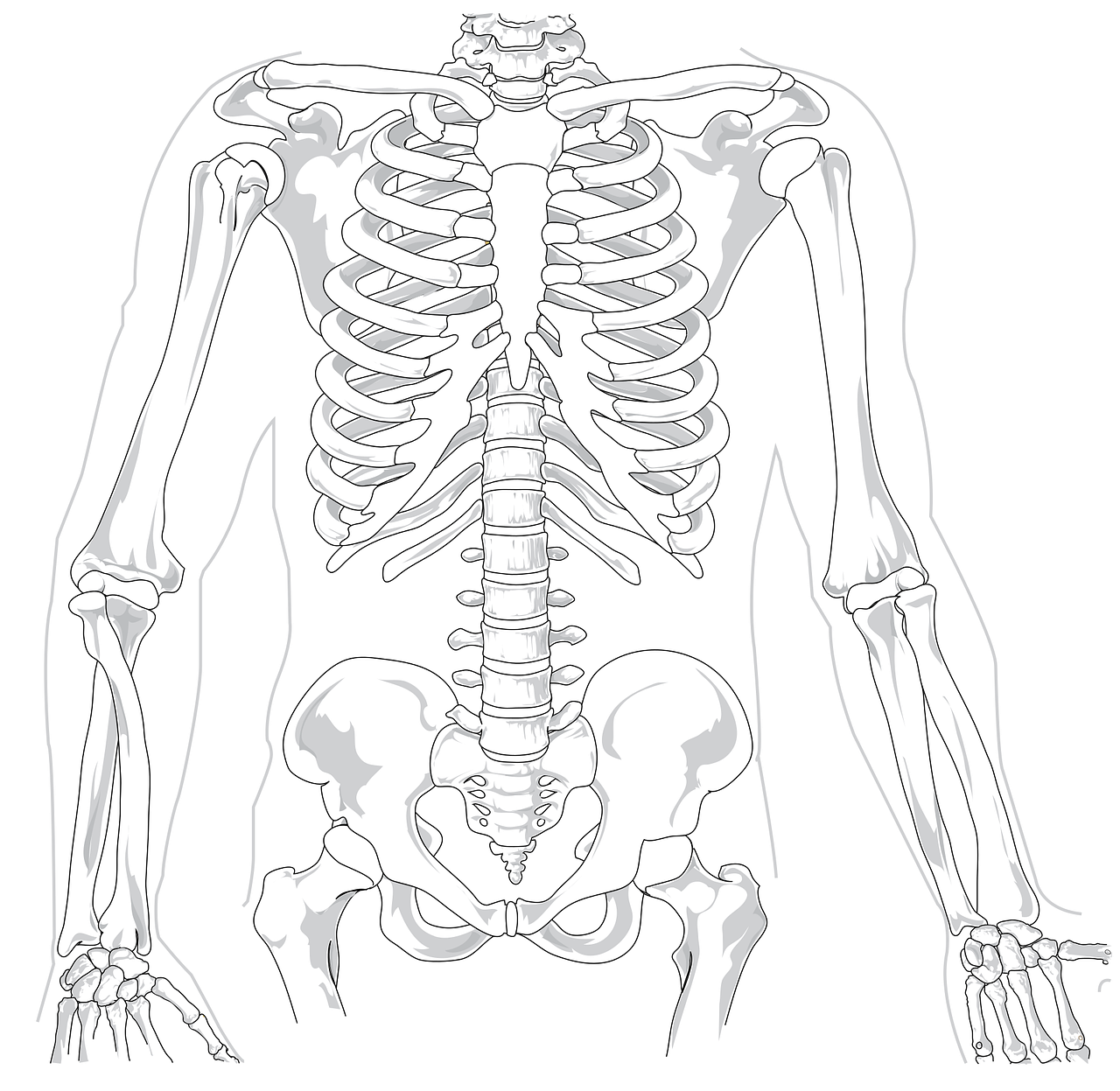
A comprehensive understanding of spinal anatomy is essential in combating degeneration and promoting health. The spine consists of multiple segments, each with distinct roles and functions. Key components include vertebrae, intervertebral discs, spinal nerves, and surrounding muscles. Each vertebra serves to protect the spinal cord while allowing for flexibility and movement. Intervertebral discs act as shock absorbers, cushioning the vertebrae and maintaining proper alignment. When degeneration occurs, these discs can lose hydration and elasticity, leading to complications such as herniation or reduced disc height. Furthermore, spinal nerves transmit signals between the brain and body, essential for coordinated movement and sensory perception. Discomfort or nerve compression due to degeneration can result in pain, tingling, or weakness in extremities. Understanding the interconnectedness of these structures aids in recognizing the symptoms and effective preventative strategies necessary for healthy spinal maintenance. Identifying potential risk factors like age-related changes or occupational hazards also enhances proactive measures. A holistic approach incorporating anatomy knowledge with strength training fosters awareness, leading to improved spinal function and enhanced quality of life for seniors.
Incorporating physiotherapy and chiropractic care into spinal health plans can facilitate recovery and maintenance. Both professionals utilize unique techniques to assess, diagnose, and treat spinal issues. Physiotherapists focus on rehabilitation through customized exercise programs designed to strengthen supportive musculature while correcting posture and alleviating pain. Conversely, chiropractors primarily utilize manual adjustments to realign the spine, promote mobility, and reduce nerve interference. Collaborative care between these professionals enhances treatment outcomes, addressing spinal degeneration holistically. Alongside traditional therapies, alternative modalities, such as acupuncture, can be incorporated for comprehensive pain management. Many individuals benefit from integrative approaches, as combining therapies yields better results than singular treatment options. Recognition of individual limitations and progression can direct tailored treatment plans, ensuring optimal recovery and strengthening. Additionally, patient education about maintaining spinal health is integral to long-term success. Knowledge of the correct lifting techniques, ergonomic practices, and preventive exercises empowers individuals to manage their health. Lifelong education, coupled with professional support, establishes a solid foundation for effective management, promoting independence and mobility. Ultimately, proactive strategies lead to improved spinal health and lasting wellness throughout the aging process.
Lifestyle Modifications for a Healthy Spine
Implementing lifestyle modifications is key to supporting spinal health and preventing degeneration. Diet plays a crucial role in maintaining a healthy weight and providing essential nutrients required for bone and muscle function. Adequate calcium and vitamin D intake strengthens bones, minimizing the likelihood of fractures or degeneration. Consuming anti-inflammatory foods, such as fruits, vegetables, and omega-3 fatty acids, can further support spinal health by reducing inflammation and promoting healing. Furthermore, hydration is often overlooked, yet provides vital lubrication for spinal structures, contributing to overall mobility. Regular physical activity is indispensable, as it strengthens muscles that support the spine while enhancing flexibility and posture. Furthermore, incorporating restorative practices such as deep breathing and mindfulness can alleviate stress, subsequently reducing muscle tension in the back. Engaging in activities that promote good posture, such as mindful sitting and standing, ensures spinal structures remain aligned. Committing to positive lifestyle changes creates a supportive environment for spinal health, ultimately contributing to a higher quality of life as individuals age. Education and awareness of these modifications foster long-term behavioral changes, empowering individuals to prioritize their spinal wellness.
Spinal degeneration prevention relies significantly on consistent monitoring and proactive health measures. Regular check-ups with healthcare professionals ensure any emerging issues can be addressed early. Many people overlook the importance of yearly assessments, which can identify potential problems before they worsen. During these assessments, professionals may conduct physical exams, imaging tests, or postural analyses to evaluate spinal health accurately. Such evaluations also pave the way for individualized exercise programs tailored to the specific needs of each patient. Tailored exercise regimens focus on enhancing core stability, flexibility, and overall physical fitness, all essential components for preventing degeneration. Given that each person’s experience with spinal health varies, personalized plans increase the likelihood of success and adherence. Additionally, continuous learning about the effects of specific movements and positions on the spine informs individuals’ choices throughout daily activities. Armed with this knowledge, individuals can make informed decisions regarding their health and adopt behaviors conducive to maintaining spinal integrity. In conclusion, prioritizing spinal health through awareness, engagement, and continuous monitoring empowers individuals to promote health and well-being throughout the aging process.
Conclusion: Empowering Continuous Spinal Health
Spinal degeneration is a significant issue among aging populations, but necessary strategies for prevention exist. As individuals embrace comprehensive approaches, they foster awareness and understanding of their spinal health. Through measures like posture correction, tailored exercise routines, and annual assessments, individuals can take charge of their well-being. Furthermore, diet and lifestyle modifications play essential roles in supporting spinal structures, ensuring optimal function. By prioritizing physical health and remaining proactive, aging individuals can achieve lasting spinal wellness. Empowerment through education enables people to make informed choices, ultimately enhancing their quality of life. Sharing knowledge about spinal health promotes collective awareness, benefiting entire communities. As research continues to unveil connections between lifestyle and spinal health, staying informed equips individuals with updated strategies for prevention. Engaging with healthcare professionals, participating in community programs, and advocating for personal wellness significantly contributes to effective spinal health maintenance. The journey toward spinal health not only safeguards mobility and independence but instills a sense of confidence and vitality in everyday life. In summary, embracing spinal health is vital for aging gracefully and enjoying a fulfilling, active lifestyle.
This is another paragraph with exactly 190 words…