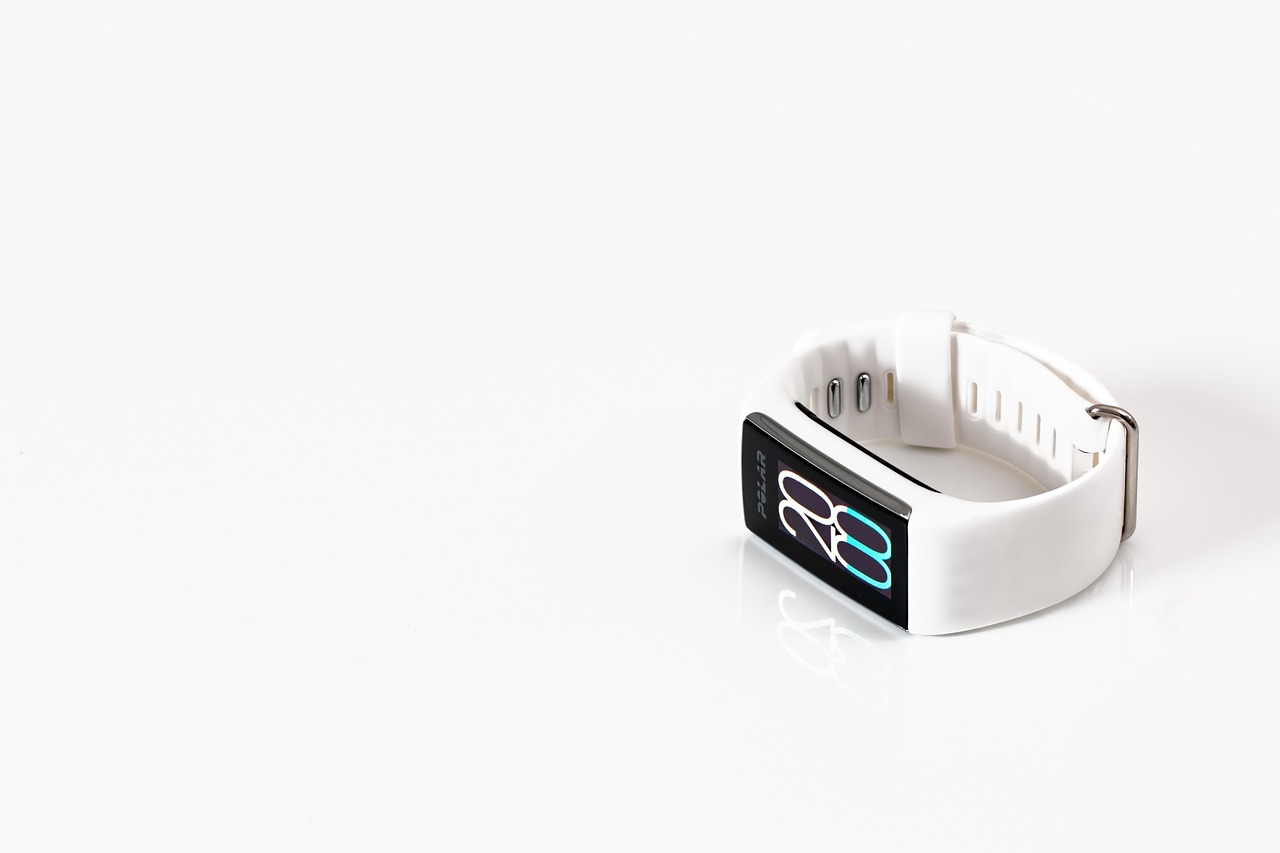

Waterproof Smartwatches vs. Dedicated Swim Trackers: Which is Better?
When it comes to tracking swimming performance, many athletes and fitness enthusiasts are torn between the choice of waterproof smartwatches and dedicated swim trackers. Both have their unique advantages and disadvantages, making the decision quite a personal one tailored to individual needs. Waterproof smartwatches offer a broad range of functionalities beyond just swimming, such as notifications, heart rate tracking, and activity monitoring. However, dedicated swim trackers focus specifically on improving swim performance, providing more detailed metrics like stroke count, lap times, and SWOLF scores. Users should consider several factors before deciding which device suits them best, as understanding personal swim habits can expedite the decision-making process. One significant characteristic is battery life; smartwatches may require more frequent charging, whereas dedicated trackers are generally optimized for extended use within a single swimming session. In terms of usability, advanced swim metrics may require familiarity with the device to fully benefit from its capabilities, which can sometimes present a learning curve. Thus, careful consideration of what features are essential to one’s swimming routine is crucial.
Feature Comparison: Smartwatches vs. Swim Trackers
The features available on waterproof smartwatches generally encompass a wider range, suitable for various athletic activities. Many smartwatches come equipped with built-in GPS, allowing users to track their routes precisely during outdoor swims or runs. In contrast, dedicated swim trackers emphasize swim-specific metrics and may offer an intuitive interface for analyzing swim strokes, distances, and recovery times. Dedicated devices often include features like swim drills analysis, open-water swim connectivity, and specialized swim workouts, catering to the needs of competitive swimmers. Less sophisticated models may still offer basic metrics like distance and time but will lack advanced analysis tools. Meanwhile, smartwatches offer notifications for calls and messages, making them more versatile for everyday wear. Users can personalize their experience with different apps, such as fitness and health-related applications alongside swim tracking. The choice largely depends on whether the user values multi-sport capabilities or focuses predominantly on swimming analysis. To make the most informed choice, potential buyers should assess which features align best with their fitness goals.
Another aspect that significantly impacts the decision between waterproof smartwatches and dedicated swim trackers is price. Smartwatches can range from budget-friendly options to higher-end models, often reflecting their broader functionalities. Dedicated swim trackers generally occupy a more specific niche, resulting in varying pricing structures based on the features offered. Budget-conscious swimmers may find dedicated swim trackers appealing due to fewer sales promotions compared to smartwatches. Higher-quality swim trackers may still be less expensive than premium smartwatch brands that offer a plethora of functions. When deciding, potential buyers should consider the long-term investment. Swim trackers are usually designed for a more extended period of use related specifically to swimming needs, while smartwatches may become outdated as technology progresses. Hence, users should anticipate potential future needs based on their swimming ambitions, ensuring that their chosen device caters not just now but as their swimming journey evolves over time. Therefore, comparing pricing structures thoroughly alongside personal priorities helps in making a cost-effective choice.
User Experience and Comfort
User experience involves comfort, usability, and functionality, all critical aspects that weigh in when adapting to waterproof smartwatches and dedicated swim trackers. Smartwatches typically feature larger displays, allowing for easier navigation through apps and notifications, especially during activities. However, larger devices may not please everyone, particularly in the restrictive environment of swimming. Dedicated swim trackers, being streamlined, are often specifically designed with swim ergonomics, allowing for natural movement in the water. This feature can be a game-changer for serious swimmers concerned about efficiency and comfort in their strokes. Users favor models that feel lightweight and do not impede their performance. Additionally, dedicated swim trackers may feature more swim-friendly materials that ensure they stay securely on while reducing drag. Thus, testers often ascertain which device feels more comfortable during swim sessions, as comfort will influence performance positively. The interface should also remain intuitive for a seamless experience when adapting to swim routines. Thus, personal trials, when possible, could greatly enhance the user’s insight into comfort and usability.
A crucial consideration when choosing between waterproof smartwatches and dedicated swim trackers is their durability. Both devices are built to withstand water pressure and exposure to chlorine and saltwater but will vary in their ratings and resilience. Checking the IP rating is essential; it indicates how effective they are against moisture and particulate ingress. Higher ratings typically suggest better performance in water, although wear and tear over time could affect both types of devices. Additionally, dedicated swim trackers often include extra protective features such as reinforced display covers. As swimmers engage with their devices, exposure to elements like UV rays may contribute to quicker degradation. Thus, evaluating warranties and reviews becomes indispensable in understanding a product’s long-term viability. Moreover, swimmers who participate in open-water events may need devices equipped to handle diverse conditions, such as sudden temperature changes. In this regard, asking fellow swimmers about their experiences with specific brands may reveal vital information about long-term durability considerations.
Conclusion: Choosing the Right Gear
In conclusion, the choice between waterproof smartwatches and dedicated swim trackers fundamentally hinges on individual preferences and requirements. Potential buyers should first establish their primary use-cases: whether they’re focused solely on improving swim performance or prefer a multifunctional device that can be used across several activities. A dedicated swim tracker may serve an advanced swimmer well, as it offers specialized metrics catered specifically for swimming analysis. Conversely, casual swimmers integrating fitness activity into their daily lives may find waterproof smartwatches provide the added benefits of notifications and everyday functionality. Ultimately, understanding personal goals and assessing how each device fits into individual lifestyles helps simplify this decision. Investing in high-quality swim gear reaffirms the commitment to enhance swim performance and overall fitness. Taking the time to compare features, comfort, durability, and price against individual needs allows for a more informed choice. Thus, care should be taken to balance technical benefits against price and personal goals for the most rewarding experience.
After weighing the essential criteria in determining the right fitness technology for swimming, consider whether to opt for multiple devices in conjunction with dedicated swim trackers, particularly if you engage in different sports. Some users may find value by investing in both types, gaining the specialized metrics from swim trackers while still having the multifunctional features of a smartwatch. Another aspect to ponder is the ecosystem of the chosen device; compatibility with mobile apps or other gym technology could enhance overall analysis on swim performance and fitness. For those deeply invested, syncing data across devices may offer a holistic view of training progress. Regular updates and community engagement can further enhance the swimming experience, creating motivation through shared goals. Finally, buyers should explore customer support options from manufacturers, ensuring ease of use and hassle-free servicing in case of issues. Thus, a comprehensive approach helps lead to the most enjoyable swimming experience possible while leveraging technology to maximize performance.
Final Thoughts on Swimming Gadgets
In summary, selecting a suitable swimming gadget involves careful consideration of various features and personal preferences. Waterproof smartwatches provide a broader range of functionalities, appealing to users prioritizing versatility. However, avid swimmers may prefer the focused solutions offered by dedicated swim trackers, optimizing their training through precise metrics. Enthusiasts should carefully assess what they need from their devices and confirm that their selected gadgets align with their swimming goals and lifestyle. Both options can significantly enhance one’s performance when utilized appropriately, emphasizing the importance of honest evaluation of individual requirements. Ultimately, the best choice rests with the user; regardless of whether they select a smartwatch or a specialized swim tracker, ensuring that the device seamlessly integrates into their routines will guarantee a better experience and yield impressive results. The future of swim technology is bright, full of innovations that cater to athletes’ diverse needs, confirming that choosing the right gear profoundly impacts one’s performance and enjoyment in the water.