
The Importance of Relaxation Exercises for Your Pelvic Floor After Pregnancy
After giving birth, many new mothers find it essential to focus on postpartum fitness, especially pelvic floor exercises. These exercises are crucial not only for recovery but also for the overall well-being of women. The pelvic floor consists of muscles that support the bladder, uterus, and bowels. After pregnancy, these muscles can become weakened or overly tight due to the physical changes experienced during childbirth. This is where relaxation exercises come into play. Practicing relaxation techniques targeted at the pelvic floor can help improve muscle function, alleviate pelvic tension, and promote healing. It is vital for new mothers to identify and incorporate these exercises into their routine for a better quality of life. Additionally, engaging in mindfulness and breathing techniques can further enhance the benefits of pelvic floor work. Incorporating relaxation into pelvic floor rehabilitation may help ensure a smoother transition into motherhood. Moms should remain patient and persistent with their practice. Making connections with other postpartum women participating in similar activities can lead to emotional support and shared experiences, which is invaluable during this challenging yet rewarding time in their lives.
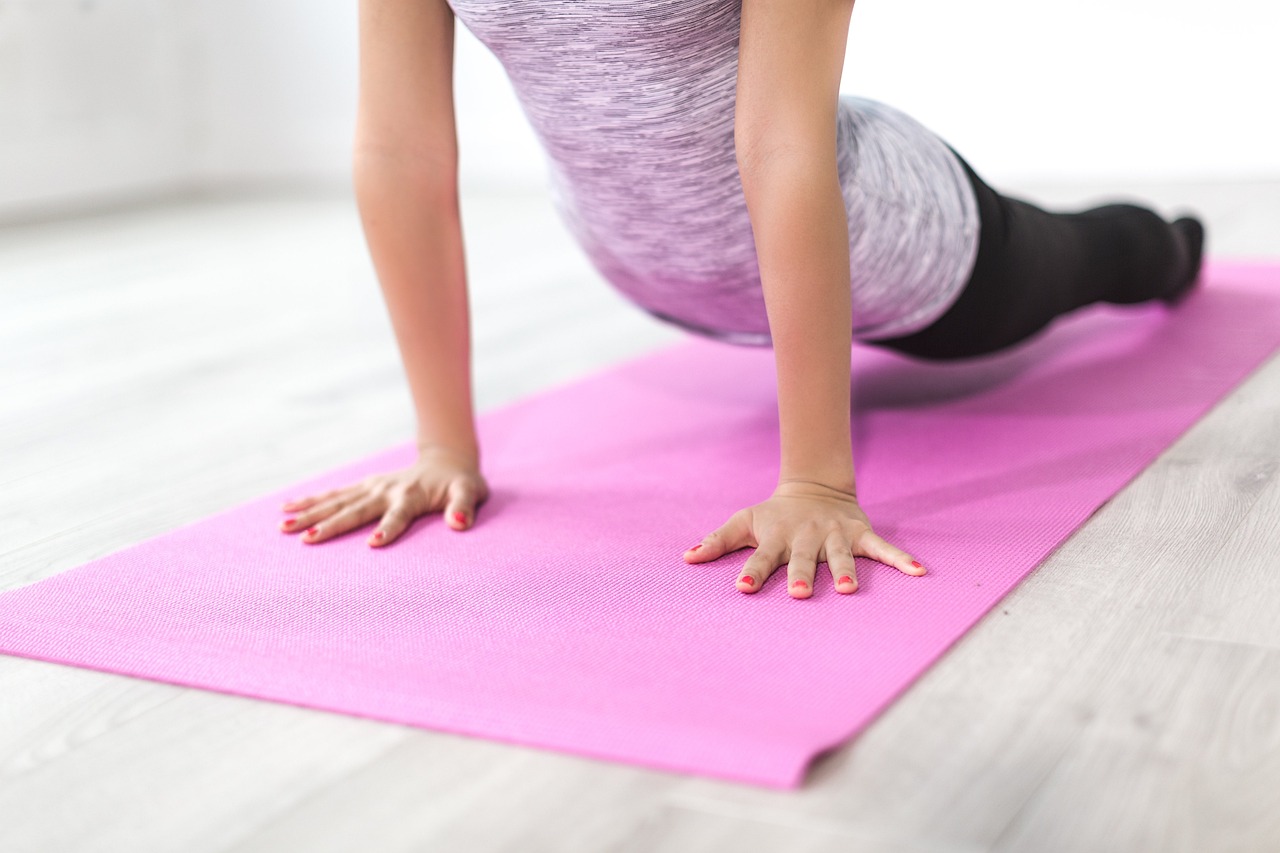
One of the most common yet overlooked aspects of postpartum recovery is pelvic floor relaxation. Women often focus on toning and strengthening their pelvic floor muscles, but understanding the importance of also relaxing these muscles is equally essential. After childbirth, the pelvic floor may remain tense, making it difficult to regain full control and functionality. To begin with, new mothers should learn to identify the pelvic floor muscles through techniques such as deep breathing and visualization. By envisioning the muscles as a gentle hammock, one can start to release tension slowly. The significance of stretching these muscles cannot be understated; just like any other muscle group, tight pelvic floor muscles can result in discomfort, pain, or even urinary incontinence. Incorporating focused stretching and relaxation exercises into daily routines can aid in improving flexibility and muscle coordination. One effective method is the use of yoga, which not only promotes physical stretching but also encourages a mind-body connection. Furthermore, engaging in relaxation exercises can assist mothers in managing stress and anxiety associated with motherhood while facilitating muscle recovery.
Types of Relaxation Exercises
There are several types of relaxation exercises that new mothers can incorporate into their postpartum fitness routines. These include deep breathing, gentle stretching, and even meditation. One common breathing technique is diaphragmatic breathing, which encourages full oxygen exchange and can help calm the body. Practicing this technique regularly can help reduce pelvic floor muscle tension and promote relaxation throughout the body. Gentle stretching exercises can also enhance muscle flexibility and comfort. A well-known stretch for the pelvic floor is the seated forward bend which can easily be performed at home. To do this, sit on the floor with legs extended and gently reach toward your toes, focusing on the release of tension in the pelvic area. Similarly, pelvic tilts are helpful for both stretch and strengthening. They involve lying on your back, knees bent, and gently tilting the pelvis back and forth. Each of these exercises, when practiced mindfully, sculpt a path toward optimal postpartum recovery. New mothers are encouraged to visit specialized classes or consult with a physical therapist for additional guidance and support.
Equally important are the emotional benefits of relaxation exercises for pelvic floor health. After childbirth, many women experience various emotional changes, including those associated with postpartum depression or anxiety. Incorporating relaxation techniques can have a profound impact on overall emotional well-being. Practicing deep breathing and mindfulness during pelvic floor exercises allows mothers to become more in tune with their bodies and feelings. This connection can result in increased acceptance of the physical and emotional changes they face. Additionally, taking a moment to engage in these relaxing exercises can serve as a form of self-care, emphasizing the importance of prioritizing one’s health during the postpartum period. Emotional relief gained from relaxation can enhance mood and even improve bonding experiences with the newborn. By creating a serene environment, mothers can also enjoy practicing these exercises more mindful than ever before. Consider enhancing the experience with calm music, candles, or relaxing scents. The significant benefits of pelvic relaxation exercises extend far beyond physical recovery, nurturing mental health and overall happiness.
Finding the Right Support
Support is crucial during postpartum recovery, especially when it comes to pelvic health. Many mothers feel unsure about embarking on this journey alone, and seeking professional assistance can be advantageous. Engaging with a pelvic floor specialist can tailor exercises that specifically address individual needs and concerns. These professionals can offer a range of services, including safe exercise programs, education on bodily changes, and personalized support. Additionally, attending postpartum fitness classes can create a community of mothers who share similar experiences. Such connections not only provide emotional support but also encourage accountability in maintaining a regular fitness routine. Online forums and social media groups centered around postpartum fitness can offer valuable resources and advice for women seeking comfort and community. Many mothers find that asking questions or sharing experiences can help alleviate feelings of isolation. It’s vital to remember that every woman’s body reacts differently after childbirth, and finding a supportive environment makes the journey easier. Oftentimes, joint activities such as yoga, pilates, or even walking with another mom can provide extra motivation and boost recovery efforts.
In addition to physical support, mental well-being plays a significant role in the effectiveness of pelvic floor recovery exercises. Incorporating mindfulness practices can bring attention to both the body and the mind, enhancing relaxation outcomes. Techniques such as visualization and guided imagery can be especially powerful when integrated into pelvic floor exercises. Imagining the muscles gently releasing and relaxing during practice can help instill a sense of peace. Meditation techniques, even if practiced for a few minutes daily, can help combat feelings of overwhelm and anxiety. Apps and online resources are widely available, providing guided sessions tailored for new mothers. Furthermore, maintaining a journal as part of recovery can be an effective outlet for expressing thoughts and feelings during this transformative phase. Journaling can help track progress while encouraging a deeper understanding of individual pelvic health needs. It helps boost motivation and keeps mothers focused on their achievements. Emphasizing the integration of mental and emotional support along with physical exercise leads to a holistic approach to postpartum recovery.
Creating a Routine for Success
Establishing a consistent routine for relaxation exercises is vital for maximizing benefits to pelvic floor recovery. New mothers should aim to incorporate these exercises into their daily schedules, whether early in the morning or right before bedtime. Consistency is key, as regular practice can lead to lasting results. Setting achievable goals helps maintain focus, allowing mothers to track smaller victories over time. It’s essential to begin with short, targeted sessions that gradually increase in duration as comfort and confidence grow. Alongside developing a physical routine, mothers may benefit from scheduling time for mental relaxation activities. Pairing exercises with favorite self-care practices, such as a warm bath or peaceful mindfulness time, can make the experience more enjoyable. Special attention should be given to the environment during these sessions; creating a calming space with minimal distractions can enhance focus and relaxation. Including other family members in the exercise sessions can also foster a sense of bonding and support. Fostering an atmosphere of openness allows women to express their needs while encouraging family involvement.
In conclusion, relaxation exercises for the pelvic floor after pregnancy are a critical component of postpartum recovery. These exercises help restore muscle function and alleviate physical discomfort while promoting emotional well-being. Creating an effective routine that combines a variety of relaxation techniques can maximize the potential benefits. One should combine exercises with additional mental health tools, such as mindfulness and journaling, to enhance the overall recovery experience. Support networks and professional guidance contribute significantly to success, helping mothers stay engaged and motivated. As new mothers navigate the beautiful yet challenging journey of motherhood, prioritizing relaxation exercises can transform their experience, resulting in a healthy body and mind. Emphasizing pelvic health improves one’s quality of life as a mother and strengthens the bond with their child. With patience and dedication, relaxation exercises can lead to profound benefits that will pave the way for a fulfilling motherhood journey. Remember, every woman’s recovery is unique, and it’s essential to honor that journey by being kind to oneself while embarking on this transformational experience.