
Hydration Tips for Pregnant and Nursing Mothers
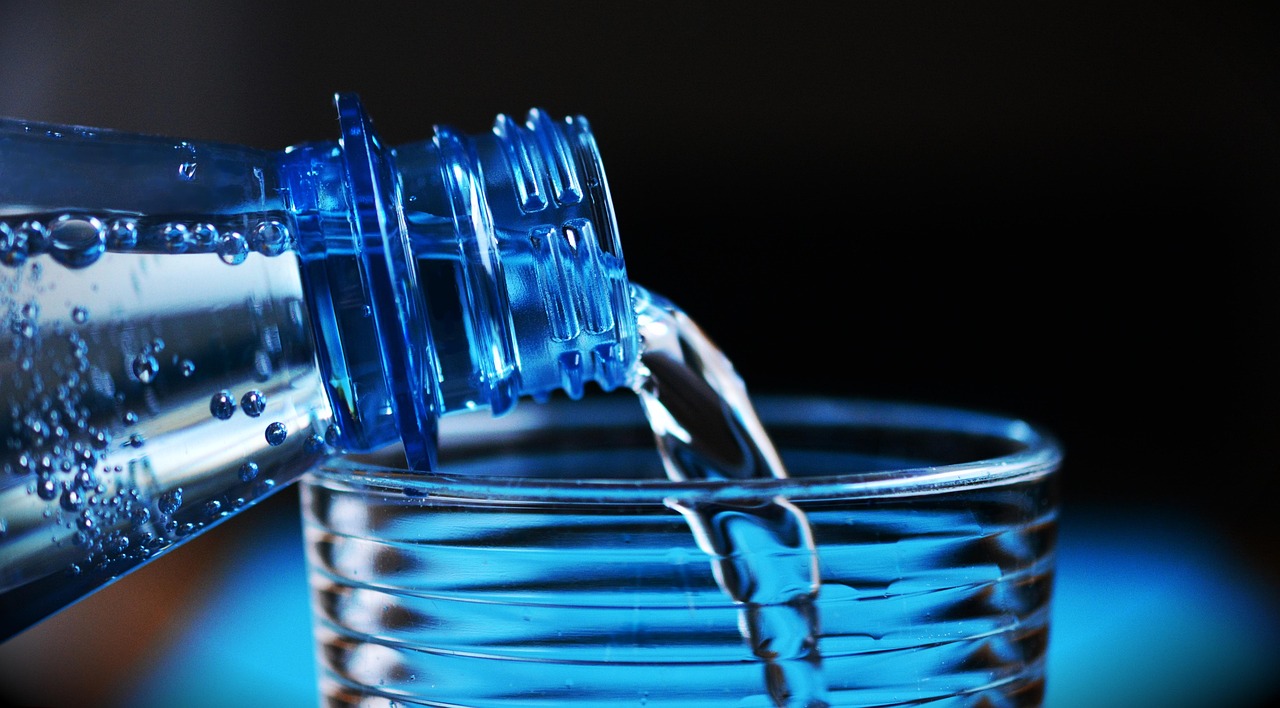
Staying hydrated is vital for pregnant and nursing mothers, as proper hydration supports their health and the health of their babies. Drinking sufficient fluids helps maintain amniotic fluid levels, aids digestion, and can reduce swelling. The recommended daily fluid intake varies, but generally, pregnant women should aim for about 10 cups (2.3 liters) per day, while nursing mothers may need around 13 cups (3.1 liters) or more, based on their activity levels. To make hydration easier, consider keeping a water bottle handy throughout the day. This can serve as a reminder to drink regularly. Additionally, incorporating hydrating foods into daily meals can boost fluid intake. Fruits like watermelon and oranges, along with vegetables such as cucumbers and celery, are excellent choices. They provide essential vitamins and minerals while contributing to hydration. Try to avoid excessive caffeine or sugary drinks, as they can dehydrate the body. Instead, opt for herbal teas or infused water for flavor without added sugar. Being mindful of these tips can make a significant difference in the overall well-being of both mother and child.
Importance of Electrolytes
In addition to plain water, the balance of electrolytes is crucial for hydration, especially during pregnancy and breastfeeding. Electrolytes are minerals in the body that carry an electric charge, including sodium, potassium, and magnesium. They help regulate various bodily functions, including muscle contractions and hydration levels. During pregnancy, women may experience fluctuations in electrolyte levels due to nausea, vomiting, or increased fluid needs. Staying hydrated means not just drinking water but also ensuring that electrolytes are balanced. Incorporating foods rich in electrolytes can enhance hydration. For example, bananas, spinach, avocadoes, and yogurt are all excellent sources. Electrolyte-rich drinks can also be beneficial, but it’s essential to choose options without added sugars. Homemade electrolyte drinks can be prepared using simple ingredients like lemon juice, salt, and honey to balance hydration effectively. When feeling weak or dizzy, consider this approach to maintain energy and focus. Pregnant and nursing mothers should monitor their electrolyte intake closely, particularly in hot climates, during exercise, or when fighting illness. Awareness and attention to hydration can positively impact health and energy levels.
Drinking fluids throughout the day rather than in large amounts at once is an effective strategy for hydration. Smaller, more frequent sips can help maintain hydration without causing discomfort. It’s also helpful to develop a routine, such as drinking a glass of water during each meal or snack. Additionally, try keeping hydration in mind when planning activities. For instance, on trips or outings, carry water and refreshing snacks. This reliable approach can make staying hydrated enjoyable and effortless. During hot weather, ensure that water is the primary drink of choice, as it helps cool the body and prevent overheating. Milder beverages, such as herbal teas, can offer variety without adding calories. If plain water feels unappealing, explore flavored water by adding slices of fruits or herbs like mint. Experimenting with different combinations can keep hydration refreshing and engaging. Also, mothers can involve their families or partners in this hydration journey, encouraging everyone to drink more water together. This collective approach can foster a positive environment for healthy habits and can even strengthen family bonds.
Many pregnant and nursing mothers often overlook the signs of dehydration. Understanding these symptoms is essential for effective hydration management. Common signs include feelings of thirst, dry mouth, fatigue, dark yellow urine, and headaches. Recognizing these indicators can help mothers proactively address their hydration needs. If you experience these signs, take a moment to drink a glass of water or a hydrating beverage. Making a habit of drinking water before feeling thirsty can also promote better hydration. Remember that hydration needs may change throughout pregnancy and while breastfeeding. Consequently, regularly assess your fluid intake and adjust based on your situation. During hot weather or periods of increased activity, it may become necessary to boost fluid consumption beyond the usual recommendations. It may also be prudent to consult healthcare professionals for personalized advice regarding hydration needs during pregnancy and breastfeeding. Individual factors such as health conditions or physical activity levels can influence hydration requirements. Engaging with a healthcare provider can ensure that mothers feel secure about their hydration practices, benefiting both mother and child.
Creative Ways to Include Fluids
Incorporating more fluids into your diet can be enjoyable with creative ideas. For example, making smoothies can be a delicious way to hydrate. Combine fruits, vegetables, and a liquid base like water or coconut water. This method not only hydrates but also provides essential nutrients. Additionally, consider soups and broths as part of meals. They contribute to fluid intake while also supplying proteins and vitamins. For a fun treat, make ice pops using diluted fruit juices or blended fruits. These are a cool and refreshing option, especially during warm weather. Also, hydration doesn’t have to come solely from liquids. Foods with high water content, such as cucumbers, strawberries, and zucchini, can be beneficial. Eating this type of food during meals or as snacks can help meet hydration needs while enjoying healthy meals. Even enhancing standard recipes with extra water or broth can subtly boost fluid intake. Engage family members by creating fun hydration challenges, encouraging everyone to discover new ways to stay hydrated and share ideas. These steps foster not only hydration but also overall healthier eating patterns.
Being conscious of hydration is important, yet it shouldn’t lead to obsessive behaviors. Awareness is key, but mothers should maintain a healthy, balanced approach. Having a set goal for daily water intake is helpful but ensure it aligns with natural thirst cues and personal comfort. When feeling overwhelmed with hydration, focus on overall wellness rather than strictly measuring every fluid intake. Connecting hydration practices with the enjoyment of meals and social occasions helps foster a natural lifestyle. Eating with loved ones while enjoying hydrating foods and drinks enhances both relationships and hydration habits. It’s crucial to remember that hydration needs will change during different stages of pregnancy and nursing. Staying flexible and adaptable reduces stress and promotes healthy habits. Engage with a community or support group for added motivation and encouragement. Sharing tips with peers can provide new ideas and strategies for staying hydrated effortlessly. Remember, prioritizing well-being over perfection is essential. Staying realistic about hydration goals will make the process enjoyable and maintain the energy levels needed for both mother and baby.
Conclusion and Final Thoughts
In conclusion, maintaining proper hydration throughout pregnancy and breastfeeding is vital for maternal and child health. Awareness and practical strategies play a significant role in achieving this goal. Adopt a balanced approach that incorporates water, hydrating foods, and electrolyte management. Small and consistent efforts can lead to improved hydration levels over time, impacting overall well-being. Regular assessment of individual hydration needs is important, focusing on natural thirst signals. Engage with healthcare professionals for personalized recommendations tailored to specific circumstances. Explore creative fluid sources and involve family in this journey to create a supportive environment. Transform hydration into an enjoyable and engaging experience, linking it with social activities or family time. Being mindful of hydration without becoming overly fixated provides balance, ensuring mothers prioritize overall health without unnecessary stress. Celebrate each step toward achieving hydration goals and embrace the positive changes that come with improved wellness. A well-hydrated mother can better care for her baby, setting the stage for healthy growth and development. By implementing these hydration tips into daily life, mothers can enhance their health and enjoy the process.
Embracing these hydration practices will promote a positive mindset towards physical health and wellness. You can create lasting change for both you and your baby.