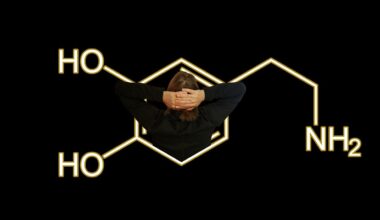

The Relationship Between Postpartum Hormones and Cardiovascular Health
Postpartum hormonal changes are a natural aspect of the transition to motherhood. After childbirth, women experience some significant shifts in hormone levels, particularly estrogen, progesterone, and oxytocin. These hormones play vital roles in various bodily functions, including those related to cardiovascular health. Understanding how these hormonal fluctuations can impact heart function and overall cardiovascular risk is crucial for ensuring long-term health for new mothers. It is important to forge a connection between hormones and the cardiovascular system to promote awareness among postpartum women. The interplay of these hormones can influence factors such as blood pressure, heart rate, and overall cardiovascular response. Hence, assessing these changes is essential in managing health during this period. Furthermore, postpartum complications such as hypertension or thromboembolic events may arise, which necessitates monitoring hormone levels. Regular check-ups can assist in identifying potential risks. A healthy lifestyle, encompassing exercise and nutrition, can mitigate these complications. New mothers should aim for a balanced approach, prioritizing both hormonal balance and cardiac health for overall well-being.
Hormonal changes during the postpartum period can significantly impact cardiovascular function. For instance, the reduction in estrogen levels postpartum influences vascular health, including arterial stiffness and lipid profiles. Lower estrogen levels are correlated with increased risk factors for heart disease, such as high cholesterol and abnormal blood pressure. More specifically, women may face metabolic changes that could increase their susceptibility to cardiovascular conditions. Understanding these changes is essential for women to manage their cardiovascular health effectively. Engaging in physical activity is one effective strategy to counter these effects. Regular exercise post-delivery has been shown to improve cardiovascular health parameters, offsetting some of the risks associated with dropping hormone levels. As new mothers prioritize care of their newborns, it’s vital they also invest in their health through activity and nutrition. Adequate intake of omega-3 fatty acids, for instance, can mitigate some negative cardiovascular effects linked to hormone drop. Furthermore, the support of healthcare providers during this time is essential. Discussing these changes openly with professionals ensures that mothers can receive guidance tailored to their individual needs.
The role of oxytocin, often called the ‘love hormone,’ is particularly relevant postpartum. Oxytocin levels spike during childbirth and breastfeeding, generating strong maternal bonding. However, it also indirectly helps with cardiovascular health by promoting stress reduction and positive emotional well-being. Studies suggest that oxytocin can help lower blood pressure and may even improve heart function. Thus, maintaining high levels of oxytocin through nurturing behaviors such as skin-to-skin contact and breastfeeding can contribute to healthier cardiovascular profiles. Nonetheless, hormonal balance is intricate, and concerning changes can happen if oxytocin levels fluctuate too widely. If new mothers face emotional struggles or even postpartum depression, their oxytocin levels might decrease, thus impacting both emotional and physical health. Seeking help promptly can prevent long-term cardiovascular effects linked to sustained hormonal imbalances. In addition to psychological support, social networks can play an essential role during this time. Surrounding oneself with supportive individuals helps sustain oxytocin levels, positively influencing overall health. Comprehensive approaches to postpartum care must address physical, emotional, and social determinants to ensure optimal recovery and health.
Managing Postpartum Cardiovascular Risks
To manage postpartum cardiovascular risks effectively, it’s crucial for women to undergo regular health assessments during this transition. Health care providers should track key metrics such as blood pressure, cholesterol levels, and overall heart rate. Documenting these changes helps identify potential heart health issues early on. Incorporating moderate physical activity into daily routines is highly beneficial. Activities like walking or low-impact aerobics can aid in recovery and directly enhance cardiovascular fitness. New mothers are encouraged to seek group classes or community exercise initiatives designed for postpartum women. These supportive environments not only help decrease feelings of isolation but also promote social interaction. Moreover, proper nutrition cannot emphasize enough during this time. A focus on whole foods, rich in omega-3s, can positively impact heart health. Foods like fatty fish, nuts, and seeds should be staples in their diets. Adequate hydration and balanced meals will help them maintain energy levels while supporting lactation. Monitoring intake of processed foods can also help mitigate risks associated with increased blood pressure and cholesterol. Individualized plans based on medical history ensure that postpartum health supports cardiovascular strength.
Sleep also plays a pivotal role in hormonal regulation postpartum. New mothers often face sleep deprivation, impacting hormone levels and cardiovascular health. Poor sleep has been shown to influence cortisol and estrogen levels negatively, leading to increased cardiovascular risk factors. Appropriate rest can be as crucial as diet and exercise in postpartum recovery focusing on rest and recovery. It’s vital for postpartum women to develop strategies to optimize sleep, such as sleeping when the baby sleeps or creating a calming bedtime routine. Additionally, setting boundaries regarding visits and social activities can foster a restful environment. Building a reliable support system is key to ensuring mothers feel comfortable and secure enough to rest. Care partners, friends, and family should assist with daily tasks, allowing new mothers the leisure for recuperation. Moreover, communities can consider support programs focusing on postpartum experiences enabling discussions around the importance of sleep. Health education regarding the impact of sleep on overall wellness could also provide essential insights into managing health and well-being during this sensitive period and ensuring recovery from childbirth.
Conclusion and Future Considerations
As research continues to evolve in the field of postpartum health and cardiovascular wellness, understanding the hormonal landscape remains paramount. Increased awareness of the relationship between hormones and heart health empowers women to take proactive steps towards ensuring physical well-being through education and treatment options. As the healthcare system increasingly recognizes postpartum cardiovascular health, better strategies can be developed to address these issues comprehensively. This involves collaboration among obstetricians, cardiologists, and mental health providers to create integrated care approaches tailored for new mothers. The importance of community support networks cannot be overstated, providing shared experiences, resources, and encouragement. Information dissemination through workshops and community programs enhances the education of postpartum women. Importantly, policy changes to ensure postpartum visits that provide preventive screenings can lead to healthier long-term outcomes for mothers. Lastly, encouraging women to share their postpartum experiences can help normalize conversations surrounding hormonal health. Empowerment through storytelling and shared experiences will contribute to a more supportive environment for postpartum health management, ultimately leading to healthier communities and more informed women.
In summary, postpartum hormonal changes signal a critical period in women’s lives that can significantly influence cardiovascular health. The complex interplay between hormones and various factors can either heighten or reduce cardiovascular risk. Recognizing the implications of estrogen, progesterone, and oxytocin in this context provides essential insights towards better health management. As postpartum women navigate these changes, awareness of potential risks and strategies for wellness can help mitigate adverse outcomes. New mothers should seek support from healthcare providers while prioritizing their own health needs. Exercises, nutritional choices, and self-care practices contribute to a holistic approach to postpartum recovery. In addition, fostering social connections can enhance emotional well-being and hormonal balance. Health literacy among new mothers plays a crucial role in developing preventive measures and encouraging overall wellness. Ultimately, empowering women with knowledge equips them to proactively manage their health, ensuring cardiovascular well-being long after childbirth. By making informed choices and engaging in community resources, new mothers can navigate this new chapter of life with confidence and vigilance. Prioritizing both physical and emotional health is essential for a thriving postpartum journey.