
How Martial Arts Boosts Confidence and Physical Fitness
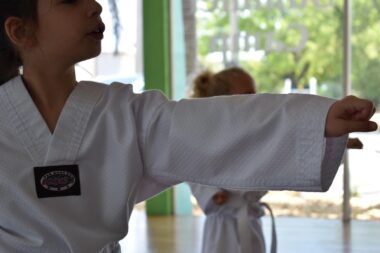
Practicing martial arts is a transformative journey that significantly boosts both confidence and physical fitness. Many people start martial arts for self-defense skills or fitness benefits, but they often discover that their self-esteem rises as they learn new techniques. The structured environment of classes fosters discipline and encourages practitioners to push their limits. Each successful kick or punch builds not only physical strength but also mental resilience. As students progress, they face challenges that require persistence and grit, contributing to personal growth. Moreover, martial arts integrate physical conditioning, making students faster and stronger. With regular practice, individuals achieve better cardiovascular health and flexibility, complementing their skills in self-defense. The consistent effort needed for improvement allows individuals to see tangible results, thereby reinforcing confidence. The beauty of martial arts lies in its community, which celebrates individual progress and fosters camaraderie. Students cheer each other on through their various journeys, reinforcing the ideal that everyone improves at their own pace. They share experiences and motivate one another, establishing strong bonds that extend beyond the training mat.
The Importance of Discipline
Discipline is one of the core values that martial arts instill in practitioners. This discipline manifests in various aspects of life, guiding students to prioritize their goals effectively. Proper training routines require commitment, pushing participants to stick to a schedule and train regularly. As they learn to manage their time and responsibilities, martial artists cultivate discipline that ripples into personal and professional lives. Furthermore, martial arts emphasize respect, not only for instructors but also for peers. Many martial arts schools cultivate an environment where respect forms the foundation of practice. This mutual respect enhances self-regulation amongst students, allowing them to push beyond their comfort zones. Such an environment nurtures emotional control, as martial artists learn to manage stress and frustration during challenging training sessions. Additionally, disciplined habits foster a strong work ethic, pushing students to achieve higher ranks and belts. This work ethic translates to other areas such as academics or careers, leading to better overall performance. As participants embrace discipline, they also learn accountability, which leads to improved self-image and confidence.
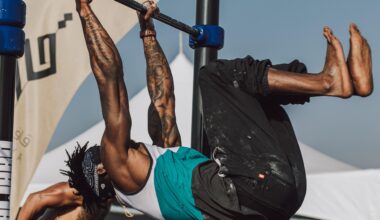
Physical fitness is a primary benefit of practicing martial arts, benefiting both body and mind. Regular training improves cardiovascular endurance, strength, and flexibility, making it an excellent workout. Each class is typically a mix of techniques, forms, and sparring, ensuring that participants engage in a full-body workout. The dynamic movements in martial arts challenge muscles in unique ways, promoting overall development and toning. Practitioners often find themselves developing better core strength and agility as they master kicks, punches, and defensive maneuvers. The repetitive practice enhances muscle memory, enabling fluid motion and increased coordination. Moreover, martial arts training often incorporates resistance exercises and conditioning drills, promoting weight management and overall health. This comprehensive fitness regime not only prepares the body for self-defense but also promotes a sense of well-being. Regular physical activity improves mental health, releasing endorphins that help reduce stress and anxiety. Increased energy levels lead to better focus in daily tasks, enhancing productivity. Moreover, many participants experience improved sleep patterns, further benefiting their overall health and resilience.
Boosting Self-Esteem
The journey through martial arts profoundly impacts self-esteem, fostering trust in oneself. Learning self-defense techniques equips individuals with the knowledge that they possess the ability to protect themselves if needed. This newfound power can drastically alter one’s perception of personal safety and confidence in various situations. Over time, practitioners develop a sense of achievement through overcoming physical and mental challenges. Each belt earned or skill mastered brings a new level of confidence as they recognize their improvements. The support of instructors and peers during classes encourages self-expression and reinforces individual worth. As students share their accomplishments, they realize they are part of a broader community that values effort. The encouragement within martial arts schools helps to dispel negative self-talk, replacing it with a positive mindset. Practitioners also often witness transformations in others, further motivating them to improve. As confidence grows, individuals become more willing to try new experiences, leading to enhanced social interactions and opportunities. This transformation ripples into other areas of life, empowering practitioners to pursue their dreams more vigorously.
Beyond physical fitness and self-esteem, martial arts promote resilience and determination. The practice emphasizes facing challenges head-on, which cultivates a mindset geared toward problem-solving. During sparring sessions or when mastering new techniques, students learn to cope with pressure and setbacks. Every failure on the training mat becomes a lesson, encouraging participants to persist and grow. This resilience develops a tenacity that translates into everyday life as individuals face obstacles with renewed strength. In addition, martial arts encourage a growth mindset where challenges are viewed as opportunities for growth. The process of overcoming these challenges instills confidence in facing life’s trials outside the dojo. Students who once shied away from difficult tasks often find themselves stepping out of their comfort zones. This newfound resolve leads to improved performance in academic and professional pursuits. Furthermore, martial arts trains practitioners to remain calm under pressure, an invaluable skill in both personal and professional settings. The ability to maintain composure enhances decision-making and helps in conflict resolution, making martial artists effective leaders.
Community and Support
Joining a martial arts school creates a strong sense of community, providing a support system for practitioners. This camaraderie fosters friendships and encourages participation, making it easier to remain committed to personal development goals. The inclusion of diverse backgrounds in martial arts classes enhances the learning experience, exposing participants to various perspectives and approaches. Training alongside individuals with differing skill levels promotes mentorship and growth, fostering an environment of collaboration. This communal approach aids motivation as students cheer and support each other’s progress towards higher belts. They share challenges and celebrate achievements together, creating lasting bonds and friendships. Additionally, martial arts classes often engage in social events, competitions, and community service. This involvement builds stronger ties and helps participants feel more invested in their training journey. Developing relationships within this community enhances accountability and motivation during tough training periods. As participants navigate their paths, the support of their community becomes invaluable. Practitioners often find that they have someone to lean on during struggles, ensuring they have a conducive network for improvement.
The benefits of martial arts extend far beyond the dojo, impacting various aspects of daily life. The skills acquired through training teach participants how to set and achieve goals effectively. This goal-setting mindset helps individuals in their academic and career pursuits, fostering a proactive attitude toward achievement. Martial artists often find that their ability to focus improves significantly, allowing them to apply techniques for success in diverse areas. Additionally, the discipline cultivated through martial arts translates into better time management skills. Balancing practice with other responsibilities leads to enhanced organizational abilities, which are critical in today’s fast-paced world. As practitioners learn to prioritize their training, they become more efficient in managing their work and study routines. Moreover, martial arts inspire individuals to lead healthier lifestyles, encouraging nutritious eating habits and regular exercise outside training. Many students develop a passion for fitness that transfers to other physical activities. The result is a holistic improvement in both mental and physical health, enabling martial artists to enjoy life with enhanced vigor and enthusiasm. Whether on or off the mat, the positive impacts of martial arts are profound and life-altering.
In conclusion, martial arts are an excellent avenue for enhancing confidence and physical fitness. The journey towards mastery provides individuals with tools for personal growth and resilience through discipline and community. Regular training offers numerous physical benefits, from improved strength to flexibility, contributing to better overall health. Furthermore, the self-esteem gained through achievements and learning self-defense equips practitioners with a sense of empowerment. The supportive environment cultivates friendships that enrich one’s life, providing a network of encouragement and motivation. Through martial arts, practitioners not only become skilled fighters but also resilient individuals prepared to tackle life’s challenges. The lessons learned on the mat often translate into success in various life spheres, including personal relationships and career progression. More importantly, these benefits extend beyond mere physicality; they foster a holistic sense of well-being. Practicing martial arts creates a lifestyle of health, discipline, and confidence that can transform lives for the better. Therefore, engaging in martial arts is not just about learning techniques but embarking on a journey of self-discovery and personal empowerment, benefiting the whole person.