
Understanding Body Types in Powerlifting
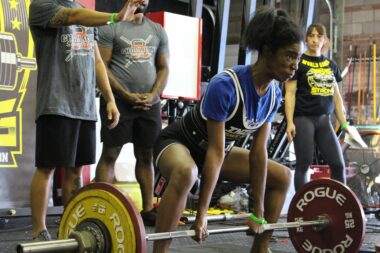
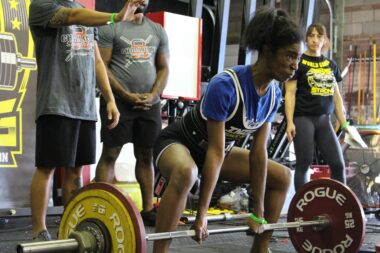
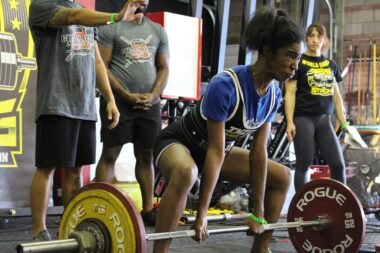
When it comes to powerlifting, accommodating various body types is crucial for optimizing performance. Every lifter has unique attributes related to their body composition, strength distribution, and biomechanics. Understanding whether you fall into categories such as ectomorph, mesomorph, or endomorph can guide your training regimen. For instance, ectomorphs, often characterized by a slender build, may find it challenging to gain muscle mass. Consequently, training for them should focus on compound movements, higher volume workouts, and ensuring caloric surplus for optimal muscle growth. On the other hand, mesomorphs, known for their muscular and athletic build, have a natural advantage in powerlifting. They can benefit from a balance of strength training and hypertrophy work to maximize their gains. Finally, endomorphs typically possess broader frames and may need to emphasize cutting fat along with gaining strength. Adapting training around your body type helps you to maximize efficiency and minimize the risk of injury. By recognizing these differences, you can tailor your lifts and training methods to suit your strengths and weaknesses while improving overall performance as a powerlifter. A personalized approach not only yields physical benefits but also boosts confidence during meets.
Training Techniques for Ectomorphs
Ectomorphs often struggle to pack on muscle mass due to their naturally fast metabolism and lean physique. Therefore, their training needs to be carefully crafted to enhance muscle development. One key aspect is focusing on lower repetitions with higher weights during strength exercises. This approach stimulates muscle fibers effectively, leading to hypertrophy over time. Compound movements, such as squats, deadlifts, and bench presses, should be incorporated to engage multiple muscle groups and maximize growth potential. Additionally, ectomorphs benefit from limited cardio sessions, as excessive cardio can hinder weight gain goals. Instead, they should prioritize lifting while ensuring sufficient caloric intake to support muscle recovery and growth. Nutritionally, consuming a diet rich in protein and healthy carbohydrates will provide the needed energy for intense lifting sessions. Incorporating supplements, like creatine, can also aid in fueling workouts and enhancing gains. Adequate rest is vital for recovery, so routines should allow for sufficient recovery periods. Combining these strategies will create a tailored training plan that amplifies strength and size for ectomorph lifters, unlocking their true potential in powerlifting competitions.
Best Practices for Mesomorphs
Mesomorphs are often well-suited for powerlifting thanks to their favorable build, making the training approach slightly different. They tend to gain muscle easily and respond quickly to various training regimens. Therefore, utilizing a blend of strength training and hypertrophy-focused sessions is beneficial. Lifting heavy weights at lower reps can capitalize on their muscle-building capabilities, while moderate rep sessions can help in refining muscle endurance. Furthermore, incorporating dynamic movements, like Olympic lifts and strongman-style lifting, can enhance overall strength and athleticism. Mesomorphs often excel in competitive settings due to their adaptability and robust physiques, so varied training can keep engagement high. Nutrition must still be on point; opting for a balanced intake of carbohydrates, proteins, and fats will sustain energy levels during demanding workouts. Staying hydrated and considering deloading phases will prevent burnout and overtraining. Mesomorphs shine in powerlifting competitions, and understanding their body’s needs will facilitate better performance outcomes, assistance in recovery, and overall enjoyment of the sport, propelling them to new personal bests.
Strategies for Endomorphs
Endomorphs often possess more significant muscle mass and body fat than other body types, which can lead to unique challenges in powerlifting training. Their strength is typically higher, but they may need to focus on fat loss to improve lifting performance. One effective strategy is to incorporate circuit training or high-intensity interval training (HIIT) into the routine to burn fat while maintaining muscle. Strength training should remain a priority, but integrating more reps with lighter weights helps in achieving endurance without excessive bulking. Endomorphs should emphasize form and technique in their lifts to avoid stress on joints, ensuring movements are executed correctly. Nutritionally, a well-rounded diet should focus more on proteins and healthy fats while minimizing simple carbohydrates. Regular meal patterns and pre- and post-workout meals can optimize energy levels for training. Drinking enough water and monitoring food intake is essential for managing weight. Adapting training and nutritional strategies that complement an endomorph’s unique physiology can enhance performance and provide better results, fostering a healthier, stronger powerlifter equipped to take on challenges.
Preventing Injuries Across Body Types
Injuries can be a significant concern for powerlifters of any body type, and the key to preventing them lies in understanding individual limits. Regardless of whether you are an ectomorph, mesomorph, or endomorph, it’s essential to prioritize form over weight. Proper technique minimizes stress on muscles and joints during each lift, significantly reducing the risk of injuries. Acknowledging your limitations and knowing when to rest are equally important; pushing through pain can lead to lasting damage. Incorporating warm-ups and cooldowns into every session enhances flexibility and prepares the body for exertion. Additionally, diversifying workouts by including accessory exercises can help fortify supporting muscles. These exercises strengthen weaker areas that could lead to imbalances and injuries. Recovery strategies, including foam rolling and stretching, should be a staple in any training plan to improve mobility. Lastly, listening to your body and consulting professionals for form checks can help identify and resolve issues before they escalate into injuries. Taking these preventive measures tailored to individual needs will foster longevity in the sport and empower powerlifters of all body types.
Nutrition Adaptations for Powerlifters
Nutrition is a vital element in powerlifting that varies significantly across body types. Ectomorphs must focus on consuming more calories frequently to ensure muscle growth. They should aim for high-protein meals paired with sufficient complex carbohydrates to support intense training. Exploring nutrient-dense foods will help maximize calorie intake, fostering muscle development. Conversely, mesomorphs should maintain balanced meals with a moderate caloric surplus to prevent excessive fat gain while supporting their muscle gains. It’s essential for them to adjust their intake based on training intensity and competition phases. Endomorphs must work on crafting a diet aimed at weight loss, focusing on higher protein and fiber-rich foods while limiting sugar and processed foods. Knowing macronutrient ratios can aid in shaping diets tailored effectively. Hydration plays an equally crucial role across all body types; thus, water intake must be emphasized for energy, digestion, and nutrient absorption. Powerlifters can make informed food choices that align with their body types and performance goals, contributing to better training results, enhanced recovery, and an overall improved competitive edge in lifting.
The Importance of Mental Conditioning
Mental conditioning often takes a backseat in physical training, yet it plays an essential role in powerlifting effectiveness. Each body type presents unique psychological challenges that need addressing. Ectomorphs might face self-doubt regarding their strength and physique, requiring positive reinforcements and a strong support system to foster confidence. In contrast, mesomorphs may experience pressure to perform due to their natural athleticism, leading to performance anxiety. Developing mental resilience is key to overcoming these mental blocks. Endomorphs, while often strong, may struggle with body image issues; thus, focusing on mental well-being and personal progress is crucial. Techniques such as visualization, mindfulness, and positive affirmations can enhance mental strength and focus during training and competition. Additionally, goal setting assists in maintaining motivation and clear expectations. Engaging an accountability partner or coach can offer structured guidance and support throughout the lifting journey. Cultivating a positive mental attitude empowers powerlifters of all body types, enabling them to push past limits, confront challenges head-on, and achieve personal growth and accomplishments in sport, ultimately fostering their love for lifting.
Education and Resources for Lifters
Investing in education and resources related to powerlifting can lead to significant improvements and understanding of personalized training approaches. There are several platforms—books, documentaries, online forums—where lifters can learn from experienced coaches, athletes, and experts in the field. Many lifters can benefit from professional coaching sessions to receive tailored feedback and mentorship, which can improve technique and efficiency in training. Additionally, attending workshops or seminars allows for hands-on experiences that extend beyond reading. Online communities provide support, shared experiences, and encouragement, which enhance motivation and camaraderie among lifters. Social media platforms are great avenues for connecting with other enthusiasts, where sharing training progress and tips keeps individuals engaged. Creating a strategy for continuous learning ensures that powerlifters are well-informed about the latest training methodologies and nutrition trends that can complement their body types effectively. As the sport evolves, staying updated with research and best practices helps make informed decisions that benefit performance. Prioritizing education and actively seeking resources will ultimately contribute to a better understanding and mastery of powerlifting, fostering more significant achievements in lifting competitions.