
Do Fats Slow Down Protein Absorption Post-Workout?
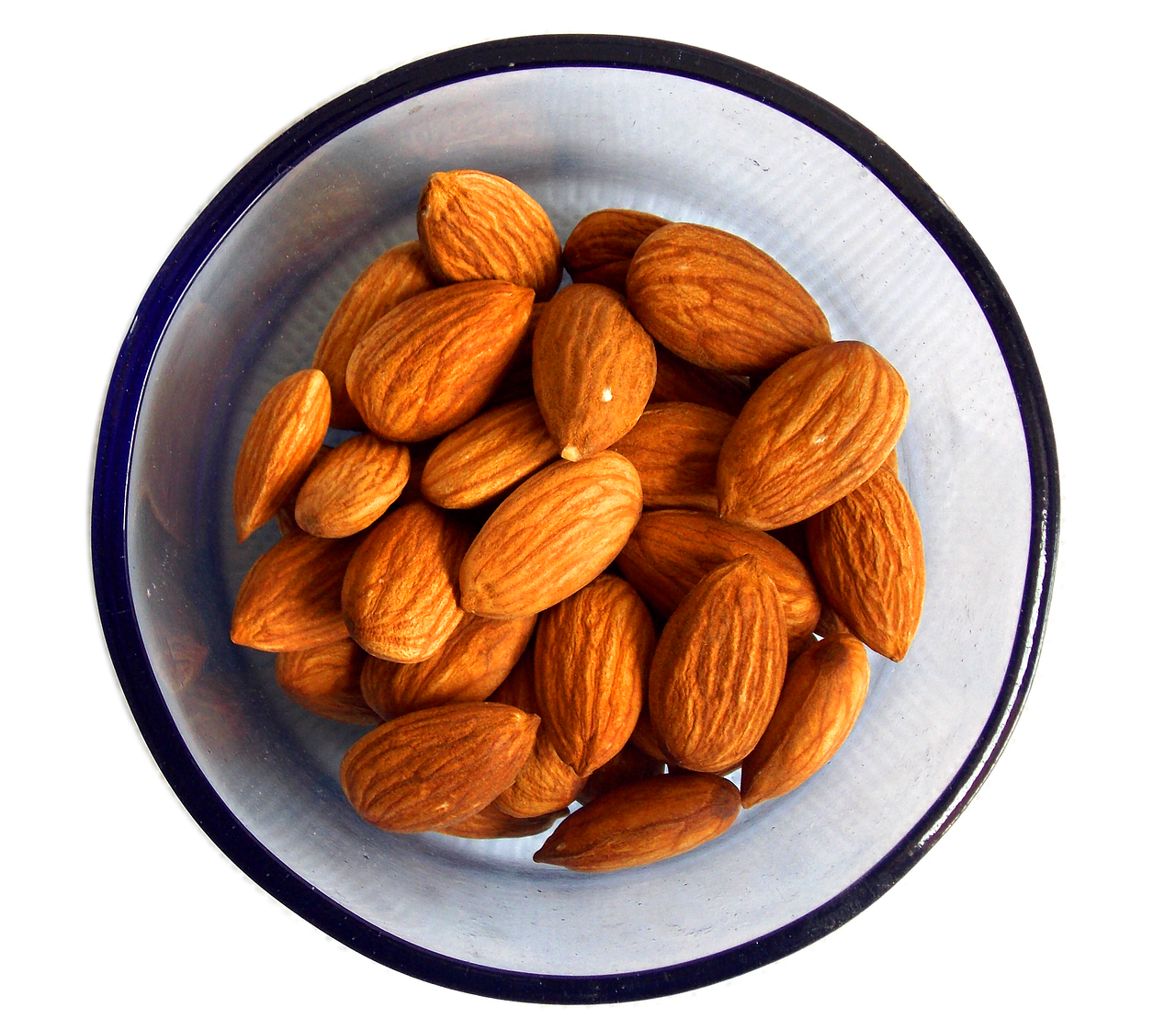
Understanding the role of fats in your post-workout nutrition is crucial for optimizing recovery. After a workout, your muscles are primed for replenishment, and many athletes focus on protein. However, fats are often overlooked, leading to questions about their effects. It’s important to assess if fats might hinder protein absorption after rigorous exercise. Some research indicates that fats can slow gastric emptying, which means food takes longer to enter the small intestine. This could impact protein digestion and absorption rates. Conversely, including healthy fats in your meals can provide additional nutrient absorption benefits. Healthy fats like avocados, nuts, and olive oil can effectively stabilize blood sugar levels, supporting sustained energy post-exercise. They are also vital in hormone production, including hormones critical to recovery and muscle repair. Understanding how fats affect protein absorption may help you make informed dietary choices to maximize recovery. Ultimately, a well-balanced meal that incorporates both protein and healthy fats promotes optimal healing and restoration after your workout, ensuring you’re ready for the next challenge.
In recent years, did you know that dietary fats have gained attention in discussions surrounding post-workout nutrition? Many individuals believe fats should be avoided immediately after exercise, fearing they may interfere with protein absorption. However, emerging research suggests that this may not necessarily be the case. Fats can contribute significantly to the overall nutrient profile of post-workout meals. While excessive fat consumption may delay protein absorption, moderate intake does not seem to impede nutrient uptake considerably. When included wisely, fats play a role in hormone regulation, making them essential for athletes. Moreover, they aid in the absorption of fat-soluble vitamins such as A, D, E, and K, enhancing the overall quality of nutrition consumed after a workout. This may be particularly beneficial for individuals looking to improve recovery and performance. A nuanced approach towards fat intake can lead to effective recovery strategies that aid performance. Balancing your macronutrients is key and helps individuals understand the importance of incorporating healthy fats into their post-workout meals rather than viewing them as a hindrance.
Another common misconception regarding fats in post-workout nutrition is that they contribute to the storage of body fat. Many believe that consuming fats post-exercise will hinder weight loss or lean muscle gain efforts. This perception overlooks the role that healthy dietary fats play in sustainable energy levels and overall health. In fact, fats can help with satiety, making it less likely that you will overeat subsequently. This balance could be vital in a weight management plan. Furthermore, fats like those found in fish, nuts, and seeds contain omega-3 fatty acids, known for their anti-inflammatory properties. Including such fats in your meals can enhance recovery, allowing the body to heal more efficiently. For athletes or active individuals, managing intake effectively is beneficial. A meal comprising protein, carbohydrates, and healthy fats ensures that the body receives the varied nutrients necessary for optimal performance. This holistic approach can change how one views recovery nutrition, leading to a healthier attitude towards food choices post-workout while also informing better habits over time.
Fats and Hormone Regulation
Hormone production plays a pivotal role in post-exercise recovery, and dietary fats significantly influence this. Testosterone and growth hormone, vital for muscle repair and growth, are synthesized from fats. Consuming proper sources of dietary fats post-workout supports these processes, positively impacting performance. Studies suggest that individuals incorporating healthy fats into their recovery meals often experience improved hormonal profiles. This positive hormonal balance aids in muscle recovery and synthesis, which is crucial for athletes and casual gym-goers alike. Omega-3 fats, in particular, have been noted for their role in regulating inflammation post-exercise. This regulatory feature not only contributes to better recovery but also promotes overall health. It is essential to prioritize healthy fats post-workout, especially if you’re aiming for muscle gain or enhanced recovery. These components can help stabilize energy levels, reinvigorating the body after a rigorous workout. Thus, understanding fat sources, such as avocados, nuts, or olive oils, is essential for enhancing post-exercise recovery through hormonal balance.
Despite the numerous benefits of fats in post-workout meals, it’s crucial to consider their quality and source. Not all fats are created equal, and understanding the difference between saturated and unsaturated fats can significantly affect your health. Unsaturated fats, found in foods like fish, nuts, and seeds, support heart health and increase the absorption of fat-soluble vitamins. In contrast, saturated fats from processed and fried foods can lead to health issues, making it essential to be mindful of your fat sources. Athletes should focus on incorporating healthy fat sources in moderation while prioritizing whole foods. Integrating these beneficial fats into your meal plan can optimize recovery while keeping energy levels steady. A simple way to enhance flavor and nutritional value is to add olive oil to a post-workout salad or enjoy a smoothie with nut butter. The dishes become tasty while still promoting recovery. In conclusion, choosing quality fats wisely provides numerous health advantages that support training and athletic pursuits.
Another aspect to consider is timing. The post-workout window, often referred to as the ‘anabolic window,’ emphasizes the importance of consuming the right nutrients shortly after exercise. However, this period is not solely about protein. The inclusion of healthy fats during this window can help sustain energy levels and positively impact recovery. It’s essential to note that the anabolic window may extend beyond the immediate post-workout period, extending several hours. Ensuring you consume wholesome meals throughout the day, balanced with proteins, carbohydrates, and healthy fats, is vital for long-term recovery goals. This holistic approach to meal timing ensures that the body continues to repair and rebuild throughout the day. Pairing protein shakes or meals with healthy fats can create a beneficial synergy, enhancing absorption. This strategy ensures that your body maintains amino acid availability, supporting muscle growth or repair processes long after you’ve left the gym. Thus, rethinking post-workout nutrition to include healthy fats becomes instrumental for optimal recovery and performance in the long haul.
Conclusion on Fats and Recovery
In conclusion, understanding the role of fats in post-workout nutrition is essential for anyone looking to improve their recovery and performance. While it is a common belief that fats hinder protein absorption, the reality is more complex. Healthy fats play a crucial role in hormone regulation, nutrient absorption, and overall recovery. By incorporating a balance of protein and healthy fats into post-workout meals, individuals can optimize their recovery processes. Additionally, focusing on the quality of fats consumed and their timing can provide athletes with numerous advantages over time. It’s important not to demonize or eliminate fats from your diet, as they are vital for sustaining energy and enhancing recovery. Instead, aiming for a well-rounded approach will facilitate better nutritional outcomes and improved athletic performance. Ultimately, educating oneself about the impact of dietary fats enables thoughtful and effective meal planning. Therefore, thriving physically may not only be about protein but rather about a harmonious balance. Finding the right proportions contributes significantly to overall health and fitness goals.
This article highlights the critical aspects of post-workout nutrition, particularly the role of fats. Recognizing their importance can empower individuals to make informed dietary choices, enhancing not only recovery but also performance. By embracing healthy fats and understanding their proper role in meals, meaningful benefits arise. Ongoing research into the interplay between fats and protein absorption reinforces the idea that it’s how macronutrients are combined, rather than eliminating fats, that supports athletic aspirations. As fitness enthusiasts recognize these principles, they can significantly improve their meal strategies and lifestyle adjustments to accommodate recovery needs. Listening to your body and adapting to its signals will ensure you’re adequately nourished after workouts. Remember, nutrition is not merely about consuming a specific macronutrient but rather cultivating an awareness that emphasizes balance among nutrients. This encourages individuals to develop personalized, healthful eating patterns that promote well-being. Through this understanding, the journey towards optimum recovery becomes not just biomechanical but also a holistic experience. Therefore, embrace the myriad benefits that fats bring to your nutrition plan and redefine your recovery meals for optimal results.