
Tips for Packing Light on Bikepacking Trips
Packing light for a bikepacking trip is essential for both comfort and efficiency. Start by choosing lightweight gear. Look for items made from materials like nylon or polyester. These fabrics are not only durable but also significantly lighter than traditional materials. Invest in gear that serves multiple purposes. For example, a multi-tool can replace various tools you might otherwise carry separately. When planning meals, select lightweight, high-energy food options that are easy to prepare. Dehydrated meals or energy bars are fantastic choices. They take up less space and have a longer shelf life. Clothing is another vital aspect of packing light; opt for moisture-wicking, quick-dry fabrics that can be layered easily. This allows you to adjust your clothing according to changing weather conditions. Remember to pack only the essentials, and if you can, leave behind anything that won’t have a clear purpose on your trip. This practice not only reduces weight but also simplifies your adventure, allowing you to enjoy the journey without feeling bogged down by excess gear. Planning strategically will lead to a more enjoyable bikepacking experience. Keep your focus on efficiency and utility.
Establish a packing list that focuses on necessity.
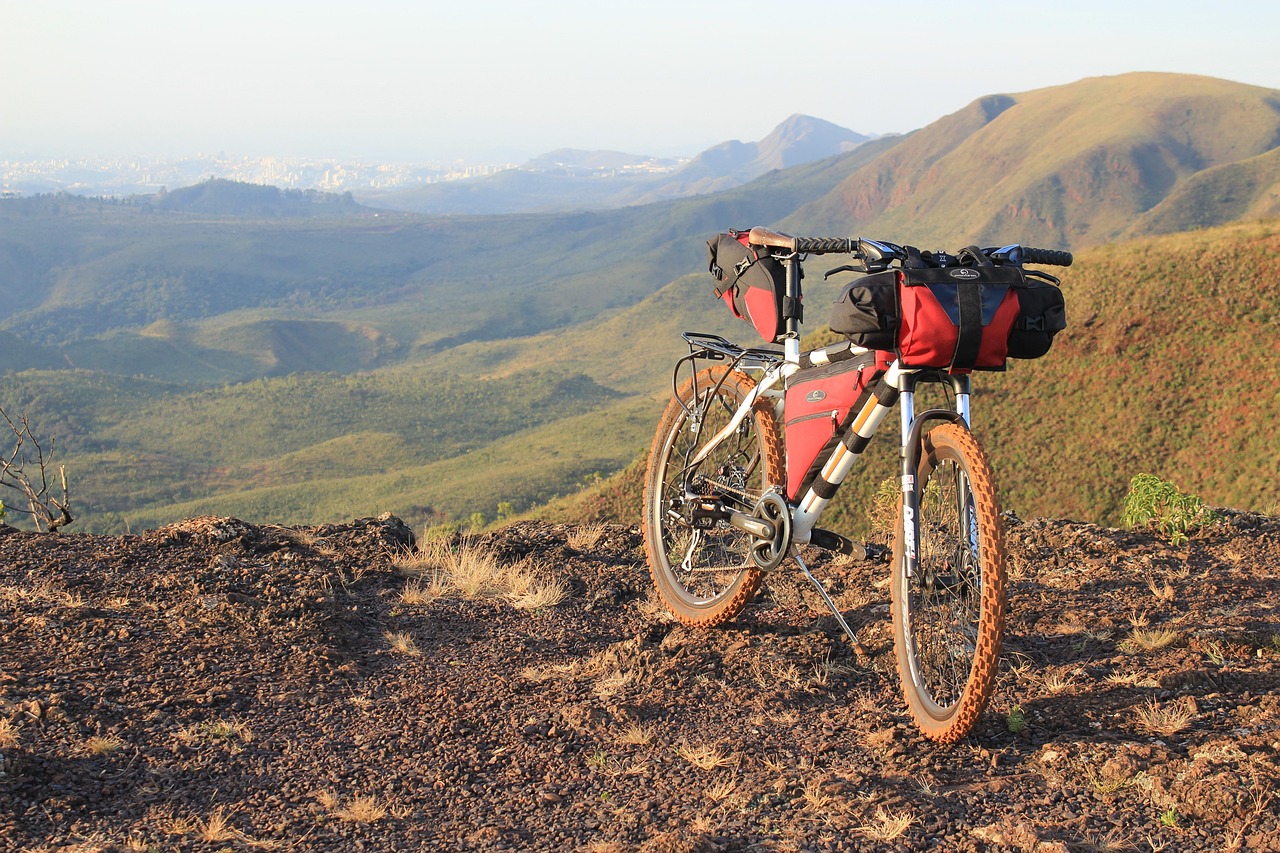
Use a checklist to keep track of what you’ll bring. This helps to avoid overpacking and ensures you don’t forget crucial items. Keep in mind your riding duration; plan accordingly. For short trips, you can afford to be more minimalist, while longer trips may require more consideration. Don’t underestimate the importance of hydration. Carry a lightweight water filter to refill when needed, or ensure you have plenty of water bottles that can easily fit within your bike frame. Opt for a sleep system that offers comfort without adding significant weight. A compact sleeping bag and sleeping pad are key to a good night’s sleep under the stars. If you’re expecting inclement weather, a lightweight waterproof jacket is essential but be sure to pack it in a way that is easily accessible. Utilizing bikepacking bags designed to minimize bulk is also beneficial. Frame bags, seat packs, and handlebar rolls can help distribute weight evenly across the bike. Focus on strategically placing heavier items low and towards the center for better stability while riding. This approach ensures a smoother ride as you traverse various terrains on your adventure.
Essential Gear for Bikepacking Light
Having the right gear is critical for light packing, as every ounce counts. Choose a trusty lightweight bike that fits well and suits your terrain. A well-fitted bike not only handles better but it’s also more comfortable over long distances. Pay attention to your tires; consider using either road tires for easier terrain or rugged tires designed for rough paths. Don’t overlook the importance of your gear’s capacity; soft-sided, water-resistant bags will help maintain a lightweight setup. Prioritize essential camping gear like a tarp or lightweight tent. Many of these items can double as shelters and gear storage. Make sure to test your equipment before relying on it for extended periods. Packing light also means knowing how to fix minor issues on the road. Familiarize yourself with basic bike repairs, as this reduces the need for bulky repair kits. Don’t forget a compact first aid kit that contains essential items like band-aids and antiseptic wipes. A compact stove will also simplify meal preparation while keeping weight low. Remember, the key to enjoyable bikepacking is to balance minimalism with practicality for every adventure.
Meal planning plays a huge role in packing light.
Consider how long you’ll be on the road as this will guide your food choices. Opt for nutrient-dense foods that are non-perishable and can be eaten with little to no cooking requirements. Snacks like nut butter packets, jerky, and trail mix are excellent for refueling while on the go. For cooking, invest in a lightweight camp stove that packs easily and is efficient. Bring only the essentials like a small pot or pan and a foldable utensil set. Remember to pack a lighter, waterproof matches, or a reliable fire starter for cooking and warmth. When it comes to meals, plan for one-cook meals when possible and incorporate leftovers into your next day’s meals. This reduces both weight and waste, contributing to efficient packing. Think about your cooking method based on the duration and terrain. Some areas might limit access to firewood or the resources needed to boil water. Being flexible with your cooking options will ultimately save you space and weight. Make the right choices in food will enhance your biking experience.
Clothing Considerations
Packing the right clothing is crucial in bikepacking. One of the best strategies is to layer your clothing. This method allows for maximum versatility while keeping your pack light. Base layers made of merino wool or synthetic materials will keep you warm and dry under various conditions. Add an insulating layer that breathes well, and don’t forget a water-resistant outer layer. Rain can strike at any moment, so packing a light rain jacket is essential. Ensure that each clothing item serves multiple purposes, such as a quick-dry towel that can double as a blanket or pillow. Consider merino wool socks for their antibacterial properties and comfort, as they can be worn multiple days without smell. Pack lightweight and compact footwear, free from excessive weight. Prioritize comfort over style when it comes to footwear. It’s advisable to include a pair of sandals for relaxing after a long day of biking. While packing clothes, always use packing cubes or compression sacks to save space and keep items organized. This practice will save you time while on the road, making it easier to find essentials without rummaging through your entire pack.
Maintaining a routine while packing is beneficial.
Develop a consistent packing strategy to streamline your efforts before trips. Keep your gear in designated places and return each item to its spot after use. When you finish using an item, clean it before stowing it away again. This habit will reduce the odds of forgetting items during future trips. When you pack, concentrate on weight distribution. Place heavier items lower in your bags to maintain a lower center of gravity. This tactic ensures better handling and stability while cycling. Remember not to store anything unnecessary in external pockets; external items can easily become lost or caught on brush. As a last step, always review your list one final time before you leave. Checking each item before you head out will help confirm that you have everything you need. It is also helpful to practice with all your gear as you pack to understand how it feels while riding. This becomes crucial for long-distance bikepacking trips to avoid discomfort. Thus, packing efficiently isn’t just about less gear; rather, it’s about intelligent and intentional packing for an amazing journey.
Final Thoughts on Packing Light
Ultimately, packing light for bikepacking trips creates a more enjoyable experience. The freedom to bike without unnecessary weight can enhance the feeling of adventure. Remember to prioritize comfort and functionality while selecting your gear. Being mindful of each item you bring ensures that you still have the necessary tools for your journey. Test different configurations and adjust based on feedback from each trip. Real-world testing provides insight into what works best for your personal biking style and preferences. Additionally, consider the terrain and length of your trip as this will influence your packing choices. Evaluate your strategy continuously to better streamline your future adventures. Allow the environment and your personal experiences to shape how you pack. Staying adaptable and learning from each venture will lead to greater efficiency over time. Embrace the spirit of exploration by finding new ways to ensure lighter packing on each bikepacking trip. Enjoy the thrill of your next journey; the lighter you pack, the more you can immerse yourself in the beauty surrounding you, making lasting memories that will inspire future bikepacking adventures.
Make the most of your bikepacking experience by constantly improving your packing strategies.