
The Science Behind Senior Fitness Myths and Facts
As the population ages, the importance of maintaining fitness in seniors has become a focal point for health professionals. However, various myths surround the realm of senior fitness, leading to misconceptions and potentially detrimental outcomes. Common myths like “seniors should avoid strength training” prevent older adults from engaging in beneficial physical activities. Strength training can enhance muscle mass, improve bone density, and enhance balance, aiding in fall prevention. Another prevalent myth is that cardiovascular exercise is unsuitable for seniors. In reality, moderate-intensity aerobic workouts can critically support heart health, boost endurance, and maintain a healthy weight. Walking, swimming, and cycling are excellent examples of exercises suitable for seniors. Additionally, some believe that older individuals shouldn’t engage in any physically demanding activities. Yet, proper exercise tailored to abilities can improve quality of life. Overall, understanding and debunking myths surrounding senior fitness is crucial for promoting healthy lifestyles among older adults. This can ultimately enhance their physical and emotional well-being, empowering them to lead active and independent lives. It’s clear that seniors have much to gain from fitness, making it vital to dispel the misunderstandings surrounding it.
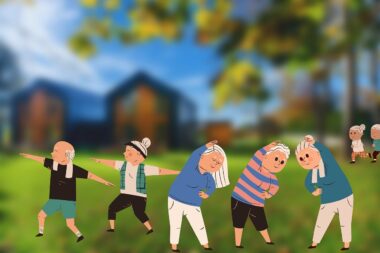
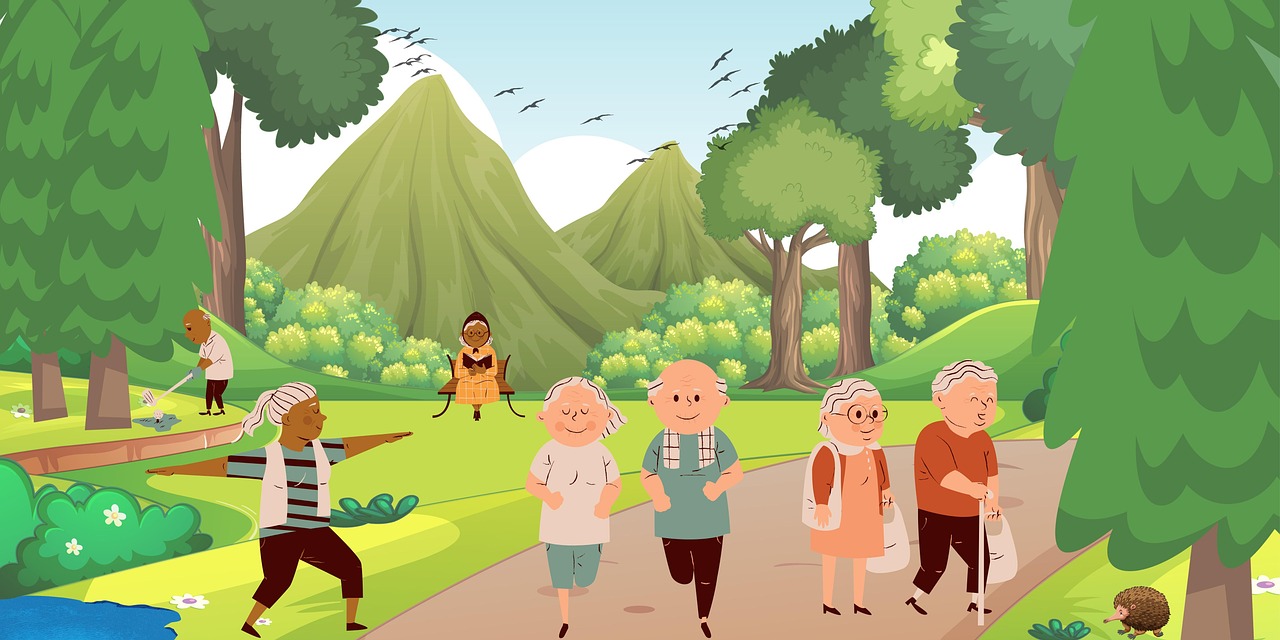
Another misconception prevalent in discussions about senior fitness is the idea that older adults cannot participate in high-energy sports or vigorous activities. This misguided belief fails to recognize the diverse range of fitness capabilities within the senior population. Many seniors successfully engage in activities such as hiking, cycling, and even dancing. Emphasizing enjoyment in fitness is crucial for motivation. The physical joy linked with these activities can promote regular participation, leading to improved overall health. Furthermore, it’s essential to highlight that with proper guidance and modifications, seniors can safely explore various fitness avenues. Many community centers offer tailored programs aimed at seniors, focusing on strength, mobility, and balance. Moreover, engaging in social aspects of fitness—like group classes—can foster a sense of community and reduce feelings of isolation. This social interaction is paramount for mental health, providing emotional support while promoting physical well-being. Ultimately, reframing the narrative around senior fitness can help dispel myths and encourage more inclusive fitness approaches. By offering a supportive environment, we can empower older adults to embrace active lifestyles that truly reflect their individual capabilities.
Nutrition plays a pivotal role in senior fitness, often overlooked in discussions focused predominantly on physical activity. Many believe that as people age, their dietary needs diminish, leading to unhealthy eating patterns. In truth, seniors require a balanced diet rich in essential nutrients to support their fitness and health goals. A diet high in proteins, fiber, healthy fats, and vitamins is critical for maintaining muscle mass, bone strength, and overall wellness. Additionally, hydration remains crucial; older adults may not feel thirsty even when their bodies require fluids. Education surrounding nutritional needs in seniors is vital for ensuring they receive adequate nutrients for physical activities. Also, incorporating foods with anti-inflammatory properties can aid in recovery and joint health, enhancing the overall exercise experience. Encouraging seniors to consult with registered dietitians can provide tailored advice based on individual health conditions. Overall, emphasizing the link between nutrition and fitness ensures that older adults are properly equipped to pursue their fitness journeys effectively. With the right nourishment, they can maintain higher energy levels and enhance their workout outcomes.
Strength Training Benefits for Seniors
One of the most significant aspects of senior fitness revolves around the advantages of strength training. Contrary to outdated beliefs, lifting weights is not only safe but also essential for seniors aiming to enhance their health and fitness levels. Engaging in strength training fosters muscle growth, which can counteract the natural decline in muscle mass associated with aging. Furthermore, strong muscles support better joint function, aiding mobility and overall physical independence. Research shows that strength training can contribute to better balance, a critical element for fall prevention among older adults. Falls can lead to severe injuries, impacting independence and quality of life. Incorporating resistance exercises, such as lifting weights, using resistance bands, or engaging in body-weight exercises, can have profound effects on seniors’ well-being. Moreover, strength training positively influences mental health, leading to improved self-esteem and reduced feelings of anxiety. With so many benefits, it is clear that this type of exercise should form a cornerstone of any senior fitness program. Customizable strength training plans can accommodate various fitness levels, making them accessible to all seniors eager to improve their fitness.
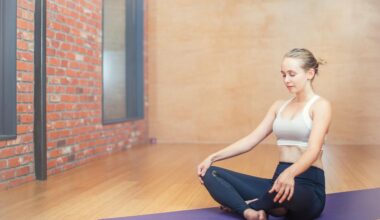
Flexibility and balance training is another critical component of senior fitness that often gets overshadowed by strength and aerobic activities. Many assume that this type of training is unimportant or challenging for older adults. However, maintaining flexibility and balance is vital for preventing injuries and ensuring functional mobility. Regular stretching routines can enhance flexibility, enabling seniors to move comfortably and remain active. Additionally, engaging in balance exercises can significantly reduce the risk of falls, a primary concern for seniors. Activities such as yoga, tai chi, or simple balance exercises can be incredibly beneficial. Community programs often offer specialized classes that focus on these skills, promoting both physical and mental well-being. It’s essential to highlight that practicing these exercises in a supportive environment encourages participation and fosters social interaction. Furthermore, consistent flexibility and balance training leads to better posture, reducing pain associated with remaining sedentary. Thus, incorporating these elements not only aids in injury prevention but also enhances overall fitness. Ultimately, a holistic senior fitness program should address flexibility and balance as vital components.
Overcoming Barriers to Fitness
Despite the advantages of maintaining an active lifestyle, seniors often face significant barriers. Common misconceptions can deter participation in fitness activities, including age-related perceptions about physical capabilities. Many older adults feel hesitant or intimidated to engage in exercise in a gym or group setting, fearing judgment or injury. It is crucial to address these concerns head-on by promoting awareness around tailored fitness programs designed specifically for seniors. Educating seniors about the various accessible options available in their communities enhances confidence and encourages participation in local classes. Online resources also provide valuable information and can assist in self-guided workouts. Moreover, tailored communication strategies addressing the specific needs of seniors can help alleviate apprehension surrounding exercise. Family support is key; enlisting loved ones to join in fitness activities creates a supportive atmosphere that reinforces the importance of staying active. Consistent encouragement and participation can promote lasting change. By breaking down the barriers that inhibit fitness in older adults, we can catalyze a shift towards healthier lifestyles, increasing the overall well-being of this demographic.
In conclusion, understanding the myths surrounding senior fitness is paramount for fostering a healthier, more active aging population. As we’ve explored, myths regarding strength training, nutrition, and participation in dynamic activities can create unnecessary barriers. With education and awareness, seniors can overcome these misconceptions and embrace a fitness routine that enhances their quality of life. Incorporating strength training, flexibility exercises, and balanced nutrition into their lives is critical for maintaining health. Moreover, community involvement and the development of supportive environments with understanding peers help seniors feel confident in their abilities. It’s important for families and caregivers to encourage older adults to engage in comfortable yet challenging exercises that match their fitness level. As we advocate for evidence-based approaches to senior fitness, we can collectively promote an active lifestyle that allows seniors to thrive well into their Golden Years. As they break away from myths and misconceptions, older adults can experience the joy and multitude of benefits associated with fitness. Together, let’s celebrate the importance of senior fitness for promoting holistic health and well-being.
Ultimately, creating a culture that encourages physical activity among seniors is essential for health and longevity. The ramifications of incorporating fitness into the lives of older adults extend beyond just physical health; they enrich their social, mental, and emotional well-being. Fitness facilities, healthcare providers, and community organizations should work together to create comprehensive programs that reflect the needs of seniors, offering classes specifically designed to empower active lifestyles. Promoting awareness of the advantages that fitness brings can drive a culture of enthusiasm surrounding senior health. By connecting seniors with local resources, technologies, and community activities, they can find the rhythm of healthy living and commit to a fitness lifestyle. With ongoing support and encouragement, older adults can establish themselves as active participants in their health journeys. As they dispel myths and face their doubts, they can build resilience and pave a pathway for healthier aging. Gradually transitioning into physically engaged lives can create a ripple effect on entire communities, showcasing what is possible when fitness becomes a priority for seniors. Together, we can harness the power of fitness to reshape lives and redefine aging.