
How to Train Safely During Different Seasons
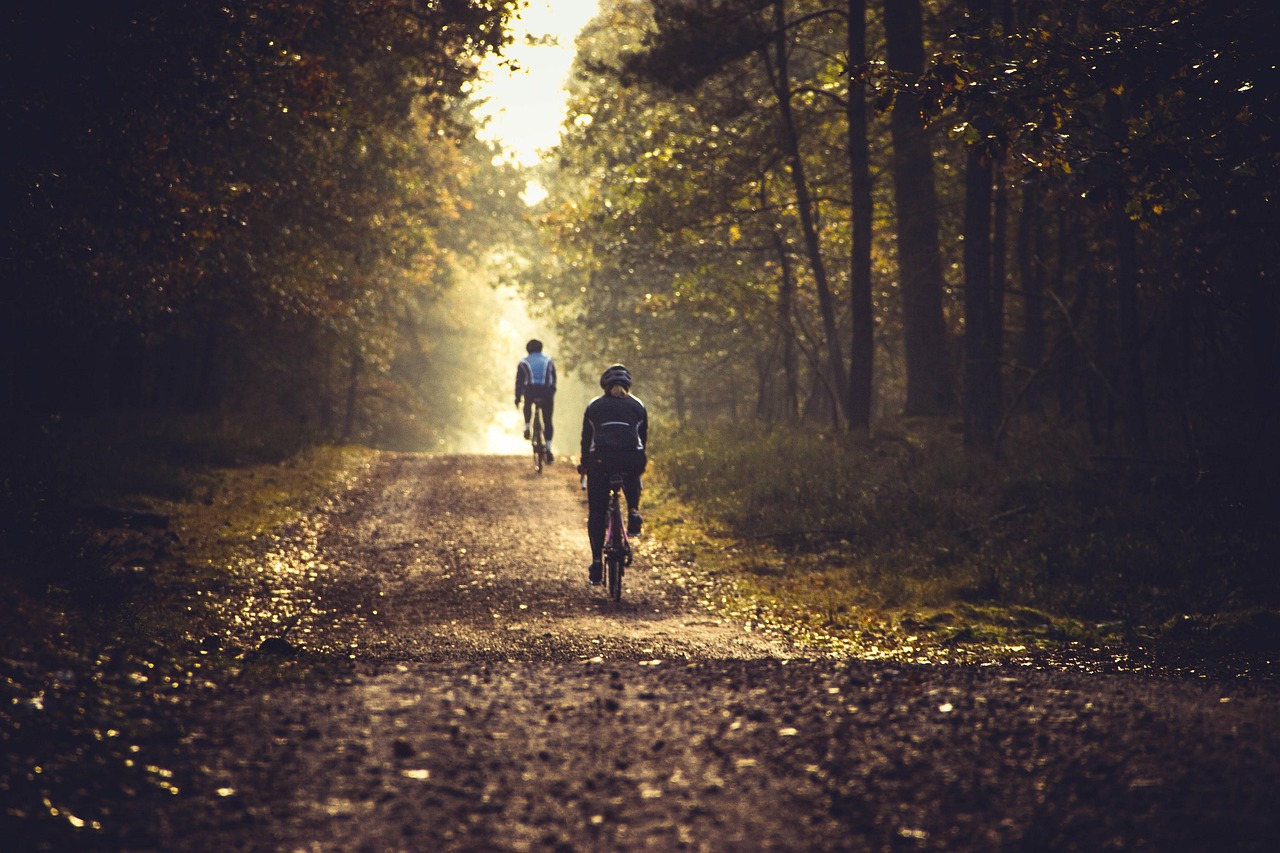
Training safely while cycling, especially during different seasons, is essential for preventing injuries and enhancing performance. In winter, ensure you’re equipped with proper gear, such as thermal cycling jackets and waterproof panniers. Cold weather can lead to muscle stiffness; thus, warming up indoors is beneficial. Plan your routes carefully to avoid icy roads, and consider wearing clipless pedals to enhance bike control. In spring, pay attention to rapidly changing weather conditions. Rain is frequent and can make roads slippery, so utilize tires suitable for wet conditions. It’s vital to remain visible and maintain space between you and other road users. Summertime presents unique challenges, including high temperatures and sun exposure. Hydration becomes crucial; ensure you drink water consistently throughout your ride. Cycling in early mornings or late evenings can help dodge peak heat. Autumn brings the joy of beautiful foliage, but the risk of wet leaves on roads increases too. Adapt your braking techniques and ride cautiously. Well-maintained tires and brakes will help provide better safety on varied surfaces.
Understanding the gear you use is necessary as well. During cold months, prioritize layering your clothing. Choose moisture-wicking materials to avoid chills after getting sweaty. Investing in quality cycling gloves and headgear can maintain your comfort level and enhance performance. In spring, conducting regular bike maintenance checks is crucial to assure safety. Keeping tires inflated to the correct pressure and lubricating the chain can prevent mishaps. Warm-up exercises targeted at the legs will help in increasing flexibility, reducing injury risk. In summer, sunscreen is a must; apply it generously before your rides to shield against harmful UV rays. Additionally, seeking shaded paths can significantly improve your experience. Autumn can usher in rain, so consider having your tools handy for any on-the-go fixes. Schools and families are among many on the trails; thus, staying alert is essential. Overall, the priority must always be your safety, with the usage of helmets and lights being essential. Familiarize yourself with traffic laws, especially in states with varying regulations. Understanding the seasons aids in crafting safer cycling habits.
Seasonal Nutrition Considerations
The nutritional requirements for cycling shift with each season. Staying energized is critical throughout the year, but different environmental factors may necessitate adjustments to your diet. In colder months, incorporate warm foods like soups, stews, and nutrient-dense root vegetables. These can help maintain body heat and energy levels. Additionally, fat intake may need to increase during winter months to support endurance. Incorporate healthy fats such as nuts, avocados, and olive oil into meals. In spring, as temperatures rise, your body craves hydration. Focus on fresh fruits and vegetables, which provide high water content, revitalizing your body after rides. Easily digestible carbohydrates, such as whole grains, also create sustained energy. Summer demands a focus on hydration because of increased temperatures. Electrolytes play a crucial role in this season; include sports drinks or electrolyte supplements during long rides. In autumn, focus on boosting your immune system with vitamin-rich foods like berries and pumpkin. Eating seasonally also contributes to a healthier diet and can enhance performance, so always look for fresh produce at local farmers’ markets.
Besides nutrition, staying motivated throughout seasonal training can be challenging. Establishing definite goals can aid in maintaining your focus. In winter, opt for indoor training options such as a stationary bike. You might consider joining a local club for social encouragement, enabling a sense of community even indoors. Transitioning to spring can invigorate your motivation with new challenges. Attending training camps or workshops on cycling techniques can also provide skills while meeting other cyclists. Preparing for summer events, such as cycling tours, can be rewarding and can create excitement for rides. During autumn, utilize the beautiful landscapes to inspire your riding. Exploring different trails and routes helps to combat monotony. Consider documenting your rides, which serves both as a motivator and a way to track your progress. Engaging in regular reflective practices, such as keeping a cycling journal, can provide insights regarding your training and experiences gained while cycling. This reflective activity will enhance your abilities and keeps the cycle of motivation moving throughout various seasons. Connecting with fellow cyclists throughout the year can also assist in cycling safely across different seasons.
Bike Setup and Safety Checks
Bike maintenance plays a vital role in ensuring a safe cycling experience, especially when the changing seasons bring different demands. Each season requires specific adjustments to ensure optimal safety and performance. Before hitting the road, conduct a thorough safety check. This includes inspecting the tires for adequate pressure and tread. Also, verify that the brakes are functioning correctly and that gears change smoothly without resistance. Clean and lubricate the chain regularly, especially after rainy rides. Winter can exacerbate wear due to grit and salt on roads, so washing the bike is crucial. In spring, pay attention to tire pressure and consider replacing worn tires as trails dry up. Summer rides may reveal overheating, so check that the frame, brakes, and components are clean and free from dirt, which can impede performance. Autumn’s wet conditions necessitate extra vigilance regarding tire traction. Invest in studded tires for winter rides, as they can enhance stability on icy roads. Whether the weather is fair or foul, your bike’s setup directly affects your safety and enjoyment, making thorough checks a priority before every ride.
Safety gear is crucial for different seasons as well. Always wear a helmet on your rides—its importance cannot be overstated. Summers demand wearing light and breathable clothing while ensuring reflective elements for visibility during evening rides. Opt for colored clothing suitable for summer as it helps you stay visible amid greenery. In autumn and winter, layers should consist of waterproof and wind-resistant materials, keeping in mind the varying wind chill. Investing in good quality reflective jackets can also enhance your safety during overcast days. Gloves should be chosen according to the weather. Cycling gloves in winter should be thicker, while lighter versions suffice in cooler summer evenings. Apart from personal gear, bike accessories such as lights, horns, and mirrors must be used to maintain higher visibility on roads. When riding in busy areas, be vigilant and anticipate potential hazards. Ensure your bike’s setup includes functional components since having a trouble-free ride promotes a positive experience. Cycling is enjoyable and can be a powerful workout; ensuring safety gear allows you to focus on performance and surroundings.
Final Insights on Seasonal Training
In conclusion, training for cycling during varied seasons enhances not only your cycling experience but also ensures safety. Always prioritize well-planned routes and aim to prepare for those seasonal changes. Adding different techniques to your training routine and embracing seasonal fun can lead to versatile skills. Networking with fellow cyclists and engaging in online communities also offers additional support. Sharing tips and experiences aids in growth and safety awareness. Continually assessing your goals throughout the year, while remaining flexible, can yield satisfying results. For every season, conduct safety checks and maintain open communication with local cycling groups. An essential takeaway through your cycling journey is to honor your body and mind to avoid overtraining. Listen to your body’s signals and adjust your training regimen as needed. Remember, different seasons could mean a learning curve as well. Enjoy unique rides while embracing growth opportunities during them all. Safety, nutrition, and proper motivation throughout these seasons can lead to achieving personal cycling goals, while camaraderie adds joy to this wonderful sport.
Seasonal cycling is more than just about riding; it’s about embracing changes in the environment while ensuring a safe experience. Planning ahead with checkpoints, routes, and consistent evaluations allows cyclists to prepare for any weather-related concerns. Understand that each seasonal attribute adds diverse challenges but can also enhance your overall experience. Learning how to adapt proves essential while embracing cycling through all conditions. Effectively managing time for maintenance checks and personal hydration promotes continued cycling enjoyment. Remember the joy and freedom cycling offers, making the challenges worthwhile. So embark on this journey, equipped with the right tools, techniques, and mindset to cycle confidently throughout the seasons!