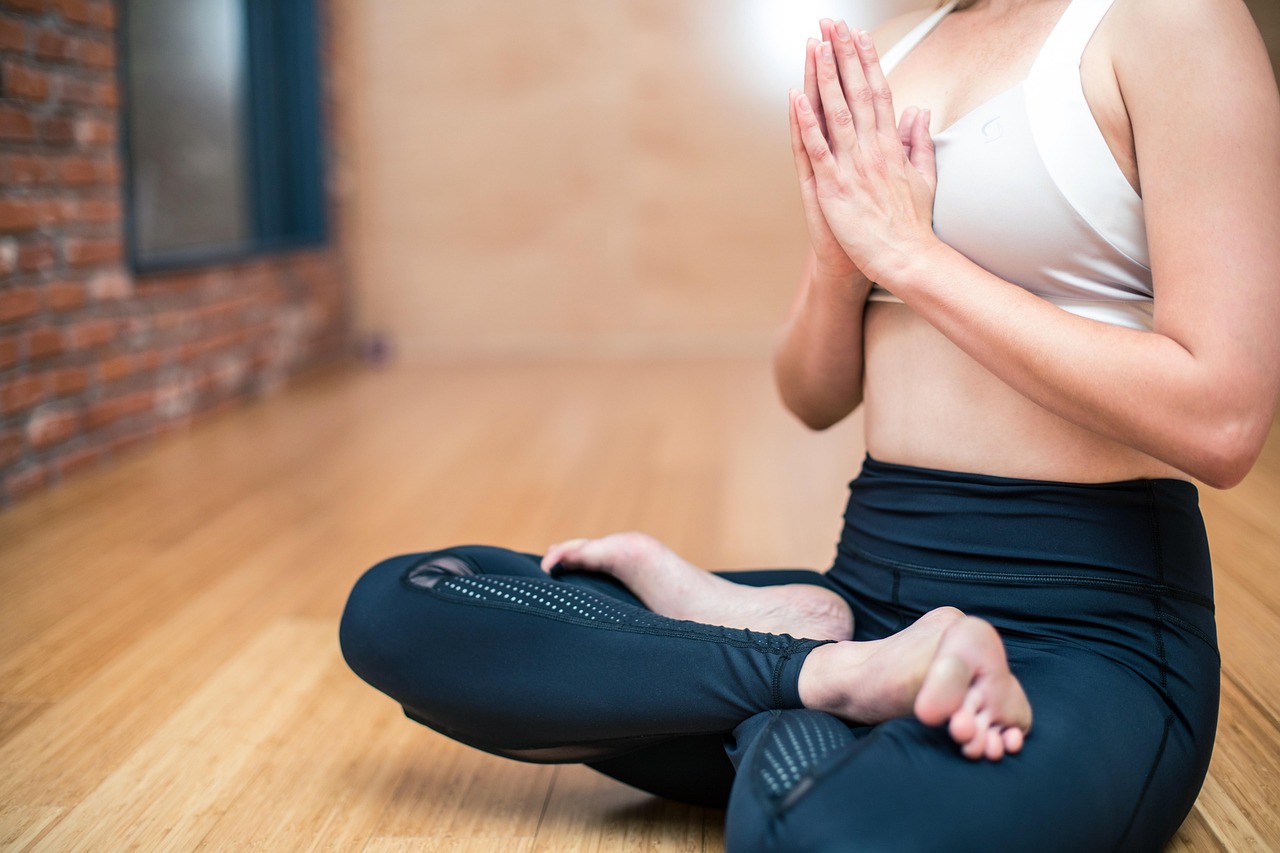

Incorporating Mindfulness into Adaptive Fitness for Better Mental Health
Mindfulness is increasingly recognized as a vital component in promoting well-being, especially for individuals with disabilities. It fosters a sense of awareness and enhances the connection between mind and body, making it a perfect fit for adaptive fitness programs. By integrating mindfulness practices into workouts, participants can not only improve their physical health but also their mental resilience. Research indicates that mindfulness can reduce stress, anxiety, and depression, ensuring individuals feel more grounded and centered in their daily lives. When adaptive fitness incorporates mindfulness exercises like deep breathing, meditation, or yoga, it allows participants to focus on their body’s capabilities rather than limitations. This shift in perception can lead to improved self-esteem and a greater sense of empowerment. Practicing mindfulness also encourages the development of coping strategies that individuals can use during challenges, thereby fostering a positive attitude towards their fitness journey. Overall, it’s important to create tailored adaptive fitness programs that integrate these mindfulness techniques to achieve holistic health benefits for individuals with various disabilities. By focusing on both mental and physical health, we can foster an environment of growth and resilience.
Adaptive fitness aims to create inclusive environments for everyone, particularly individuals with disabilities. Emphasizing the integration of mindfulness practices within such programs can transform the experience for participants. Strategies that include mindfulness training can enhance participants’ focus during physical activities, increasing mindfulness leads to improved body awareness, coordination, and control. This is particularly beneficial in adaptive sports where precision and mental clarity are essential. Additionally, incorporating mindful movements can help alleviate feelings of discomfort or frustration that sometimes arise during workouts. By directing attention inward, participants may navigate physical challenges with a calmer demeanor. This approach can prove especially useful in group settings, where social pressure might intensify performance anxiety. In this context, a shared commitment to mindfulness can create a supportive culture that encourages open dialogue about mental health. Moreover, this can foster connections among participants, promoting social inclusion and shared experiences. As adaptive fitness becomes more prevalent, integrating mindfulness practices will become crucial in addressing mental health needs and enhancing overall experiences. Building communities where individuals empower each other through fitness will lead to lasting changes in perceptions about disabilities and mental health.
Strategies for Mindful Adaptive Fitness
Implementing mindfulness into adaptive fitness can be achieved through various methods that cater to individual needs. One effective strategy is guided meditation, which can be introduced before or after training sessions. It allows participants to center their thoughts and prepare mentally for the physical challenges ahead. Incorporating mindful breathing exercises can also be beneficial during workouts. These exercises enable participants to regulate their heart rate and find balance, particularly during intense activities. Another component is the practice of gratitude. Encouraging participants to acknowledge their progress, no matter how small, fosters a more positive mindset. This shift helps them appreciate their strengths and skills, enhancing their motivation to continue. Additionally, engaging in reflective journaling can be an insightful practice for participants to track their emotional and physical development over time. A supportive instructor can facilitate discussions about these experiences, helping participants feel connected. By adopting these strategies, adaptive fitness programs can create a nurturing environment that prioritizes mental health alongside physical fitness. This holistic approach encourages participants to view their fitness journey as a source of empowerment, self-discovery, and emotional well-being.
Moreover, introducing group activities that incorporate mindfulness can significantly enhance participants’ experiences in adaptive fitness. Group mindfulness sessions, such as collective meditation or yoga classes, create a sense of community and belonging. These shared experiences can lead to friendships that further support mental health. The bond formed between participants fosters encouragement and motivation, proving vital in maintaining commitment to fitness routines. In tandem with yoga, adaptive equipment can facilitate movement, ensuring inclusivity for individuals with varying abilities. Such activities not only improve physical health but also cultivates mental resilience as participants share their journeys, challenges, and achievements. Mindfulness in group settings also encourages open discussions regarding mental health, allowing individuals to process emotions collectively. Creating an atmosphere where vulnerability is accepted can dismantle stigma associated with mental health challenges. This nurturing environment helps foster connection and empathy among participants, making the adaptive fitness experience deeper and more enriching. In the end, active participation in mindful group activities enables individuals to develop lasting relationships that positively influence both physical and mental well-being, promoting a thriving community dedicated to growth and acceptance.
The Role of Instructors in Mindful Adaptation
The role of fitness instructors in facilitating mindfulness in adaptive fitness cannot be understated. Instructors set the tone for their sessions by creating a safe and supportive environment for participants. They must be equipped with skills and knowledge to adapt mindfulness techniques effectively to individual needs. This requires a deep understanding of both adaptive fitness principles and mindfulness practices. Instructors should also implement inclusive communication styles that encourage open dialogue, allowing participants to share their feelings and concerns. Offering modifications and alternatives during fitness sessions is essential in catering to various levels of ability among participants. Moreover, instructors can introduce mindfulness concepts into their cues during workouts, prompting participants to focus on their breathing, movements, and sensations within their bodies. As role models, instructors have the opportunity to inspire participants to embrace self-care and resilience. They should also engage in continuing education about mental health and mindfulness strategies. By fostering a culture of acceptance and understanding, instructors can promote lasting change in participants’ lives. Empowering individuals through mindful adaptive fitness ensures that mental health becomes a key component of the overall fitness narrative.
To ensure the success of incorporating mindfulness into adaptive fitness, measuring outcomes becomes crucial. Programs should track both physical and mental health metrics to understand the impact of mindfulness practices fully. Surveys, participant feedback, and assessments can provide valuable insights into how mindfulness influences mental well-being in adaptive fitness settings. Data collected can reveal trends in participants’ self-reported levels of stress, anxiety, and overall satisfaction, guiding future program enhancements. Furthermore, qualitative feedback can help identify specific mindfulness techniques that resonate most with participants, fostering a more responsive and attuned fitness environment. As fitness programs evolve, adapting based on this feedback is essential to ensure they meet the changing needs of participants. Additionally, fostering partnerships with mental health professionals can create a holistic support network for individuals engaging in adaptive fitness. These professionals can contribute valuable insights into the mental health implications of physical activity and mindfulness practices. By consistently assessing and refining mindfulness-based strategies, adaptive fitness programs can create a foundation of enduring mental health benefits that empower individuals for years to come.
Conclusion: A Holistic Approach
Promoting mindfulness within adaptive fitness represents a significant opportunity to enhance mental health outcomes for individuals with disabilities. By recognizing the connection between physical activity and psychological well-being, fitness programs can pave the way for holistic health approaches. Mindfulness practices encourage self-awareness, self-compassion, and resilience, all of which contribute to a more positive experience within fitness environments. Moreover, the communal aspect of mindful adaptive fitness fosters connection, empathy, and understanding among participants, creating enriching relationships that extend beyond workouts. As we continue to explore the numerous benefits of combining mindfulness and adaptive fitness, it becomes clear that embracing this approach will yield profound changes in participants’ lives. Instructors play a pivotal role in creating inclusive spaces where mindfulness flourishes alongside physical challenges. Overall, nurturing environments that integrate both mental and physical health aspects can transform lives, fostering growth, acceptance, and empowerment for individuals with disabilities. Ultimately, the journey toward improved mental health through adaptive fitness is one of resilience, self-discovery, and community, making it a truly rewarding pursuit for all involved.