
Functional Fitness Exercises that Reduce Stress
Stress is a common part of modern life, and finding effective ways to manage it is essential. One approach that can be beneficial is incorporating functional fitness exercises into your routine. Functional fitness refers to exercises that mimic everyday movements, such as bending, lifting, or squatting. These exercises can be particularly helpful for stress relief as they not only improve physical fitness but also enhance mental well-being. Activities like lifting weights, bodyweight exercises, and balance training can lower stress hormones and trigger the release of endorphins. By engaging in functional fitness, you cultivate a balanced body, which can help manage stress more effectively. Whether you’re working out in a gym or at home, these exercises can be adapted to suit your environment. Through a consistent practice of functional workouts, individuals can gain confidence in their physical abilities, leading to a sense of accomplishment. Ultimately, functional fitness empowers you to tackle life’s challenges, both physically and mentally, contributing to stress reduction and overall improved quality of life.
A popular method for incorporating functional fitness into stress relief is through circuit training. Circuit training combines a series of exercises performed back-to-back with minimal rest, which keeps your heart rate up while engaging multiple muscle groups. Exercises to include in a circuit might be squat jumps, push-ups, lunges, and planks. These workouts not only boost physical strength but also promote cardiovascular health, reducing stress levels in the process. In addition to enhancing physical resilience, the varied nature of circuit training keeps you engaged and mentally stimulated. As you progress and build endurance, you’ll likely experience increased self-efficacy, contributing further to stress relief. It’s crucial to listen to your body while participating in circuit training, ensuring you’re using proper techniques to avoid injury. By gradually increasing the complexity of exercises, you can maintain motivation and challenge yourself. Make sure to incorporate recovery days into your routine so your body can repair itself, optimizing performance and improving mental focus. A well-rounded workout plan that includes functional exercises and circuits can help foster a healthier, more balanced lifestyle alongside reducing stress significantly.
Yoga and Mindfulness Integration
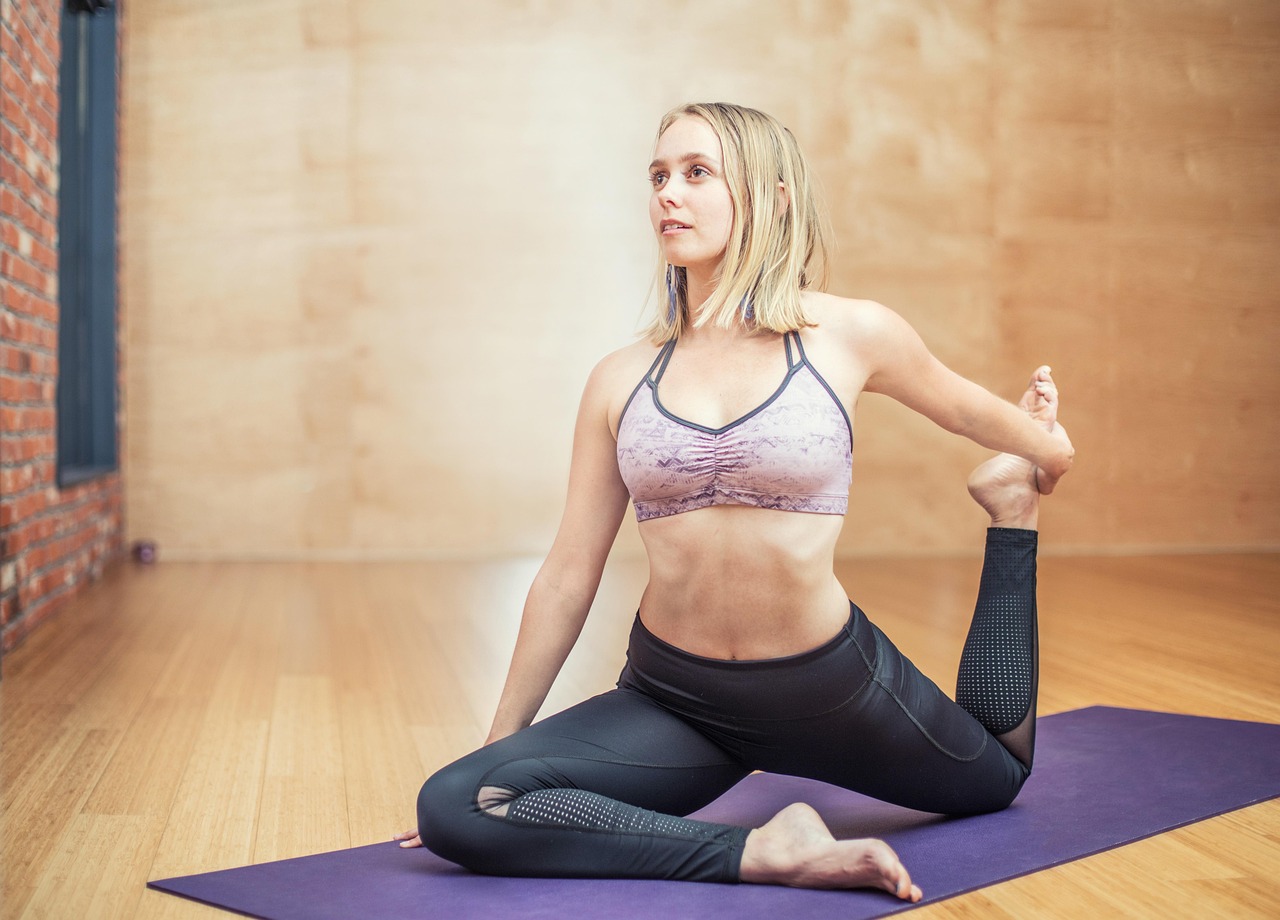
Yoga is another powerful practice that aligns with functional fitness and has significant benefits for stress relief. The combination of physical poses, controlled breathing, and meditation creates a holistic approach to mental well-being. Yoga helps to improve flexibility and strength while allowing for introspection and emotional release. By incorporating mindfulness techniques during your yoga practice, such as focusing on breath and body sensations, you can further enhance its stress-relief effects. Popular yoga styles include Hatha, Vinyasa, and Yin, catering to different preferences and physical abilities. Whether you opt for a vigorous flow or a restorative session, the mental focus required during yoga practice helps distract from stressors and grounds you in the present moment. Regular engagement in yoga can foster resilience, adaptability, and inner peace, which are essential tools in managing stress. As you develop a consistent practice, you’ll become more attuned to your body’s needs, enabling better stress response. Additionally, practicing yoga in groups can enhance connection and community support, further aiding in stress relief and emotional well-being.
Strength training also plays a crucial role in relieving stress through functional fitness exercises. Engaging in resistance training helps to build muscle and increase bone density while releasing feel-good hormones. Activities such as squats, deadlifts, and bench press not only enhance physical strength but also improve self-esteem and confidence. This increase in confidence can be especially important in managing stress as it empowers you to feel capable of handling various challenges. Many people find that the focus required during strength training allows them to momentarily disconnect from daily worries, leading to mental clarity. When combined with proper rest and recovery, strength training creates a positive feedback loop that reinforces a healthy lifestyle. Being mindful of proper form is essential to preventing injury and maximizing benefits. Incorporating a variety of strength exercises targeting different muscle groups can keep routines fresh and engaging. Furthermore, setting personal goals within your strength training journey can provide motivation and a sense of purpose, helping to ward off stress and anxiety while boosting overall mental health.
Outdoor Activities for Enhanced Mood
Being outdoors while practicing functional fitness can significantly amplify stress relief. Engaging in exercises like hiking, cycling, or rock climbing allows you to connect with nature and escape from daily stressors. Nature has a proven calming effect on the mind and body, reducing cortisol levels and promoting relaxation. For instance, hiking not only improves cardiovascular fitness but also allows for moments of mindfulness as you immerse yourself in the various sights and sounds around you. Similarly, cycling promotes both aerobic health and is an exhilarating way to explore new areas. Rock climbing adds a strong element of focus and problem-solving, keeping your mind engaged while exerting physical strength. By participating in outdoor workouts, you can enjoy fresh air, natural light, and a sense of freedom, all of which contribute to improved mental health. Additionally, forming connections with friends or joining outdoor fitness groups can further enhance your mood, providing valuable social interaction. Making outdoor fitness part of your routine can significantly alter your perspective on stress and promote a more relaxed state of mind.
Combining functional fitness with breathing exercises can also provide immense stress relief benefits. Deliberate and mindful breathing can trigger the relaxation response in the body, counteracting stress. Incorporating breathing techniques during your workouts not only enhances physical performance but also enhances mental clarity and calmness. Techniques such as diaphragmatic breathing or box breathing can be easily integrated into many workouts. For example, practice inhaling during the eccentric phase of an exercise and exhaling during the exertion phase for optimal oxygen flow. This mindfulness during exercise encourages a more profound connection between body and mind, promoting a greater awareness of physical sensations. Over time, regular practice can lead to improved stress management and emotional regulation, creating resilience against daily stressors. It’s also beneficial to dedicate time purely to breathing exercises outside your main fitness routine, as this creates a dedicated space for mental relaxation. Combining functional fitness with breathwork can enhance your overall workout experience, making strides in both physical and mental health.
Community Engagement in Fitness
Incorporating functional fitness into group activities, such as fitness classes or team sports, can significantly enhance motivation and provide emotional support. Exercising in a community setting fosters camaraderie and accountability, both of which are great for stress relief. As you engage with others, socialize, and share your fitness journey, you create bonds that offer emotional resilience and support. Group classes targeting functional fitness, like boot camps or circuit training, push you to reach new limits while providing a fun atmosphere. Having others around can help reduce feelings of isolation often linked to stress. The environment of teamwork and shared goals enhances the sense of achievement, which can significantly improve your mood. Additionally, participating in community events allows you to contribute to a cause while engaging in functional fitness. This gives you a purpose and aids in shifting your focus from personal worries to the collective good. Emphasizing community in your fitness journey not only fosters a supportive structure but also creates lasting relationships that enhance the stress relief experience.
Ultimately, embracing functional fitness exercises is a holistic approach to managing stress effectively. By incorporating strength training, yoga, outdoor activities, and group engagement, you’re empowering both your body and mind. Each exercise offers unique benefits that contribute positively to overall well-being, paving the way for a healthier lifestyle. The adaptability of functional fitness means that you can tailor your approach based on personal preferences and needs, ensuring a sustainable practice. As you embark on this fitness journey, focusing on consistency rather than perfection is essential for long-term success. Set realistic goals, celebrate small victories, and prioritize recovery to maintain balance. Engaging in functional fitness not only reduces stress but also fosters resilience, adaptability, and self-awareness. Embracing community support enhances the experience, creating connections that provide additional emotional strength. By committing to a functional fitness routine, you are investing in your mental health, fostering a strong mindset, and equipping yourself with the tools to navigate life’s challenges more effectively. Begin implementing these practices to unlock your potential, reduce stress, and cultivate a more fulfilling lifestyle.