
Comparing Outdoor Cold Exposure and Controlled Cryotherapy
The fitness industry continuously evolves, embracing innovative methods. One such method gaining traction is cold exposure therapy. Cold exposure can be broadly categorized into two primary types: outdoor cold exposure and controlled cryotherapy. Outdoor cold exposure involves activities outside in naturally cold climates, while controlled cryotherapy is usually performed in specialized facilities. Both methods claim to provide various health benefits to fitness enthusiasts and athletes alike. Some of these benefits include improved recovery times, decreased inflammation, and enhanced athletic performance. Moreover, they may assist in mental health by reducing symptoms associated with anxiety and depression. As an athlete or fitness lover, understanding these practices is crucial to making informed decisions about your regimen. Knowing your body’s responses to both techniques can help you determine which approach aligns with your goals, preferences, and environmental factors. By delving deeper into the specific methodologies, benefits, and limitations of each approach, you can better assess which cold exposure technique suits you. This article aims to clarify these two methods, highlighting their nuances and encouraging optimal wellness lifestyle choices.
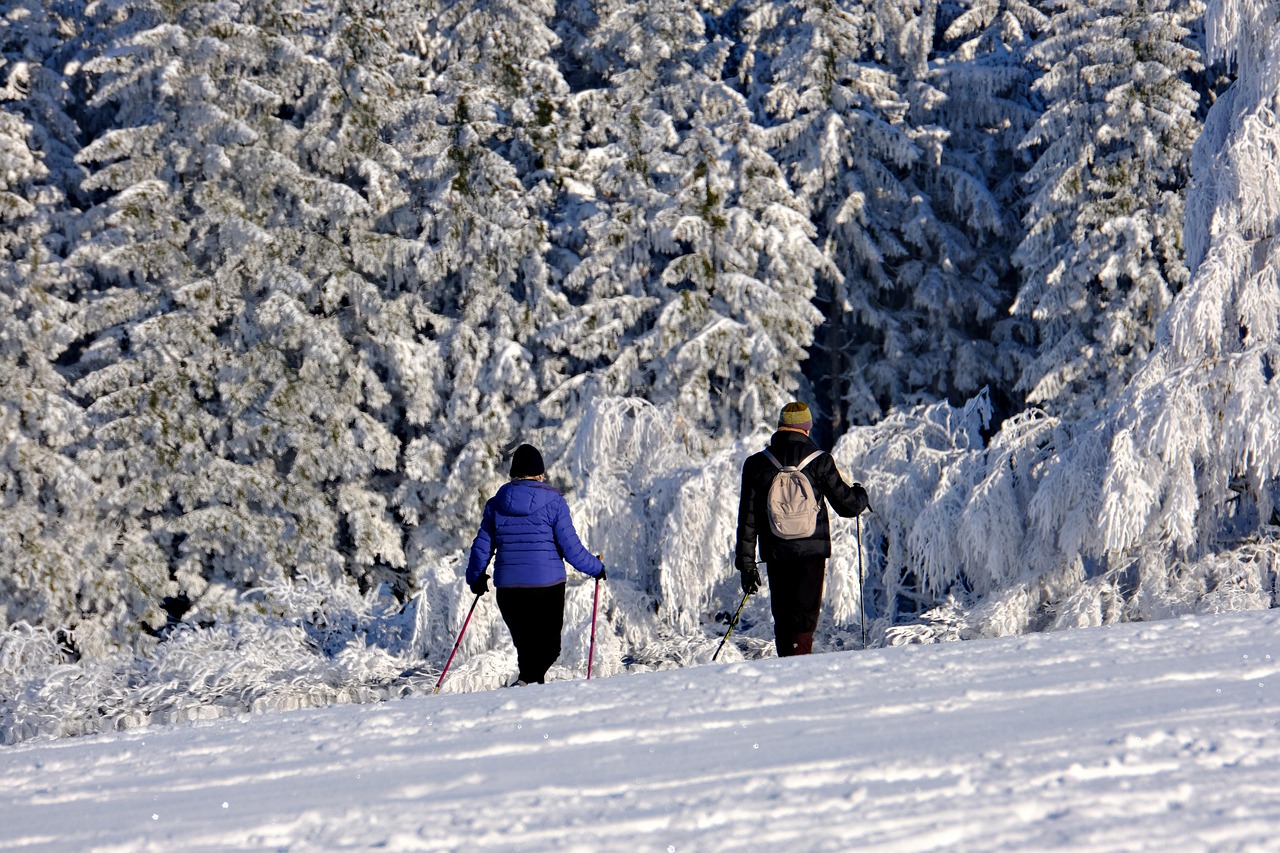
Outdoor cold exposure often fascinates those who enjoy nature. Camping, hiking, or participating in cold-water swimming can be both invigorating and challenging. This method allows an individual to engage directly with the natural elements, promoting a deeper connection with their environment. Exposure to cold weather can improve blood circulation, boost immune responses, and promote endorphin release. However, this exposure can also have potential risks, such as frostbite or hypothermia. To mitigate these risks, individuals should be well-informed and adequately prepared with suitable clothing and knowledge of their limits, slowly acclimating to the cold over time. The comfort levels vary from person to person, so each person must discover their optimal cold exposure duration to ensure safety. Although outdoor cold exposure can be beneficial for physical health, it may not offer the precise benefits as controlled cryotherapy. Moreover, environmental factors, such as extreme temperatures and wind chill, may influence outcomes significantly. Thus, carefully navigating the experience can lead to fulfilling journeys into the realms of outdoor cold exposure therapy, unlocking the potential physical and psychological benefits.
Understanding Controlled Cryotherapy
Controlled cryotherapy entails utilizing advanced technology to apply cold therapy more methodically. Popularized in recent years, this approach delivers precise temperature control and consistent conditions. Sessions can vary in duration but typically last between three to five minutes in specialized chambers. These chambers expose the body to temperatures ranging from -110°C to -140°C. While outdoor cold exposure relies on environmental conditions, cryotherapy delivers a standardized experience. The controlled environment ensures safe participation without the risks related to unpredictable weather. Regular cryotherapy sessions may significantly contribute to reducing muscle soreness and inflammation for athletes or active individuals. Furthermore, proponents argue it aids in boosting metabolic rates, with thermogenesis sparking calorie burning. Advances in research on cryotherapy are ongoing, and various studies have showcased varying results. Not everyone experiences the same benefits, so consulting professionals regarding suitability is essential. Additionally, while cryotherapy is generally considered safe, potential side effects can arise. Users may experience skin irritation, temporary numbness, or discomfort during the process. Ultimately, it is crucial to weigh these factors against personal preferences and fitness goals.
The comparison of outdoor cold exposure and controlled cryotherapy requires an analysis of efficacy. While both techniques provide different treatment atmospheres, outcomes often depend on individual preferences and needs. For example, those focusing on immediate treatment for muscle soreness may prefer cryotherapy, while nature enthusiasts often enjoy outdoor exposure’s refreshing aspects. Furthermore, individuals living in warmer climates may find cold exposure useful when seeking contrast therapies to maintain balance. However, outdoor cold exposure typically involves planning for specific weather conditions. Thus, accessibility becomes a crucial consideration. Cryotherapy facilities, while prevalent, may require access through fitness centers or wellness clinics. Therefore, availability plays a role in determining feasibility for interested individuals. Each option presents unique advantages and challenges; thus, understanding your personal circumstances is vital for making an informed choice. It’s recommended that those new to cold exposure methods start gradually, listening to their bodies and ensuring their safety is prioritized. Whether you lean towards outdoor cold exposure or controlled cryotherapy, exploring both options can lead to finding a beautiful balance, ultimately enhancing your fitness journey and supporting overall health.
Final Thoughts on Cold Exposure Therapy
In summary, both outdoor cold exposure and controlled cryotherapy provide distinct paths to experiencing the benefits of cold exposure therapy. The choice you make should align with your personal lifestyle, fitness goals, and preferences. Each method offers unique advantages and challenges, making it essential for individuals to evaluate their circumstances thoughtfully. Engaging with outdoor cold exposure can foster a robust connection with nature, promoting wellness beyond physical benefits. Conversely, controlled cryotherapy offers methodical treatment options in a safe environment, making it highly appealing for those who prioritize consistency. To reap the most significant benefits from either approach, ensure proper preparation, including learning about safety protocols, potential risks, and your body’s response. Coupled with core fitness practices, these cold exposure methods can contribute to a broader wellness strategy. As research continues to take place in the fitness field, more evidence will emerge about the long-term effects of these approaches. Stay informed, and don’t hesitate to consult health professionals for personalized advice and guidance about integrating cold exposure therapy into your routine.
Undoubtedly, the cold exposure methods mentioned offer a chance for significant improvements in both physical and mental health. While controlled cryotherapy is beneficial for compressed treatments and immediate relief, outdoor cold exposure can yield robust experiences that also promote mindfulness. For individuals looking for holistic approaches, integrating both techniques over time could result in maximizing benefits garnered from each treatment. For instance, combining outdoor activities with occasional visits to cryotherapy sessions creates a well-rounded regimen. This versatility allows for exploration, movement, and recovery tailored to individual preferences and goals. Furthermore, community support for these activities, such as local cold water swimming groups or fitness classes, can foster camaraderie and motivation. Engaging with others can provide encouragement, enhance commitment, and add enthusiasm to your efforts. Remember, every individual’s journey in fitness should be unique and personal, paving the way for exploration and discovery amid various methods. Embrace cold exposure therapy with open arms, and connect with others on similar paths to wellness while sharing experiences that inspire personal growth.
Resources for Cold Exposure Therapy
As interest in cold exposure therapy grows, numerous resources aid individuals exploring these practices. Books, online forums, and guidance from fitness professionals can offer valuable insights and information. Start by researching scientific literature to understand the benefits and methodologies of each technique. Websites and blogs dedicated to fitness trends often share user experiences and results from various cold exposure methods. Additionally, many fitness centers nowadays incorporate cryotherapy services, providing a practical way to experience this treatment in a controlled environment. If interested in finding local outdoor cold exposure groups, consider joining community fitness programs or social media platforms focused on sweat and recovery efforts. Both activities not only enhance fitness practices but also foster social connections among like-minded individuals pursuing similar goals. Most importantly, always remain open to experimentation while monitoring your body’s reactions and responses. Keeping track of your experiences, adjustments made, and any progress observed allows for informed choices on future sessions. Building a strong foundation of knowledge ensures you can approach cold exposure therapy optimally. Combining information with personal experimentation offers a robust opportunity to enhance your wellness journey significantly.
To conclude, cold exposure therapy continues unfolding as a key aspect within the fitness industry, leading to extensive exploration and discussions among fitness enthusiasts and professionals alike. As more individuals prioritize their health, methods like outdoor cold exposure and controlled cryotherapy are more accessible than ever before. Understanding your preferences, goals, and the potential implications of engaging in both practices will be essential for getting the most from your experiences. With ongoing research, future advancements may shed light on the capabilities and perspectives surrounding cold exposure therapy. Knowledge is a powerful tool in making informed choices that align with personal wellness aspirations. As we continue to uncover the intricacies connecting cold exposure and overall health, be prepared to embark on the journey of enhancement through informed decisions. Ultimately, it’s all about staying active, engaging in recovery practices that resonate with you, and fostering a balanced approach to well-being. Whether you opt for the invigorating experience of nature or the precision of cryotherapy, the choice is yours to create a fulfilling fitness path.