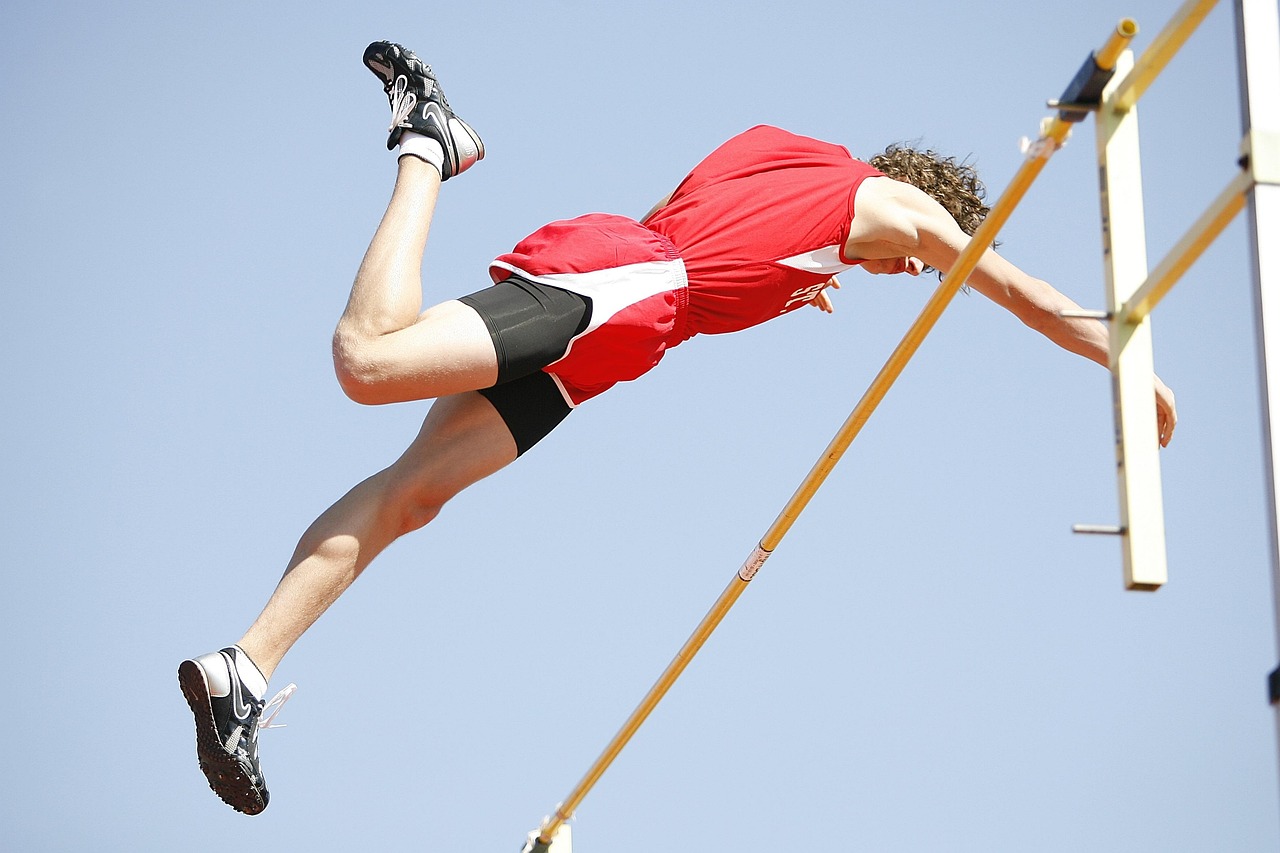

How to Handle Competition Stress in Youth Pole Vaulting
For youth athletes, especially in disciplines like pole vaulting, competition can be a significant source of stress. Learning to manage this stress is crucial for both performance and well-being. First, it’s important to acknowledge that feeling anxious or pressured is a common experience among athletes. Coaches and parents can help by creating an environment that emphasizes fun and development over winning. Engaging in positive self-talk can reinforce confidence. Athletes should practice affirmations that focus on their abilities. Techniques such as visualization can be beneficial, allowing them to imagine successful vaults. Another key strategy is to encourage relaxation methods. Practicing deep breathing or mindfulness can lower heart rates and create calm before a competition. Also, having a routine before the event can help reduce unpredictability. Athletes should develop warm-up rituals that include physical activity and mental preparation. Proper goal setting can also alleviate pressure. Goals should be SMART: Specific, Measurable, Achievable, Relevant, and Time-bound. Setting incremental goals helps athletes focus on their journey rather than just the outcome, fostering a healthier perspective on competition. Overall, a supportive community and preparation can greatly enhance stress management.
Understanding the Psychology of Competition
Understanding what triggers competition stress is essential for youth athletes. Pressure often stems from internal expectations or external pressures from parents, coaches, or peers. It’s vital for young athletes to distinguish between healthy and harmful competition. Healthy competition can motivate, promote growth, and help build resilience. However, excessive pressure can lead to anxiety and burnout. The fear of failure can be paralyzing during an event, breaking concentration and impacting performance. To alleviate this, athletes can benefit from working closely with a sports psychologist. These professionals can develop mental skills programs tailored to their needs. They teach effective strategies, including goal setting and stress reduction techniques. These skills help athletes control their thoughts and emotions, leading to better performance outcomes. Parents and coaches can assist by maintaining open communication with the athletes. Discussing feelings of stress should be normalized, helping them feel less isolated. Furthermore, enjoying social aspects of the sport fosters a positive environment. Youth pole vaulters should remember that their value is not solely in their achievements. Rather, fostering passion and enjoyment in pole vaulting encourages a lifelong love for the sport.
An important part of managing competition stress is focusing on preparation and training. Youth athletes should be encouraged to establish a comprehensive training regimen. This includes technical skills, physical condition, and mental training components. Emphasizing the importance of consistency can build confidence leading into competitions. Regular practice helps athletes connect with their equipment and enhance muscle memory for better execution. By approaching pole vaulting as a craft, athletes can develop a sense of mastery over their skills. Incorporating simulations of competition scenarios during practice can also aid in acclimatization. Athletes can engage in mock competitions to experience the same pressures in a controlled environment. This familiarity can diminish anxiety when facing real competitors. Additionally, incorporating team practices encourages camaraderie, fostering a supportive environment. Cultivating friendships within the team can bolster morale, making the sport more enjoyable. Furthermore, constructive feedback from coaches should focus on personal bests rather than comparisons to others. This mindset shift can sustain motivation and diminish performance anxiety. Athletes who view competitions as opportunities for growth rather than evaluations perform better under pressure.
Building Mental Resilience
Mental resilience is a vital skill for youth pole vaulters facing competition stress. This involves developing a growth mindset, where setbacks are seen as learning opportunities. It’s crucial to teach athletes how to rebound from failures positively. Encouragement to reflect on performance, regardless of the outcome, can help foster this mindset. Keeping a training journal may assist in documenting progress and personal feelings about performances. This reflection can highlight areas of improvement while celebrating accomplishments. Regularly recognizing small victories builds confidence, reinforcing resilience. Moreover, constructing a supportive network of friends, family, and mentors contributes to psychological well-being. When athletes strive to meet their own standards rather than others, they create internal motivation. Encouraging athletes to share their concerns can alleviate burdens, promoting openness. Maintaining perspective during competitions prevents anxiety from ballooning. Athletes can remind themselves that pole vaulting is one aspect of life, and their identity comprises multiple elements. Practicing gratitude prior to competitions can help shift focus from pressure to appreciation for the sport. Additionally, recognizing the hard work dedicated to training can validate efforts beyond outcomes. Resilience develops through practice, patience, and building robust relationships.
Dealing with injuries and setbacks is another aspect of handling competition stress in youth pole vaulting. Injuries can be particularly disheartening, leading to frustration and fear of returning to performance. It’s crucial for young athletes to understand that setbacks are a normal part of any sport. Having a plan for recovery not only strengthens physical healing but also supports mental health. Coaches can help instill this understanding by emphasizing injury as an opportunity for growth. Focusing on alternative training methods during the recovery period keeps athletes engaged and committed. Cross-training can maintain fitness levels while protecting the specific injured area. Furthermore, mental rehearsals during recovery can help athletes visualize their progress, keeping motivation alive. Communication with healthcare professionals is essential to ensure athletes are following prescribed recovery protocols. This proactive approach builds trust and accountability. Parents should also encourage patience, reinforcing that returning to full form takes time. Celebrating small milestones throughout the recovery journey helps maintain a positive outlook. Furthermore, teaching stress management techniques specific to injuries can ease anxiety. Whether through relaxation exercises or simple mindfulness practices, these strategies help athletes regain confidence as they transition back to competition.
Creating a Supportive Environment
In youth pole vaulting, a supportive environment is crucial for effectively managing competition stress. Coaches and parents play an essential role in creating this atmosphere. Open communication encourages athletes to express their fears and stressors without judgment. Programs should instill a culture where every athlete feels valued, promoting teamwork and camaraderie. This unity raises spirits and alleviates the pressure individuals may feel. When isolated feelings of competition arise, having a support system allows for sharing experiences and encouragement. Parents can show support by attending competitions, cheering on sportspersons, and focusing on effort rather than results. Moreover, fostering connections with peers helps athletes cultivate friendships. These bonds often lead to mutual support during competitions and training sessions. Beyond personal interactions, youth programs should provide workshops and discussions on mental wellness. Regular sessions led by experts can introduce coping strategies such as breathing exercises or stress management plays. Also, connecting athletes with role models or former pole vaulters can impart valuable insights. Creating a holistic approach within athletic programs empowers youth athletes to develop resilience and thrive in competitive environments.
Ultimately, handling competition stress in youth pole vaulting is a multi-faceted approach involving preparation, understanding psychology, building resilience, and fostering supportive relationships. By creating a safe and supportive context that prioritizes mental well-being, young athletes can cultivate their love for the sport. Establishing routines that incorporate relaxation techniques and visualization enhances athletes’ confidence during competitions. Coaches should create a nurturing atmosphere that celebrates individual improvements and encourages open discussions. Parents should reinforce the importance of balance in life, reminding youngsters that their worth does not solely derive from their athletic performances. Setting the right goals not only improves focus but also fosters motivation through achievements. Through targeted programs that address the psychological aspects, youth pole vaulters can manage stress effectively. This groundwork not only contributes to athletes’ performance but also builds lifelong skills they can carry beyond sports. By emphasizing teamwork and support, coaches can ensure that every athlete enjoys their experiences. The framework employed will encourage young athletes to overcome obstacles, ultimately shaping resilient competitors capable of thriving under pressure in the world of athletics.
In conclusion, efficiently managing competition stress in youth pole vaulting promotes overall development. Coaches, parents, and peers are indispensable in supporting this journey. Through their combined efforts, youth athletes can become not only exceptional performers but also resilient individuals. Helping them navigate competition stress builds confidence and life skills that extend beyond sports arenas. Engaging them in reflective practices and empowering discussions create strong foundations for future challenges. Practicing gratitude, fostering mental resilience, and openly communicating experiences are invaluable elements of this process. Building a culture that prioritizes mental health will also lead to long-term benefits for athletes. Such initiatives benefit individuals and contribute positively to sports culture. As young athletes learn to cope with stress, they will approach competition with a healthier mindset, focused on growth rather than pressure. This transformation can significantly impact their performance and perspectives in life. The journey of managing stress will enable them to enjoy the sport more, paving the way for sustained interest and participation. Ultimately, youth pole vaulting will flourish in an environment that values well-rounded athletes capable of handling competition with strength and grace.