
5-Minute Breathwork Practices for Busy People With Anxiety
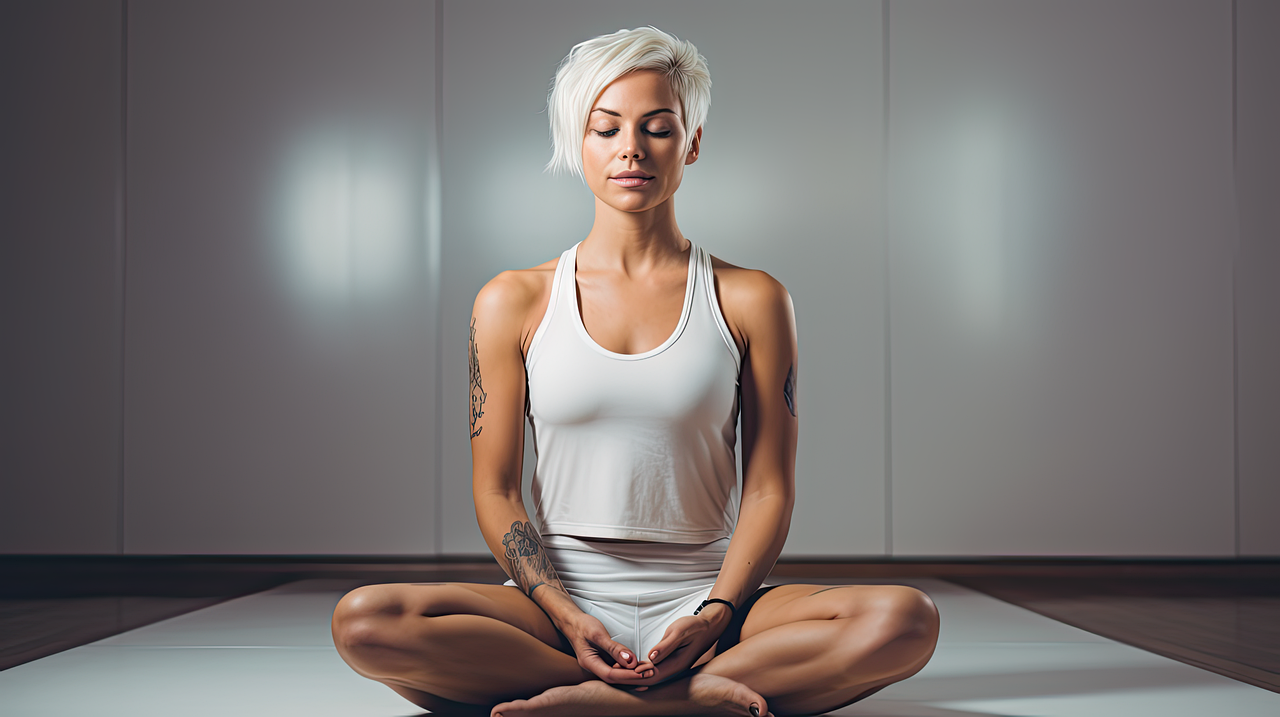
In our fast-paced world, anxiety can creep in when we least expect it. Simple breathwork practices can help ease anxious feelings quickly, especially for those with busy lives. A 5-minute session is often all you need to recalibrate your mind and body. Start by finding a comfortable seated position, ensuring your back is straight. Gently close your eyes to reduce any distractions around you. Focus on your breath as you inhale through your nose, allowing the air to fill your belly, then exhale smoothly through your mouth. Repeat this cycle, emphasizing relaxing your shoulders and neck with every exhale. You can enhance the practice with calming music or silence depending on your personal preference. This simple technique can be done anywhere, whether you are in your office or at home. Remember, the purpose of breathwork is to bring awareness to your breathing. Over time, you’ll notice how this practice enhances your well-being. Keep a journal where you can jot down your feelings before and after each session to track progress. Consistency is key, so incorporate this exercise into your daily routine.
Let’s explore a specific technique called the “4-7-8 Breathing” method, which is particularly powerful for immediate relief from anxiety. To begin, sit comfortably and exhale fully through your mouth. Close your eyes and inhale quietly through your nose for a count of 4. Hold your breath for a count of 7, feeling your body relax. Finally, exhale completely through your mouth for a count of 8, making a whoosh sound. This sequence should be repeated for a total of four cycles. The 4-7-8 technique works to decrease anxiety by promoting relaxation and reducing feelings of distress. It acts by slowing heart rate and calming your mind. You don’t have to devote a long period. Just a few minutes can result in significant improvements. Try to practice in a calm environment, free from interruptions. Over time, you may find this method not only helps in moments of anxiety but becomes a valuable tool in your everyday life as well. Making this a habit can empower you to handle stress more effectively and promote better mental health.
Diaphragmatic Breathing for Grounding
Another effective technique is diaphragmatic breathing, which focuses on engaging the diaphragm instead of shallow chest breathing. This is essential for those experiencing anxiety, as it grounds you in the present moment. To practice, lie down on your back in a serene space or sit in a comfortable chair. Place one hand on your chest and the other on your belly. Inhale deeply through your nose, directing the air toward your diaphragm. You should feel your belly rise while your chest remains still. Hold this breath briefly, then exhale slowly through pursed lips. This practice invites deep relaxation and can alter your body’s response to stress. Aim for about 5 minutes each day or whenever you feel overwhelmed. Diaphragmatic breathing not only reduces anxiety but also improves overall lung capacity and oxygen delivery throughout your body. It can set a positive tone for your day or help you to unwind in the evening. To deepen the practice, combine it with visualization, imagining a peaceful scene while you breathe.
You might also enjoy the “Box Breathing” technique, which is highly effective for managing anxiety quickly. This practice involves four simple steps, making it an excellent option for those with limited time. Start by sitting comfortably in a quiet space where you can concentrate. Breathe in through your nose for a count of 4. Hold your breath for another count of 4. Exhale through your mouth for a count of 4. Finally, pause for a count of 4 before repeating the cycle. Focus on the rhythm of your breath during each phase. Box breathing can assist in recalibrating your nervous system and enhancing your focus. It’s particularly useful before high-pressure situations, such as meetings or presentations. Incorporating this practice into your routine, perhaps during breaks or as a morning ritual, can lead to sustained anxiety relief. Practicing regularly creates a sense of calmness and may help you respond to daily stresses with greater serenity. Track your experiences in a wellness journal, noting insights or changes in your state of mind over time.
The Power of Visualization Combined with Breathwork
Combining breathwork with visualization can amplify its effects, providing a richer experience for reducing anxiety. It’s effective for those who have a visual imagination, allowing you to create mental imagery that promotes relaxation. In this routine, as you engage in deep breathing, picture yourself in a tranquil environment, such as a beach, forest, or a peaceful mountain landscape. Imagine the sights, sounds, and smells of this peaceful place. As you breathe in, visualize positive energy filling your body, and as you exhale, imagine releasing stress and anxiety into the air. This synergy encourages your body to relax while your mind wanders to a soothing mental space. Practice this for 5-10 minutes daily to cultivate a sense of peace that can permeate your day. Maintaining a visual connection can help trigger peaceful feelings even amid life’s challenges. Additionally, consider incorporating affirmations or positive thoughts as part of this visualization to further enhance relaxation. Use your breath to anchor these thoughts and allow them to flow through you.
Incorporating breathwork into your daily life doesn’t have to be daunting. A simple approach is to set alarms or reminders to engage in these exercises throughout the day. For instance, align your sessions with routine activities, like breaks at work or while waiting in line. By doing so, you create a habit without needing extra time set aside. Each session, regardless of its length, reinforces your ability to cope with stress. It encourages mindfulness and promotes a deeper connection between your mind and body. Embrace the flexibility of this practice, enabling you to respond more resiliently to anxiety without feeling overwhelmed. Remember to stay patient with yourself as you build this habit, as growth takes time. Consider documenting your reflections to track your progress and capture emotional shifts over time. This method of self-monitoring will highlight the positive impact breathwork has on your anxiety levels. Gradually, as you engage with these exercises, you’ll likely notice increased clarity and presence in your life. Allow your experience to guide your ongoing journey toward peace.
Conclusion and Encouragement to Breathe
In conclusion, integrating simple breathwork practices into your daily routine can empower you to manage anxiety effectively. These 5-minute techniques are designed for busy lives, ensuring you find moments to connect with your breath amidst chaos. Whether opting for diaphragmatic breathing, box breathing, or visualization, each practice provides an opportunity to cultivate calmness. Over time, you’ll learn which methods resonate with you best, allowing for a personalized approach to anxiety relief. Remember the importance of consistency; dedicating even a few minutes can make a considerable difference in your mental state. Breathe deeply and allow it to become a natural part of your day. Consistent practice can improve not only your anxiety levels but can also benefit your overall well-being, leading to a more balanced life. Celebrate progress, no matter how small, as each breath you take signifies growth. Share your experiences with loved ones, inspiring them to explore breathwork as well. The journey toward anxiety relief through breath is accessible for everyone, so start right now! Your pathway to tranquility is just a breath away.