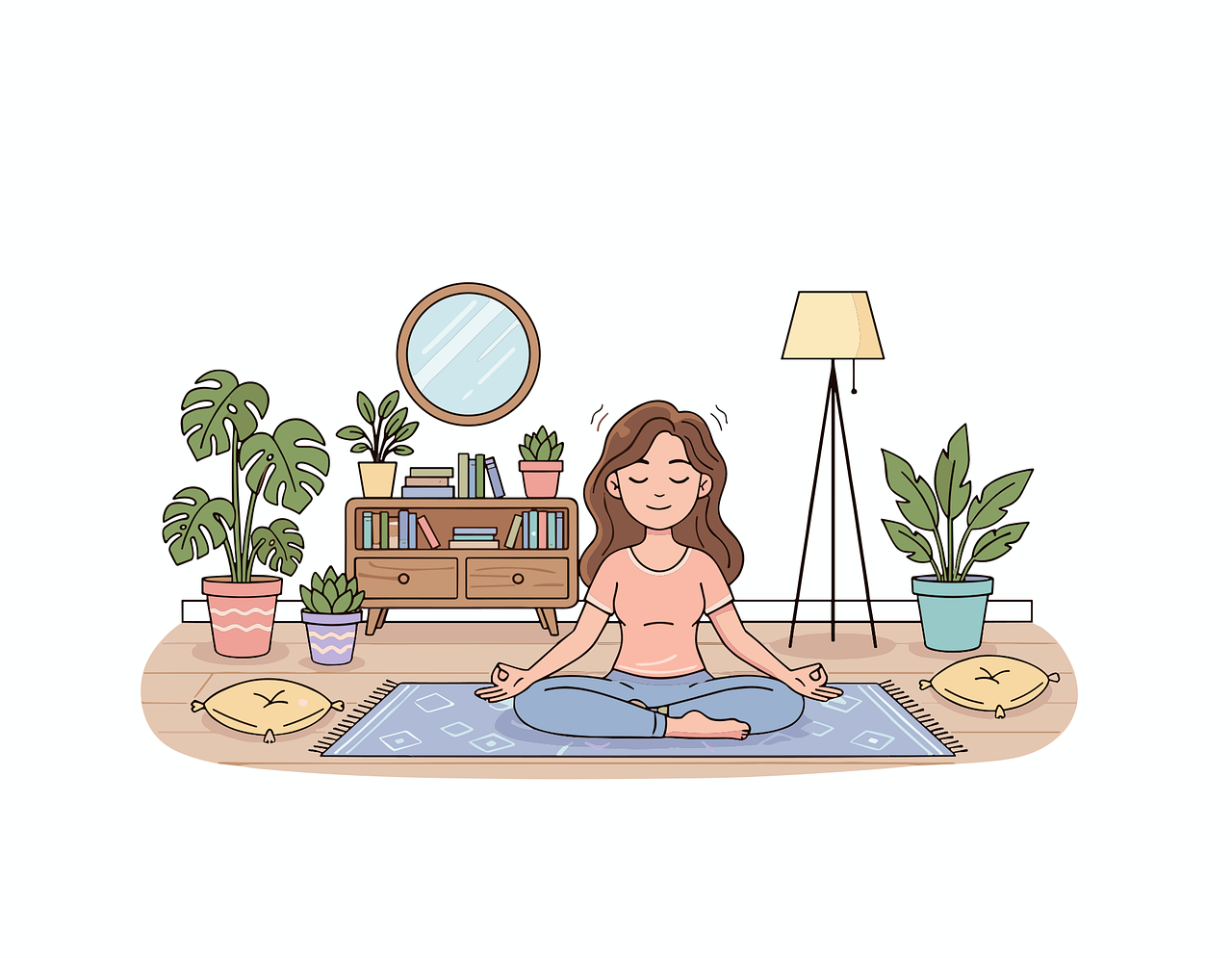

Yoga for Enhancing Mental Health: Beginner Tips
Yoga serves as a powerful tool for improving mental health, especially for beginners seeking balance. Starting a yoga practice can seem daunting, but its benefits can transform your mind and body. Begin by cultivating awareness of your breathing. Breath control, known as pranayama, is fundamental in yoga practice. Focusing on your breath helps reduce anxiety and stress. Make a habit of practicing mindfulness by observing your thoughts without judgment. This practice of observation can lead to greater self-acceptance and peace. Incorporating gentle poses like Child’s Pose and Cat-Cow not only stretches your body but also calms the mind. Consider integrating short meditation sessions at the end of your practice, even for just five minutes. This quiet time allows your mind to settle and reflect. Joining a yoga class can also provide support and community, making your journey easier. Be patient with yourself; progress takes time and consistency. Listening to your body’s signals will guide you to modify poses as needed. With practice, you’ll find yourself gradually more centered and confident, positively impacting your mental health through yoga.
Setting intentions is a crucial part of any yoga practice, particularly for enhancing mental well-being. Before starting your session, take a moment to reflect on what you wish to achieve. This could be reducing stress, embracing self-love, or simply finding more calm in your life. Write down your intention on a notepad and keep it nearby as your reminder throughout the practice. To deepen your experience, use positive affirmations that resonate with your goals, such as “I am calm” or “I am worthy of peace.” Repeat these affirmations during your practice to harness their power. Practicing yoga regularly establishes a routine, giving your mind and body the stability they crave. Aim to practice at least two to three times a week, starting small if needed. Create a dedicated space in your home where you can practice without distractions. Let this space become your personal sanctuary, enhancing focus and tranquility. Encourage yourself by tracking your progress, noting improvements in flexibility or mental clarity. With each session, allow yourself to embrace the stillness, as this is where true healing begins.
Breath Awareness and Mindfulness
Our breath serves as a bridge between the body and mind, making breath awareness essential in yoga. Begin with a simple exercise: find a comfortable seated position, close your eyes, and focus solely on your breath. Inhale deeply through your nose, expanding your diaphragm, and exhale slowly through your mouth. This exercise should feel effortless; if it becomes challenging, gently return your focus to the breath. Practicing this technique for just a few minutes can significantly alleviate feelings of anxiety. Additionally, consider engaging in yoga nidra, a form of guided meditation, which promotes profound relaxation. During yoga nidra, you’ll listen to a teacher’s voice, allowing thoughts to drift away while your body enters a restful state. This practice has numerous mental health benefits and can help ease insomnia or stressful thoughts. Over time, your breath work will lead to better emotional regulation, reducing impulsivity and enhancing mood. As you continue your journey, make a commitment to honor your breath; it’s a tool that can anchor you in moments of distress or uncertainty, fostering a lasting sense of peace.
As beginners, understanding basic yoga postures is essential for enhancing both your physical and mental health. Familiarizing yourself with foundational poses, such as Downward-Facing Dog, Warrior II, and Tree Pose encourages a stronger connection with your body. Each pose has unique benefits, such as grounding energy, building strength, or promoting flexibility. For example, Warrior II opens the hips and encourages bravery and confidence, which can boost mental clarity. Consistently practicing these poses, even for short sessions, can cultivate a sense of accomplishment over time. Furthermore, remember that it’s okay to modify poses to fit your comfort level. Props like yoga blocks and straps can offer the needed support as you explore adjustments. It’s important to avoid pushing your body beyond its limits, as this may lead to frustration or injury. Instead, honor your body’s capabilities on any given day. Listen closely to how your body feels during each pose, and allow that guiding awareness to steer your practice. As you develop this connection, potential stressors may diminish, enhancing your overall mental wellbeing through this profound practice.
Community Support and Motivation
The journey of yoga becomes immensely rewarding with community support. Joining a local yoga studio or even an online class connects you with like-minded individuals. Participating in group classes fosters motivation, as shared experiences enhance commitment to your practice. Look for beginner-friendly classes that create a supportive atmosphere where everyone encourages one another. Social interactions in these settings provide opportunity to share challenges and triumphs alike. Engaging in community events like yoga workshops or wellness retreats can be immensely uplifting for your mental health. These gatherings often create a deeper understanding of self and collective growth. Remember, in the realm of yoga, no one is perfect; everyone is on their unique journey. Engaging with others helps normalize struggles that beginners often face, creating a sense of belonging. When you witness your peers’ progress, it ignites a sense of inspiration and accountability within yourself. Find a yoga buddy who shares similar goals, making each session more enjoyable. Together, you can celebrate small achievements, fostering long-term commitment to shared fitness and well-being goals.
Nutrition plays a vital role in supporting mental health, complementing your yoga practice. As you begin establishing a mindful yoga journey, reflect on your dietary habits as well. Consuming a well-balanced diet rich in whole foods can significantly impact mental clarity and emotional balance. Focus on incorporating plenty of fruits, vegetables, and healthy fats, while reducing processed foods that may contribute to mood fluctuations. Additionally, hydration is crucial for overall well-being. Aim to drink plenty of water and herbal teas that bolster relaxation. Consider trying adaptogenic herbs like ashwagandha or holy basil, which are known to reduce anxiety and improve mood. These natural elements can be easily integrated into your daily meals. Preparing meals with mindfulness allows you to stay present, paired with yoga’s teachings of awareness. Engaging in cooking or meal preparation can become a method of self-care, offering an opportunity to practice gratitude for your body and mind. When combined with your yoga practice, nutrition becomes another layer of your mental health improvement, as nourishing your body fuels your journey toward inner peace.
Emotional Awareness through Movement
Yoga encourages deeper emotional awareness through mindful movement, helping practitioners unlock stored emotions. As you flow through poses, permit yourself to connect with any emotions that arise. Begin to recognize how different poses may evoke specific feelings, both positive and challenging. For instance, heart-opening poses like Camel Pose could elicit feelings of vulnerability, while grounding poses like Child’s Pose may invite a sense of safety. Recognizing these emotions enhances self-understanding, allowing you to release negativity and react more healthily to stressors. Keep a journal to document your experiences, as writing can help process emotions linked to your practice. Journaling enables you to reflect on moments of clarity or emotional release, boosting personal growth. Additionally, establish a post-yoga routine that enhances emotional processing. This routine could involve taking time for self-reflection or spending quiet time in nature. Ultimately, emotional awareness through yoga leads to transformative changes. As you deepen your practice, be patient with yourself; remember that experiencing emotions is part of the healing process. Embrace each moment, and trust that yoga guides you to a more balanced emotional state.
Conclusion: The Journey Ahead
In conclusion, integrating yoga into your life offers valuable tools for enhancing mental health as a beginner. Consistently practicing breath awareness, setting intentions, and fostering community support amplifies the benefits of your practice. Each small step contributes to your overall well-being, allowing you to cultivate resilience, confidence, and inner peace. Gradually, you’ll notice shifts in both your mindset and body, leading to a genuine connection to yourself. Explore diverse styles of yoga that resonate with you; whether it’s Hatha, Vinyasa, or restorative, find a rhythm that feels right. Don’t hesitate to seek guidance from yoga instructors or mental health professionals as needed. Yoga serves as a source of inspiration and strength; rely on it during difficult times as a safe haven. Celebrate your achievements, no matter how small, as each session adds to your growth. The journey isn’t linear; embrace all facets of your experience. With time and dedication, the positive effect of yoga on your mental health will become evident, fostering a path of continuous discovery and transformation in your life.