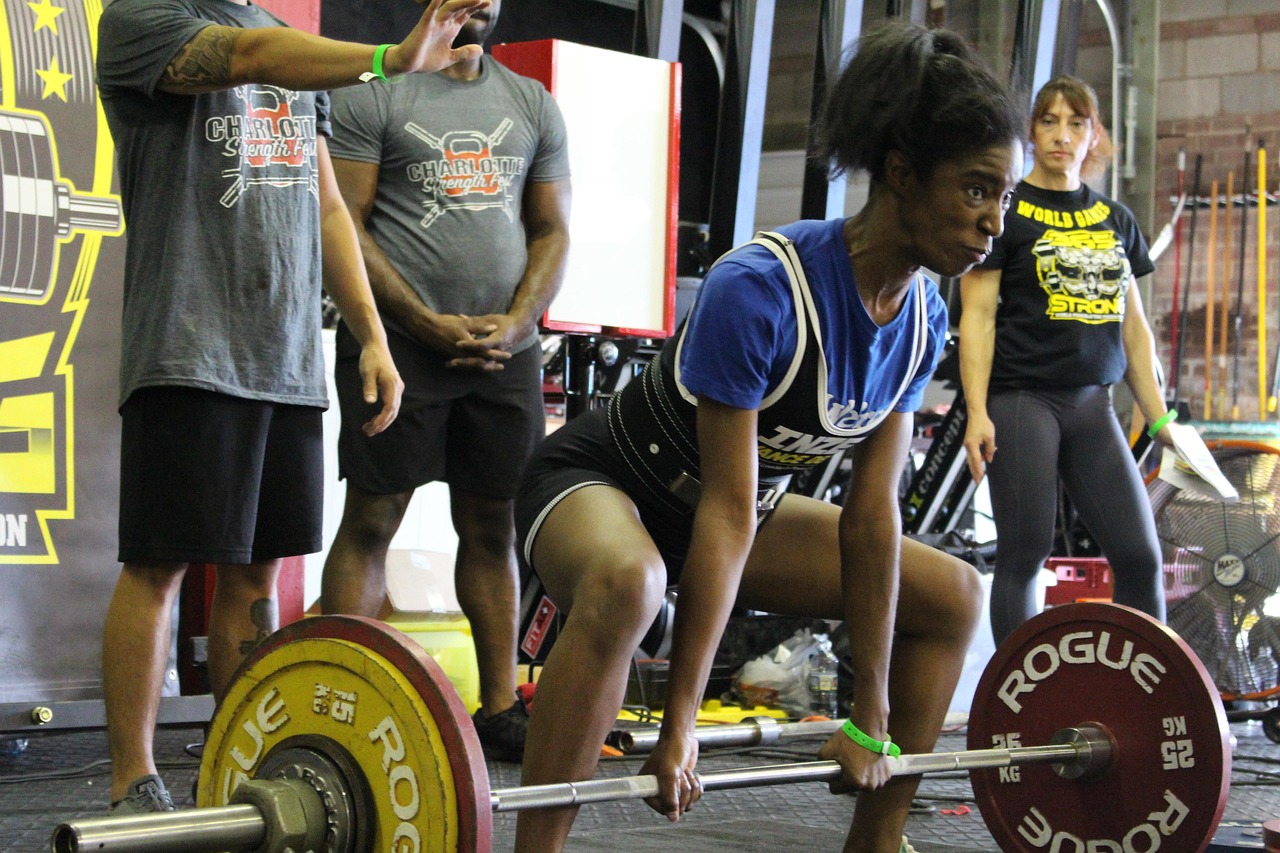

Understanding the Role of Genetics in Powerlifting Potential
Powerlifting, a strength sport focusing on three primary lifts, often debates the influence of genetics on an individual’s capacity for success. The intricate balance between genetic predisposition and environmental factors can be complex. While optimal training and nutrition are crucial, intrinsic factors such as muscle fiber composition, hormone levels, and skeletal structure play significant roles in determining powerlifting proficiency. Individuals with a greater proportion of fast-twitch muscle fibers generally excel in strength-based sports like powerlifting. Notably, genetic variations influence not just muscle fiber distribution but also the capacity for recovery, adaptation to training loads, and injury prevention. Moreover, observable attributes such as body composition can determine leverage in heavy lifts. Genetic factors encompass more than merely physical attributes; they also include metabolic responses to training and performance optimization strategies. Thus, genetics is a determining factor, but it must be considered alongside training methodologies and personal dedication. Lifters are encouraged to adapt their training to their unique physiological traits for optimal improvement in their powerlifting journey. Understanding one’s genetic makeup can greatly influence training regimens, nutrition plans, and ultimately, competition outcomes in powerlifting.
Recognizing the importance of genetic predisposition extends beyond individual limitations and possibilities. Genetic influences impact not only muscle structures but also the metabolic pathways utilized during exertion. Genetics plays a role in body structure, such as skeletal dimensions that determine leverage in executing powerlifting movements. For instance, longer arms or shorter legs can enhance performance in specific lifts, while those with broader shoulders may find bench pressing more manageable. Understanding these factors can lead to tailored training strategies, optimizing performance outcomes. Furthermore, genetic traits exist in various forms that provide information on training response variability. Lifters may find that some watch their strength flourish quickly, while others progress at a slower pace. These responses underline the necessity of personalized training regimens. Genetics can also determine recovery rates and the propensity for injury. Genetics not only sets the ceiling for potential but dictates how lifters respond to challenges. Therefore, lifters must recognize and respect their genetic boundaries while striving for consistent gains. It is vital to fuel motivation in powerlifting by identifying personal physiological strengths.
Muscle Fiber Composition and Powerlifting
Muscle fiber types are categorized into slow-twitch and fast-twitch fibers, significantly affecting powerlifting performance. Fast-twitch fibers, characterized by rapid contraction and high force output, correlate highly with powerlifting. In contrast, slow-twitch fibers excel in endurance activities but fall short in lifting heavy weights rapidly. Several studies suggest that natural variations in muscle fiber distribution are largely genetically determined. Athletes with higher percentages of fast-twitch fibers are more likely to excel in explosive strength sports like powerlifting. Genetic testing can now provide insights regarding individual fiber composition, presenting lifters with crucial information for crafting personalized training regimens. Strategies may include incorporating more explosive lifts or maximizing recovery times for individuals predisposed to be fast-twitch dominant. Similarly, those with higher slow-twitch composition may benefit from hypertrophic training cycles aimed at muscle growth to enhance their overall lifting capacity. Understanding one’s muscle fiber makeup allows for more effective training protocols, making the journey more efficient. Lifters are encouraged to work with trainers knowledgeable in biomechanics to design workouts reflective of their unique muscle fiber composition for optimal results.
Another significant genetic aspect influencing powerlifting potential is hormonal balance. Hormones, especially testosterone and growth hormone, play critical roles in muscle growth and recovery. Individuals exhibit variability in natural hormone levels due to genetic factors, influencing their ability to build strength and muscle mass. Those with higher testosterone levels often gain muscle more efficiently than others with lower levels. Moreover, hormonal responses following workouts and throughout the recovery process are also subject to genetic disposition. Lifters with favorable hormonal environments can typically adapt and recover from training more rapidly, leading to consistent strength gains. Although performance-enhancing substances can artificially augment hormones, the long-term health implications become a critical consideration. Consequently, natural genetic advantages in endocrine function can greatly impact the outcome of powerlifting ambitions. Lifters must also pay close attention to nutrition, considering how it influences hormonal levels and overall performance. Balancing training intensity with adequate recovery can help ensure lifters optimize their natural hormonal response to powerlifting training. Knowledge of personal hormonal profiles allows athletes to tailor their training, while fostering a healthy approach to strength gains.
Body Composition and Powerlifting Performance
Body composition is another critical factor influenced by genetics, affecting leverage and overall performance in powerlifting. Variations in fat distribution and muscle mass can significantly impact how efficiently a lifter can perform core exercises. Genetic predisposition often determines how one gains or loses weight and builds muscle, directly affecting powerlifting. Genetic markers can indicate where individuals may store fat, emphasizing the importance of personalized nutrition and training programs. Similarly, lifters with greater muscle mass relative to their body size typically find themselves at an advantage in lifting heavier weights. Consequently, optimal body composition tailored to a lifter’s unique genetics is essential for maximizing performance potential. Understanding body composition’s significance leads lifters to incorporate comprehensive training regimens focused on both strength and conditioning. Strategies may include strength training mixed with metabolic conditioning to improve body composition while fostering overall performance gains. Furthermore, monitoring body composition changes provides valuable insights into a lifter’s readiness, progress, and physical condition. Driven athletes may work closely with nutritionists to accurately assess body composition and enact necessary changes to meet competitive goals in lifting.
Emotionally, genetics influence mindset, which can significantly impact a powerlifter’s progress. Athletes often experience psychological stress during competition and training, affecting performance outcomes. Studies indicate that levels of resilience and competitive drive can be inherited traits influenced by genetics. Those who exhibit higher resilience may cope better under competitive pressure, leading to better lifting performance during crucial moments. Understanding one’s emotional disposition can tailor psychological preparation techniques, creating a holistic training template. Powerlifters who recognize how their emotional state affects their training journey often find successful avenues to manage anxiety and enhance focus when lifting. Genetic traits also govern the extent to which athletes experience motivation and how they respond to setbacks. Involving sports psychologists in a powerlifting journey can help identify these genetic factors, allowing individuals to maximize emotional strengths. Additionally, nurturing mental resilience translates into a healthier approach to competition and training stress. Developing mental strategies through practice and experience, lifters can adapt psychological methodologies based on understanding their emotional disposition. Each individual can refine their approach, keeping motivation alive throughout their powerlifting development.
Conclusion: Genetics and Powerlifting Success
In conclusion, genetics plays a multifaceted role influencing every aspect of powerlifting potential. While genetics can set the stage, it is essential to remember that environmental factors, such as training commitment, consistent practice, and nutrition, shape ultimate performance outcomes. Lifters shouldn’t be discouraged by genetic limitations, as they can still forge their unique journey towards lifting success through personalized training and nutrition choices. Understanding genetic factors allows athletes to fine-tune their training approach and optimize recovery strategies, ensuring that they perform at their highest level possible. The dialogue around the genetic components in strength training should pivot towards fostering an inclusive mindset among powerlifters, emphasizing hard work and smart training methods. Lifters should explore their genetic predispositions without becoming overly fixated on them, as both adaptability and resilience are critical components of success. Establishing a network of support, including coaches and fellow lifters who understand these dynamics, can provide motivation and encouragement. As powerlifting continues evolving, the understanding of genetics will also grow, offering insights that can expose pathways for future triumphs in the sport.