
Hormonal Health and Fitness During Perimenopause
Perimenopause is a natural phase in a woman’s life, marking the transition towards menopause. During this time, hormonal changes set the stage for a variety of physical and emotional shifts. Understanding these changes is crucial for managing symptoms effectively. The most notable hormonal fluctuations include declining estrogen and progesterone levels, which can lead to symptoms such as hot flashes, mood swings, and increased fatigue. Recognizing these changes lays the foundation for women to approach this life stage more proactively. Lifestyle adjustments can be tailored to combat these challenges, presenting an effective pathway to hormonal balance. Regular exercise, including strength training and cardio, can help mitigate weight gain associated with hormonal changes. Additionally, a healthy diet rich in whole foods can boost overall well-being, offering important nutrients like calcium and magnesium. These efforts can assist in leveling fluctuating hormones and improving mood. Being informed about perimenopause allows women to advocate for their health needs, leading to a better quality of life. Ultimately, embracing this period of change can empower women to take control of their hormonal health and fitness.
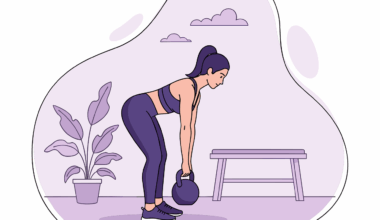
As women experience perimenopause, many become concerned about weight gain. Fluctuating hormones can cause the body to retain fat differently, often leading to increased abdominal fat. This shift can be disheartening; however, women can counteract weight gain through fitness and dietary modifications. Incorporating strength training into regular exercise routines can positively influence metabolism, building lean muscle and aiding weight control. Many women find that maintaining a consistent workout schedule becomes essential during perimenopause for managing weight effectively. Moreover, an anti-inflammatory diet can support hormonal balance; rich in fruits, vegetables, and whole grains, this approach fuels the body properly. Omega-3 fatty acids, found in fatty fish, can also reduce inflammation and positively impact mood changes during this time. Prioritizing hydration is equally important; drinking sufficient water helps maintain bodily functions and can alleviate symptoms like bloating. Building a supportive network or joining groups focused on midlife fitness can provide motivation and encouragement. This combination of movement, nutrition, and community fosters resilience against weight gain. Ultimately, each woman’s journey through perimenopause is unique, but personalized strategies can foster healthier transitions.
The Role of Lifestyle in Hormonal Health
Healthy lifestyle choices have a profound impact on hormonal health during perimenopause. Regular physical activity serves as a cornerstone for managing symptoms effectively. Engaging in aerobic exercises, such as walking, swimming, or cycling, can significantly improve cardiovascular health and enhance mood through endorphin release. It’s paramount for women to find activities they enjoy, making adherence easier and more enjoyable. Furthermore, integrating mind-body practices, such as yoga or meditation, can nurture mental well-being and alleviate stress that hormonal changes might intensify. Sleep plays an equally vital role; poor sleep can exacerbate hormonal imbalance, leading to mood swings and fatigue. Maintaining a consistent sleep schedule can improve sleep quality. Additionally, reducing everyday stressors through mindfulness techniques helps lower cortisol levels, a hormone that can further disrupt hormonal equilibrium if chronic. Implementing effective stress management strategies is crucial in maintaining hormonal balance. Furthermore, limiting intake of processed foods and opting for whole, nutrient-dense options contributes positively to women’s health and encourages a feeling of empowerment during this transitional period. Thus, lifestyle influences extend beyond mere fitness; they encompass a holistic approach to hormonal well-being.
Nutritional Considerations During Perimenopause
Understanding the role of nutrition is vital during perimenopause, as it directly influences hormonal balance and symptom management. Women should focus on a diet rich in phytoestrogens, which can help mimic estrogen effects in the body, potentially alleviating symptoms like hot flashes. Foods such as soy products, flaxseeds, and legumes are excellent sources of these beneficial compounds. Additionally, adequate protein intake supports muscle retention and metabolic health, especially as women age. Incorporating lean proteins like chicken, fish, beans, and dairy aids in overall well-being. Calcium and vitamin D are also essential as women approach menopause, supporting bone density and reducing osteoporosis risk. Eating a variety of colorful fruits and vegetables provides essential vitamins and antioxidants that combat oxidative stress and inflammation. Maintaining healthy blood sugar levels is crucial; incorporating high-fiber foods can help regulate insulin levels. Moreover, limiting alcohol and caffeine may help reduce the severity of certain symptoms. Paying attention to one’s nutritional status empowers women to advocate for their health as they navigate through the hormonal changes in perimenopause, ensuring optimal well-being.
Perimenopause can significantly affect women’s emotional health, making it vital to focus on mental well-being strategies during this phase. Hormonal fluctuations can lead to mood swings, anxiety, and even depression for some women. Identifying coping mechanisms that work personally is essential for psychological resilience. Mindfulness practices, such as meditation and breathing exercises, can help cultivate a sense of calm and awareness, mitigating stress responses. Regularly engaging in social activities or connecting with friends can provide emotional support and diminish feelings of isolation. Building strong relationships during this time can serve as a positive buffer against emotional upheaval caused by hormonal changes. Professional guidance, through therapy or counseling, can also be invaluable in addressing persistent mood-related issues. Women should feel empowered to seek help when needed and not hesitate to prioritize their mental health. Journaling can act as a practical outlet for expressing emotions and clarifying feelings surrounding hormonal changes. Acknowledging and sharing experiences with others can foster acceptance and understanding, enhancing emotional well-being. Developing a supportive environment ensures that women feel less isolated during the perimenopausal transition.
Complementary therapies have gained traction among women seeking relief from perimenopausal symptoms. Practices such as acupuncture, herbal remedies, and aromatherapy offer alternative routes for managing discomfort associated with hormonal shifts. For instance, some women find that acupuncture helps alleviate hot flashes and promotes relaxation. It’s important to consult healthcare providers before trying these therapies to ensure safety and appropriateness. Herbal supplements like black cohosh and red clover are believed to have estrogen-like effects and may help reduce some perimenopausal symptoms. However, women should approach these remedies carefully, as they must research potential interactions or side effects. Engaging with holistic practitioners can guide individuals in finding effective methods tailored to personal needs. Aromatherapy, using essential oils such as lavender and clary sage, can also promote emotional well-being and relaxation. Developing a treatment plan that incorporates both conventional medicine and complementary approaches can empower women during this transition. Listening to one’s body and integrating diverse therapies fosters a more balanced approach to managing symptoms, allowing for a healthier perimenopausal experience.
Community support becomes increasingly important during perimenopause, as shared experiences can help validate and ease feelings of loneliness. Connecting with others going through similar challenges fosters a sense of belonging and understanding. Consider joining local or online support groups focused on perimenopause and women’s health. Sharing personal stories creates powerful connections and helps combat stigma around discussing hormonal changes. These interactions can also provide valuable insights and practical strategies for navigating perimenopausal symptoms, helping women gather knowledge from various perspectives. Networking with fitness groups, wellness workshops, or educational sessions centered on female health can also enhance awareness. Encouraging open conversations about hormonal changes promotes transparency and understanding, sparking awareness about the physical and emotional ramifications experienced by women. Women should consider regular communication with healthcare providers and mental health professionals to maintain a holistic support system. Engaging in community activities or volunteering can shift focus and build a sense of purpose and fulfillment. Together, these connections cultivate resilience and empower women to embrace their journey through perimenopause with strength and positivity.
In conclusion, managing hormonal health and fitness during perimenopause requires a multifaceted approach. Prioritizing physical activity, nutrition, emotional support, and community can significantly enhance the quality of life during this transitional phase. Women can take charge of their health by understanding the effects of hormonal changes, incorporating diverse strategies, and fostering a supportive environment. Regular check-ins with healthcare providers help track symptoms and adjust health strategies accordingly, promoting personalized care throughout this period. Balancing traditional treatment options and complementary therapies can provide women with comprehensive relief. Developing practices that nurture mental well-being and seeking social connections are equally vital. As women move through this journey, empowering themselves through education and support fosters a sense of agency and control over their bodies. Women are urged to embrace this transition positively, recognizing that perimenopause is a natural life stage marked by change rather than a decline in vitality. Making informed choices regarding lifestyle and health can enhance hormonal balance and overall well-being. In doing so, women not only improve their own health but also inspire others navigating similar experiences.