
Comparing Body Composition in Different Types of Obesity
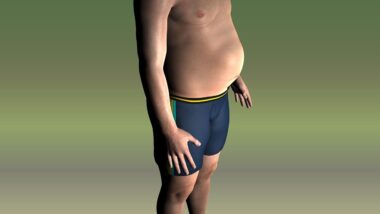
Body composition analysis is an important aspect of understanding obesity. There are many different types of obesity, and each type requires a customized approach for effective management. Body composition refers to the proportions of fat mass, lean mass, and body water in individuals. In recent years, obesity has become an increasing concern, with rates surging across various populations. Understanding the different categories of obesity can help healthcare providers better address the nuances of weight management. For example, there is a distinct difference between central obesity and peripheral obesity. Central obesity, commonly referred to as visceral fat, poses a higher risk for metabolic diseases. On the other hand, peripheral obesity typically involves fat distribution in the extremities. Both types present unique challenges for assessment and intervention. Various techniques in body composition analysis, such as bioelectrical impedance analysis and dual-energy X-ray absorptiometry, help clinicians discern these categories effectively. It is crucial for individuals to undergo proper evaluation to identify the type of obesity they are facing. This understanding can lead to more effective treatment strategies tailored to their specific needs.
The implications of body composition analysis extend beyond mere numbers on a scale. Individuals with the same body weight can possess vastly different body compositions. This phenomenon is especially relevant in understanding how muscle mass and fat distribution affect metabolic health. For example, individuals with a higher percentage of lean muscle may be able to manage their weight more effectively than those with higher fat mass, even at similar BMI values. The relationship between fat mass and health risks can be better understood through proper data from body composition technologies. Chronic diseases such as heart disease, diabetes, and certain cancers are often linked to obesity. Thus, understanding body composition can assist in the prevention and treatment of such conditions. For healthcare professionals, evaluating patients through body composition analysis provides a deeper insight into the effectiveness of weight-loss interventions. Programs that focus on reducing fat while preserving lean tissue are often more successful. Additionally, health education about nutrition and exercise is crucial in improving overall body composition in obese individuals. These tailored interventions can lead to sustainable health outcomes and enhanced quality of life.
Types of Obesity and Their Characteristics
Obesity is a complex condition that can be categorized in various ways, notably into primary and secondary categories. Primary obesity is often attributed to lifestyle choices, including dietary habits and lack of physical activity. Conversely, secondary obesity can be attributed to hormonal imbalances or medical conditions such as hypothyroidism. Within these categories, body composition analysis serves to further delineate differences among individuals. For instance, a person may be classified as obese based on BMI but have a relatively low percentage of body fat due to high levels of muscle mass. This discrepancy highlights the necessity of using body composition metrics to create an accurate health profile. Each type of obesity also reveals different risks for comorbidities. With central obesity, individuals are at an increased risk for cardiovascular disease due to the location of excess fat around the abdomen. On the other hand, those with a more peripheral fat distribution may face different health challenges. By understanding the characteristics of each obesity type, healthcare practitioners can adopt appropriate strategies for assessment, management, and treatment. Education and intervention based on this analysis are paramount for long-term health benefits.
In recent years, advanced technologies have emerged that significantly improve body composition analysis. Traditional methods, such as skinfold measurements or waist circumference, have limitations in accurately assessing one’s fat distribution. Newer techniques, like MRI scans and CT scans, allow for detailed insights into visceral versus subcutaneous fat. These methods can visualize fat deposits within the body, providing an invaluable tool in understanding obesity. Emerging gadgets, such as smart scales, use bioelectrical impedance to estimate body fat percentage in real-time. Although these devices are convenient, they are not always as accurate as clinical methods. Therefore, it is crucial to balance the use of convenient tools with the reliability of clinical assessments. Proper evaluation should ideally involve both recent advances and traditional methods to create a comprehensive profile. This understanding can then guide personalized treatment strategies for obesity. The importance of accurate body composition analysis cannot be understated. By leveraging advanced technologies, healthcare providers can offer tailored advice and interventions that resonate with individual patients. Consequently, this personalization leads to effective weight-loss programs and improved health outcomes.
Challenges in Body Composition Assessment for Obese Patients
Despite the advancements in body composition analysis, several challenges remain when assessing obese patients. One major hurdle is the variability in results due to factors such as hydration status, diet, and time of day when measurements are taken. For instance, bioelectrical impedance can yield misleading results if a patient is dehydrated or overhydrated. Additionally, the BMI metric often fails to classify individuals accurately. Particularly for individuals with a significant muscle mass, BMI could underestimate fat mass and health risks. Furthermore, stigma surrounding obesity might lead to anxiety for patients when it comes to assessment. Health providers must approach this sensitive topic with care, ensuring patients feel comfortable and valued during the evaluation process. Mental health support is also essential in these cases. Incorporating psychological evaluations alongside physical assessments can better inform comprehensive treatment plans. Practitioners should foster a supportive environment allowing patients to discuss their concerns openly, reinforcing the importance of addressing not only physical health but emotional well-being as well. By acknowledging these challenges, healthcare providers can better tailor interventions to enhance patient experiences and outcomes.
Evidence indicates that understanding individual body composition can impact the design of obesity treatment programs. Rather than a one-size-fits-all approach, programs tailored to specific composition types can lead to better success rates. For example, individuals with a higher proportion of visceral fat may benefit significantly from targeted cardio exercises emphasizing fat loss. In contrast, those with a higher amount of lean muscle may see better outcomes through strength training that focuses on maintaining muscle while losing fat. Dietary changes play a pivotal role as well, with nutritional guidance tailored to individual metabolic needs being essential. Interventions should not only focus on weight reduction but also on improving overall body composition. Healthcare professionals can also utilize technology such as mobile apps that track nutritional habits and physical activity levels. This allows for real-time adjustments to treatment plans based on data collected over time. Personalized management plans can thus evolve along with the patient’s progress. By acknowledging the role of body composition in treatment plans, more individuals can achieve their health goals. Ultimately, this directed approach leads to a higher quality of life and increased longevity.
Conclusion: The Future of Body Composition Analysis in Obesity
The future of body composition analysis holds great promise in the field of obesity management. Continued advancements in technology, such as artificial intelligence and machine learning, may revolutionize how we assess obesity and tailor interventions. Enhanced accuracy in imaging techniques can yield detailed insights into fat distribution patterns, further assisting healthcare providers in optimizing treatment plans. Understanding the importance of body composition analysis can lead to improved patient outcomes and effective health interventions. It opens opportunities for preventative measures by identifying individuals at risk before obesity develops. There is also a growing recognition of the role comorbidities play, prompting a more holistic view of obesity as a complex interplay of factors. As such, future research may focus on developing multi-faceted approaches to nutrition, exercise, and psychological support. By addressing obesity from multiple angles, healthcare providers can facilitate sustainable changes in individuals’ lifestyles. The emphasis on personalized medical treatment will likely enhance engagement and compliance. Ultimately, the evolution of body composition analysis marks a significant step forward in combating obesity. With education, technology, and individualized treatment plans, we can pave the way for a healthier future.
Body composition analysis is an important aspect of understanding obesity. There are many different types of obesity, and each type requires a customized approach for effective management. Body composition refers to the proportions of fat mass, lean mass, and body water in individuals. In recent years, obesity has become an increasing concern, with rates surging across various populations. Understanding the different categories of obesity can help healthcare providers better address the nuances of weight management. For example, there is a distinct difference between central obesity and peripheral obesity. Central obesity, commonly referred to as visceral fat, poses a higher risk for metabolic diseases. On the other hand, peripheral obesity typically involves fat distribution in the extremities. Both types present unique challenges for assessment and intervention. Various techniques in body composition analysis, such as bioelectrical impedance analysis and dual-energy X-ray absorptiometry, help clinicians discern these categories effectively. It is crucial for individuals to undergo proper evaluation to identify the type of obesity they are facing. This understanding can lead to more effective treatment strategies tailored to their specific needs.