
Integrating Mobility and Flexibility into Push Pull Legs Days
The Push Pull Legs (PPL) workout split is one of the most popular and effective training regimens. Incorporating mobility and flexibility exercises into this routine enhances performance, aids recovery, and helps prevent injuries. In the Push phase, focusing on exercises like bench presses and shoulder presses can greatly benefit from improved range of motion. Additionally, incorporating dynamic stretches, such as arm circles or chest openers, can facilitate better muscle activation. Flexibility training post-workout can enhance muscle recovery and reduce soreness after a rigorous workout. Aim for 10-15 minutes of stretching to maintain or improve flexibility. It is also essential to include mobility drills that should target joints commonly used in PPL workouts. Exercises like shoulder dislocations or hip openers can improve joint health. Moreover, these drills can prepare the body for more intense lift variations, such as incline or decline bench presses. Over time, an investment in mobility and flexibility will lead to improved lifting mechanics and a reduced risk of injury. Therefore, everything from dynamic warm-ups to cooldown stretches can invoke changes that enhance workout outcomes and promote overall fitness.
During Pull days, targeting the back and biceps is essential to achieve well-rounded upper body strength. Integrating mobility exercises during this routine is vital to ensure proper form throughout various pulling movements. Incorporating spinal mobility drills like thoracic spine extensions can significantly enhance lifting techniques for deadlifts and rows. Additionally, warming up with resistance bands to activate the back muscles can markedly improve performance during pull-ups and bent-over rows. As with Push days, consider incorporating flexibility exercises post-workout for optimal muscle recovery. Stretching the lats, traps, and biceps after a heavy lifting session can alleviate muscle tightness and promote flexibility, thus reducing soreness and improving recovery times. Static stretches, like the cross-body shoulder stretch, should be held for a period of 15-30 seconds. Ultimately, these efforts align with achieving the best results from your PPL routine. By understanding how flexibility and mobility function synergistically in workouts, it becomes evident that these practices should not be overlooked. Continuous attention to these facets will develop strength and resilience, creating a solid foundation for all future workouts while enhancing overall athletic performance.
Flexibility and mobility training on Leg days cannot be overstated. These components are critical for executing movements such as squats and deadlifts properly. One beneficial approach to build stronger legs is through targeted mobility work focusing on the hip joint. Mobility drills like hip flexor stretches and ankle mobility exercises prepare the legs for dynamic movements. As a result, they enable deeper squats and smoother transitions during workouts. Furthermore, it’s crucial to address tight calves, hamstrings, and quadriceps with static stretches after the workout routine to facilitate recovery. Static stretching focuses on lengthening muscle fibers and can aid significantly in maintaining overall leg strength. Aim for a solid 10-15 minutes of focused stretching following leg workouts. Another effective strategy is to incorporate foam rolling to alleviate muscle tension in the legs and foster better blood circulation. Gradually integrating mobility and flexibility work into Leg days will empower athletes to achieve greater gains. Therefore, incorporating this balanced approach in workout regimes will create a stronger body, enhance performance levels, and mitigate the risk of injury that can arise from tight muscles or insufficient mobility.
Benefits of Integrating Mobility and Flexibility
The advantages of integrating mobility and flexibility into the Push Pull Legs routine extend beyond immediate workout performance. Enhanced mobility allows for better movement quality and joint function, which establishes a solid base for strength. Improved flexibility can lead to higher muscle elasticity, reducing the risk of tears or strains during workouts. Not only do these practices help longevity in fitness, but they also positively influence muscle recovery. Athletes who prioritize stretching and mobility sessions report less muscle soreness and fatigue. Moreover, integrating mobility and flexibility will enhance posture and alignment during movements, promoting an effective lifting technique. Consistent practice can reduce overall tension and tightness, contributing to a more effective and enjoyable exercise experience. Furthermore, improved movement mechanics can assist in maximizing results from both compound and isolation exercises, making them more effective as time progresses. While incorporating such elements requires commitment and diligence, athletes widely report long-term benefits and improved workout sustainability. By emphasizing these components, users can confidently progress through their fitness journey at rates they may not have initially anticipated.
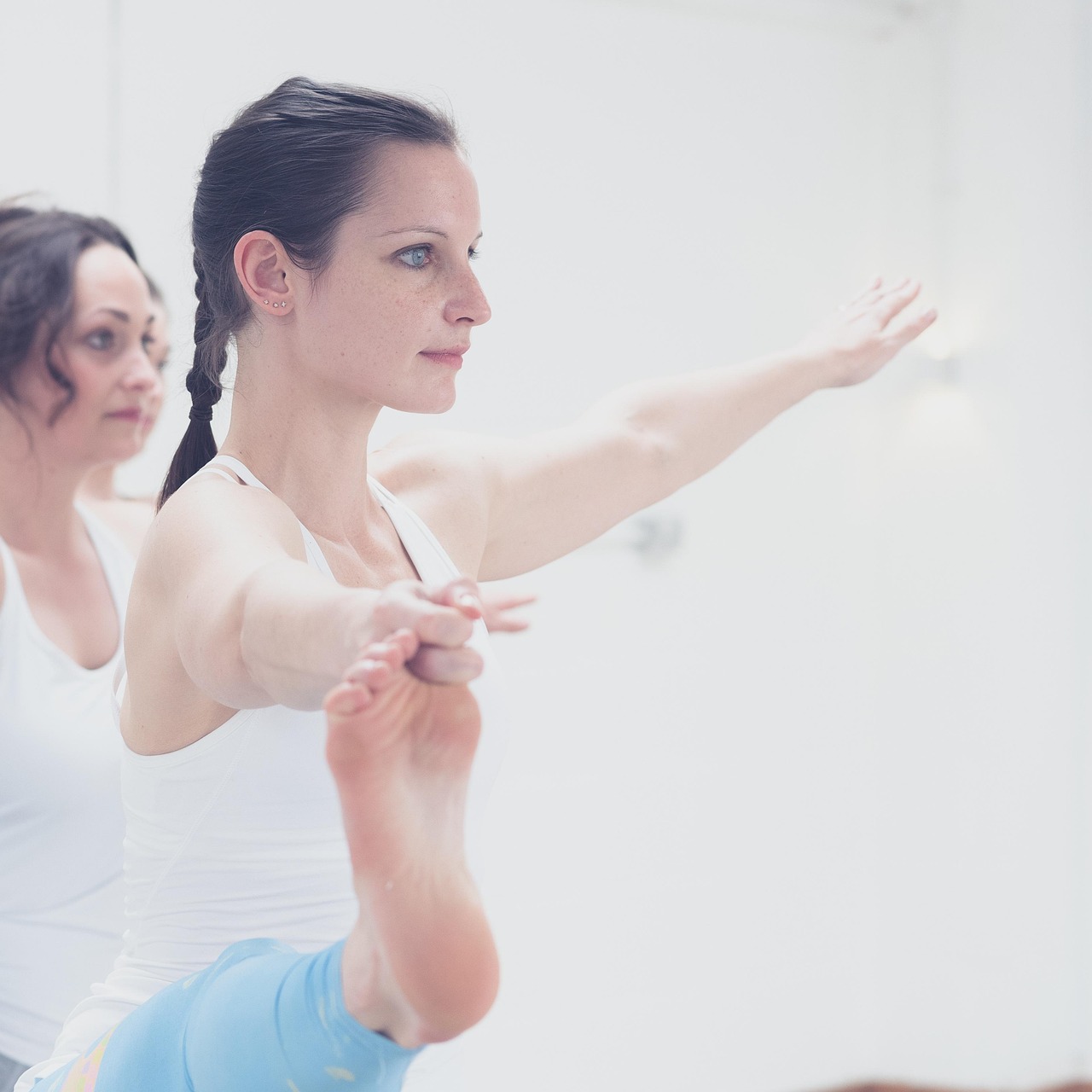
It is important to recognize that achieving mobility and flexibility is not a one-time process; consistency is key. Athletes must commit to incorporating specific routines into their weekly training schedules, rather than viewing them as supplementary activities. A significant recommendation is to perform mobility drills dynamically before workouts and engage in flexibility training at the end of each session. Additionally, scheduling at least one dedicated day per week for mobility or yoga classes can further bolster flexibility and strength. If classes are not accessible, consider following along with online videos tailored to improve flexibility and mobility. Developing a routine that emphasizes these aspects of fitness can drastically enhance performance in all Push Pull Legs workouts. The increased range of motion not only translates to strength gains but also improves coordination and agility. Fear of injury decreases as the body becomes more resilient and adaptable. Consequently and ideally, this holistic approach leads to athletic proficiency. The emphasis placed on mobility and flexibility as an integral part of the PPL routine ensures that individuals are well-equipped for both immediate performance and long-term fitness goals.
Another crucial factor is understanding the distinction between dynamic and static stretching within the context of the PPL routine. Dynamic stretching is essential before workouts, as it warms up the muscles and prepares them for exertion. In contrast, static stretching maintains or increases flexibility, and it should be performed post-workout. Athletes tend to overlook this separation, leading to potential drawbacks. Pre-workout routines could include high knees or leg swings, avoiding strain on cold muscles. Safe practices will guarantee proper warm-ups for the body before more intense efforts occur. After workouts, static stretching should engage the muscles worked, holding each position for 15-30 seconds to ensure effective outcomes. Incorporating these two forms of stretching into the PPL routine will lead to a more well-rounded approach to training. Understanding when to implement each can empower athletes to train more efficiently, resulting in maximized gains and progress within their exercise programs. Therefore, integrating these smart practices into training can significantly improve not only performance but overall enjoyment during and after workouts.
Conclusion
In conclusion, through the strategic incorporation of mobility and flexibility within the Push Pull Legs workout routine, athletes can reap the rewards of enhanced performance and injury prevention. The complexities of lifting demand a great deal of physical preparedness, particularly regarding joint health, functional strength, and muscle recovery. Therefore, prioritizing these aspects is more than advisable; it is essential for ambitious fitness enthusiasts. Embracing dynamic warm-ups, followed by static cooling stretches, creates a fluid routine. Focusing on these elements cultivates an environment where strength training thrives. Routine is significant, but varying exercises and stretching techniques can promote continuous growth. Ultimately, athletes should view mobility and flexibility not as alternatives but as integral components of their training. Integrating practices that boost these areas not only prepares an individual for demanding workouts but also enhances overall quality of life, transcending fitness. A thoughtful approach to balance push, pull, and leg training will yield optimal outcomes that foster holistic health. Adaptability through perseverance leads to greater self-awareness and growth within individual fitness journeys, paving the way for positive transformations going forward.