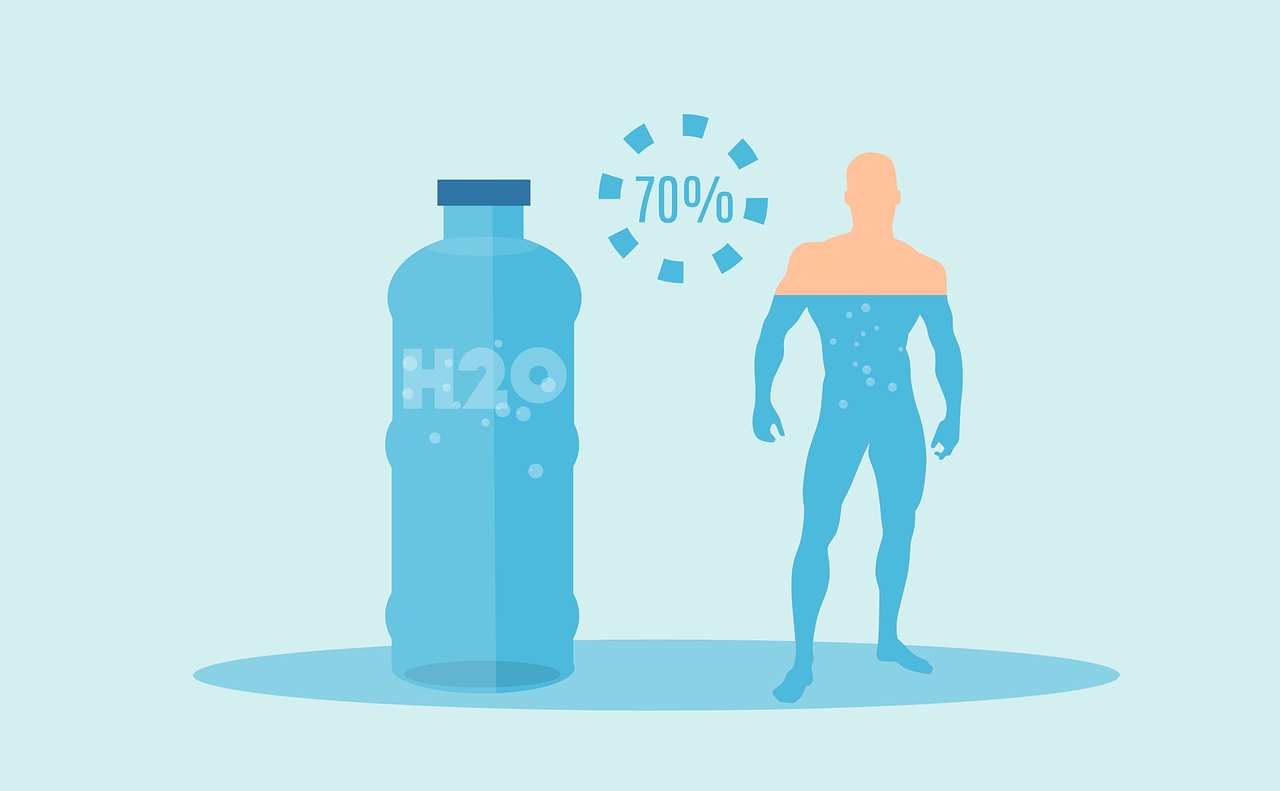

How Dehydration Can Impair Athletic Endurance
Dehydration is a significant issue that athletes encounter, impacting their overall performance. Even slight reductions in body water can detrimentally affect various physiological functions crucial for athletic performance. When the body becomes dehydrated, the heart rate increases, causing extra strain during exercise. Hydration plays a vital role in regulating temperature through sweating; thus, dehydration impairs the body’s ability to cool itself. Additionally, this lack of fluid leads to reduced blood volume, meaning less oxygen and nutrients reach the muscles. Athletes experiencing such impairments tend to tire more quickly, diminishing their endurance and performance. It is crucial that athletes are aware of their hydration status, as even mild dehydration can result in noticeable drops in physical efficiency. Furthermore, dehydration doesn’t just affect immediate performance; it can also lead to long-term consequences for health and fitness. Staying ahead of hydration needs is therefore paramount for not just immediate endurance, but also for recovery and future performance. By implementing effective hydration strategies, athletes can maintain optimal performance levels and reduce the risk of fatigue and injury during training and competition.
The effects of dehydration extend beyond physical endurance; they encompass cognitive performance as well. Athletes who are dehydrated often report reduced concentration, coordination, and reaction times, all critical factors in sports performance. When the brain doesn’t receive adequate hydration, cognitive functions decline, leading to poor decision-making and diminished focus during competition. This mental fatigue can increase the chances of errors, presenting potential dangers in high-stakes sports. It is important for athletes to recognize the warning signs of dehydration, including thirst, dry mouth, and fatigue. Consistent monitoring of hydration status using simple methods can help athletes stay on track. Keeping track of urine color and volume is one such effective technique. Clear or light-colored urine indicates proper hydration, while darker shades often signal a need for increased fluid intake. Additionally, maintaining hydration levels with electrolyte-balanced drinks can be beneficial, especially during extended or intense sessions. Education on proper hydration and implementing strategies well before and during exercises could provide substantial benefits. Ultimately, addressing hydration needs ensures both mental and physical performance remain at their peak.
Implications of Dehydration
Beyond immediate athletic tasks, dehydration has serious implications for long-term health. Chronic dehydration can lead to complications such as kidney stones, heat exhaustion, or even heat stroke, which are dangerous and life-threatening conditions. Athletes may engage in rigorous training regimens without considering hydration, eventually leading to health consequences that could have been avoided. It is essential for athletes to incorporate hydration into their daily routines, prioritizing water intake alongside physical training. Establishing hydration norms pulls attention to the best practices for consuming fluids before, during, and after workouts. This approach helps ensure athletes maintain functional performance levels. To facilitate optimal hydration, athletes should also personalize their hydration strategies based on body weight, environmental conditions, and exercise intensity. Understanding individual hydration needs is vital, considering that the amount of sweat produced varies among athletes. Establishing a hydration schedule can also help remind athletes to drink at regular intervals, thus ensuring they don’t neglect their fluid needs during intense training. Educating oneself on these aspects establishes a base for future success in athletic endeavors.
Additionally, specific sports can affect hydration strategies; both water and electrolyte needs can vary significantly. In endurance sports such as marathon running or triathlons, athletes may sweat profusely, leading to notable fluid losses. With extended durations of high-intensity activities, replacing lost electrolytes becomes critical. For these athletes, solutions like sports drinks become essential to restore lost nutrients. Conversely, team sports like soccer or basketball may not lead to sever losses; thus water may be sufficient during breaks. However, individual choices and preferences also dictate hydration approaches. Hydration plays a role in recovery after sports performance too. Consuming fluids post-exercise aids in replenishing lost moisture and can minimize muscle soreness. The best approach for establishing sound hydration habits is through proper education, coupled with consistent self-monitoring. Athletes must understand that hydration is an integral component for overall health; it affects both training and well-being. With continuous education and practice, athletes fully benefit from establishing a tailored and adequate hydration plan. This proactive approach ultimately maintains performance and ensures a healthier life in and out of athletics.
Your Hydration Strategy
In light of the critical importance of hydration in sports, athletes should develop personalized hydration strategies. Incorporating individual characteristics—like body size, exercise duration, and environmental conditions into their plans enhances efficiency. Athletes can begin creating their hydration strategies by starting regular fluid consumption throughout the day, not just during training sessions. Fluid consumption before exercise can prime the body. A good rule of thumb is to drink about 17 to 20 ounces of water two to three hours before exercising. During exercise, athletes should aim for roughly 7 to 10 ounces of fluid every 10 to 20 minutes, adjusting based on sweat rates. Convenient water bottles or hydration packs can facilitate ease of access during workouts. Post-exercise ingestion of fluids is equally vital; within the first hour, aim to replace fluids lost during exertion, considering both water and electrolytes. Regularly weighing oneself before and after workouts helps track fluid loss accurately and adjust intake accordingly. Documentation of this kind can assist athletes in tuning their routines as they continue training. In turn, adopting consistent hydration habits provides noticeable boosts in athletic endurance and performance.
Ultimately, awareness and education about hydration are essential for athletes to improve their performance. Dehydration not only hampers immediate physical capabilities but also jeopardizes long-term health outcomes. Ensuring athletes are educated regarding hydration practices can cultivate habits that prevent dehydration. Engaging in workshops or sessions focused on effective hydration strategies can go a long way. It’s equally essential to communicate the importance of fluid and electrolyte balance among teams, promoting a culture of health. Coaches and training staff must also emphasize hydration, setting protocols that athletes can adhere to. Collective responsibility around hydration contributes to a team’s overall performance and fosters an environment that prioritizes athlete well-being. Regular check-ins with athletes about their hydration status can help reinforce these crucial habits. As athletes become more mindful of their hydration practices, they will likely notice enhancements in their endurance and recovery rates. Consequently, a cultural shift fostering hydration awareness can lead to healthier athletes who perform at their best. Learning and adapting hydration habits advance not only individual pursuits but will synchronize collaborative efforts, boosting entire teams overall performances.
Conclusion
Consolidating hydration standards is vital for athletes aiming for optimal performance levels in their sports endeavors. Prevention of dehydration starts with understanding one’s specific hydration needs and developing an actionable plan tailored against the backdrop of each workout and competition. Regular monitoring, education, and awareness around fluid intake positively influence an athlete’s performance and long-term health. As dehydration continues to impair athletic endurance, striving for optimal hydration can make all the difference. Established routines involving consistent fluid consumption, particularly before, during, and after athletic activity can shield against negative impacts posed by dehydration. As a result, athletes, coaches, and support staff must work collaboratively, ensuring hydration practices become central themes within training regimes. Emphasizing hydration education, available resources, and planning can integrate into training activities smoothly. Ultimately, as athletes embrace hydration as a foundation for performance, they enhance their athletic journeys while laying a groundwork for lifelong health. Incorporating these strategies and remain vigilant towards hydration can bolster not just individual capabilities, but cultivate collective success among teams and sports populations.
Proper hydration is vital for athletes across all levels. Each principle discussed provides sound strategies for ensuring athletes remain hydrated. Following these guidelines can lead to improved endurance and better overall health.