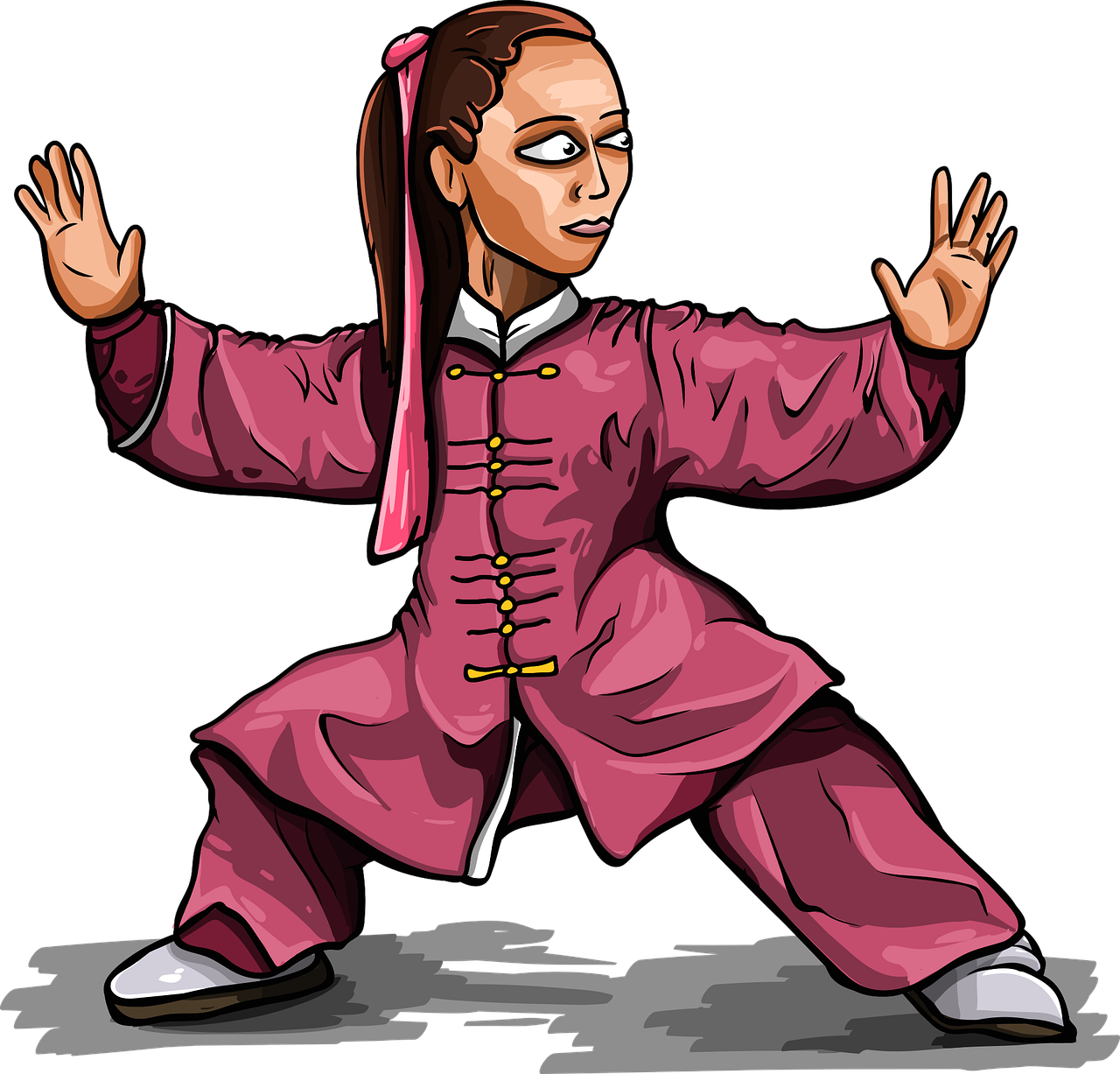

Meditation’s Impact on Reaction Time in Self-Defense
Meditation has long been recognized as a beneficial practice for enhancing mental clarity and emotional stability. For practitioners of martial arts, it serves an additional purpose, which is improving physical response times. Reaction times are crucial in self-defense scenarios where milliseconds can determine the outcome of a confrontation. By engaging in meditation, martial artists can cultivate a heightened state of awareness, leading to quicker cognitive processes when faced with unexpected situations. Studies indicate that consistent meditation practice may positively influence the brain’s ability to process sensory information. During meditation, the participant often learns to remain present and focus, reducing anxiety. Anxiety can slow reaction time by diverting attention away from necessary responses. Furthermore, meditation practices such as mindfulness can help form neural pathways that enhance the participant’s ability to respond swiftly. In the high-pressure environment of a self-defense situation, the ability to remain calm while assessing threats and reacting appropriately is vital. Hence, incorporating meditation into training regimens may prove essential for martial artists and self-defense practitioners.
The physiological benefits of meditation extend beyond mental clarity, influencing physical response as well. When individuals meditate, they activate the parasympathetic nervous system, promoting relaxation throughout the body. This relaxation reduces overall muscle tension and promotes a state conducive to rapid responses. For martial artists, being physically relaxed yet alert creates a range of advantages in self-defense. A relaxed body can move fluidly, allowing for unimpeded movement when executing defensive techniques. When the body is in a tense state, reactions can be sluggish, making it harder to respond effectively. Studies reveal that practitioners with a regular meditation routine tend to exhibit improved agility and quicker reflexes. These enhancements can be critical when an instant decision is required in self-defense situations. Furthermore, those who meditate show a greater propensity to remain calm under stress, which can further contribute to quicker and more effective responses. By fostering a positive mental state through meditation, martial artists can prepare themselves for physical challenges in a way that is methodical and efficient. Thus, meditation emerges as a significant asset in martial training.
Mindfulness Meditation and Situational Awareness
The practice of mindfulness meditation is particularly relevant in the context of self-defense. Mindfulness emphasizes the ability to remain aware of one’s surroundings, a skill that directly correlates with effective response times. Through mindfulness, martial artists train their minds to focus on the present, allowing them to notice subtle changes in their environment. In a self-defense situation, this awareness can provide crucial insights into potential threats and movements of an opponent. Being mindful allows martial artists to assess situations rapidly and identify optimal responses. An increased sense of awareness often leads to quicker decision-making and more effective physical reactions. Research indicates that mindfulness practices enhance brain functions, especially in areas responsible for attention and awareness. Regular engagement in mindfulness may help martial artists develop an acute sense of spatial awareness and improve their timing when executing defensive maneuvers. Moreover, those who practice mindfulness regularly report feeling more centered and confident in their abilities. Consequently, the integration of mindfulness meditation within martial arts training presents a compelling framework for boosting self-defense capabilities.
In addition to mindfulness, visualization techniques often accompany meditation practices to enhance reaction times. Visualization involves imagining oneself executing specific movements or strategies effectively. Through this mental practice, martial artists can create neural patterns in their brain that mimic real-life performance. This mental rehearsal allows the body to react faster when faced with actual scenarios. Studies suggest that martial artists who visualize their movements as part of their meditation practice react more quickly in real situations. Visualization helps to condition the body and mind for immediate execution of techniques when necessary. By mentally picturing various situations and appropriate responses, practitioners can improve their readiness and adaptability. Enhanced visualization skills may significantly impact a martial artist’s performance during self-defense events. Furthermore, integrating visualization into meditation transforms the practice into a dual function, bolstering both mental and physical elements essential for effective self-defense. The blend of meditation, mindfulness, and visualization results in a holistic approach that strengthens overall fighting capability.
Combining Meditation with Physical Training
Combining meditation with physical martial art training creates a synergistic effect that enhances overall performance. The mental fortitude acquired through meditation acts as a stabilizing force during intense physical training sessions. This combination helps martial artists develop resilience in high-pressure scenarios, directly affecting their reaction times. When fatigue sets in during practice, practitioners who have meditated can rely on their mental conditioning to maintain performance levels. Integrating breathing exercises commonly found in meditation into physical training further elevates this effect. Tactical breathing techniques teach martial artists how to control their breath, assisting in sustaining energy and focus. Maintaining steady breathing during a confrontation can reduce panic and promote quicker reactions, as the practitioner remains centered. Furthermore, cultivating mental tranquility through meditation can build a sense of confidence that ripples into physical execution during self-defense situations. This amalgamation of physical and mental training therefore not only improves reaction time but enhances the overall effectiveness of martial art techniques learned. In this light, meditation stands out as an indispensable practice in the martial arts culture.
The enhancement of reaction times through meditation ultimately leads to greater discipline and focus for martial artists. Self-defense training demands a high degree of concentration on technique execution and situational responsiveness. By consistently practicing meditation, martial artists can cultivate a mindset conducive to achieving these goals. Improved focus allows for finer attention to detail during techniques, resulting in better execution and faster reactions to threats. Moreover, as discipline in meditation grows, it often translates into better habits during training sessions. Practitioners may find themselves more dedicated and attentive, reflecting positively in their overall skill level. The dedication required in maintaining a regular meditation routine mirrors the commitment needed for success in martial arts. As such, meditation fosters a sense of discipline, which is paramount in both martial training and self-defense scenarios. In practice, this means martial artists are not only capable of responding quickly but are also more adept at interpreting and analyzing their circumstances. Enhancing mental fortitude through meditation enriches the martial arts training experience significantly.
Conclusion
In conclusion, the integration of meditation into martial arts and self-defense training offers multiple benefits that extend beyond mental clarity. Improved reaction times, heightened awareness, and better focus all contribute to a martial artist’s ability to handle self-defense scenarios effectively. The techniques of mindfulness and visualization enhance physical reactions, while the calming effects of meditation reduce anxiety, allowing the practitioner to stay composed under pressure. Through sleep quality improvements and reduced stress levels fostered by meditation, the body experiences physiological advantages that translate well into improved agility. This comprehensive approach signifies that meditation is not merely an optional addition but an essential component of martial arts training. By prioritizing meditation, practitioners can gain a competitive edge, distinguishing themselves through superior reaction times and tactical awareness. As martial arts evolve, it becomes increasingly critical to integrate mind-body practices fundamentally, ensuring practitioners are well-equipped to handle diverse challenges in self-defense situations. Therefore, embracing meditation becomes a strategic advantage that can significantly impact a martial artist’s effectiveness.
Ultimately, the acknowledgment of meditation’s role within martial arts marks a significant evolution in training methodologies. Practitioners worldwide can benefit significantly from adopting meditation practices tailored to their needs. These methods hold promise for enhancing martial artists’ self-defense capabilities, giving them the tools to respond adeptly and quickly in adverse situations. With the continuing research supporting these approaches, the martial arts community is urged to incorporate meditation into their training regimens fully. By harnessing the benefits of meditation, martial artists can refine their skills and transform themselves into well-rounded practitioners in self-defense. This holistic approach empowers martial artists both mentally and physically, equipping them to face dangers confidently. It is crucial that today’s martial artists recognize and embrace the multifaceted impact of meditation, thus leading to a more effective, comprehensive training experience. As they refine their techniques, elevate their focus, and improve their response times, they reflect a willingness to adapt and grow. In a world where self-defense proves more vital than ever, the fusion of meditation with martial training has never been more relevant or necessary.