
Balance Assessments: Knowing Your Risk for Falls
Balance assessments are crucial for evaluating your risk of falling, particularly as you age. Understanding how different factors contribute to balance can help you prevent potential falls. Many individuals may not recognize their vulnerabilities until a fall occurs, which can lead to serious injuries. Conducting a balance assessment involves a series of exercises that measure your stability and strength. These assessments often include simple tasks, such as standing on one leg or walking in a straight line. Your healthcare provider can guide you through these assessments, offering valuable insights into your balance capabilities. Additionally, they may refer you to specialists, such as physical therapists, who can provide tailored interventions. Engage in balance exercises that focus on your unique challenges to enhance strength and coordination. Regularly assessing your balance can empower you to make informed decisions about your health and safety. Maintaining an active lifestyle will not only improve balance but also overall wellbeing. Remember, awareness is the first step in preventing falls, so get assessed and take charge of your balance.
Understanding the Components of Balance
To gain insight into your fall risk, it’s essential to understand the components of balance. Balance consists of three critical elements: proprioception, vestibular function, and vision. Proprioception involves body awareness and knowing where your limbs are positioned without looking. This sense is crucial when you move or change positions quickly, as it helps maintain equilibrium. The vestibular system, located in the inner ear, also plays an important role in sustaining balance by detecting head movement and spatial orientation. Lastly, eyesight is invaluable for assessing your environment and identifying potential hazards. Regular evaluation of these components can help identify areas in which you may be deficient. Exercises focused on enhancing proprioception, such as tai chi, can improve body awareness, allowing for better balance. Incorporating dual-task activities that involve both cognitive and motor tasks can further enhance balance capabilities. Wearing appropriate footwear and ensuring your living environment is fall-proof can diminish risks. Speak with professionals who specialize in balance and fall prevention to create a personalized plan to enhance these essential components.
Regular falls among older adults can lead to severe consequences, including reduced independence and even mortality. Consequently, understanding your personal risk for falls is paramount. Among various interventions, balance assessments have emerged as a powerful tool for identifying those at risk. Healthcare providers often utilize standardized screening tools to evaluate various factors contributing to falls. These factors may include previous falls, existing medical conditions, medication side effects, and environmental hazards. Identifying high-risk individuals enables timely interventions that may reduce their likelihood of falling. Incorporating strategies such as physical therapy, strength training, and vestibular exercises can significantly improve balance and strength. Engaging in social activities can also enhance one’s overall mental health, further contributing to balance and coordination. Furthermore, community-based programs focused on fall prevention education provide critical insights and resources for older adults and caregivers. Bringing awareness to the significance of these assessments is crucial as it empowers individuals to take their health into their own hands. Always discuss with your doctor about the right fall prevention strategies tailored to your needs.
Common Fall Risk Factors
Identifying common fall risk factors is vital for developing effective prevention strategies. Many risk factors are interconnected and can range from personal health issues to environmental challenges. Chronic health conditions such as arthritis, diabetes, or neurological disorders can impair mobility and balance. Additionally, vision problems like cataracts or macular degeneration limit spatial awareness, posing a greater risk. Age-related muscle loss, known as sarcopenia, also negatively impacts strength and stability. Environmental factors, such as slippery floors or inadequate lighting, can increase the likelihood of falls. Inadequate footwear, particularly those lacking proper support or traction, can contribute to slips and trips. Effectively managing medications under supervision can mitigate side effects that may affect concentration or coordination. Recognizing these factors enables individuals and caregivers to take proactive measures, including seeking professional assessments and making lifestyle modifications. Regular screenings and assessments can provide insights into behavioral changes and adaptation strategies that help minimize fall risks. By addressing these factors, individuals can significantly enhance their safety and confidence in daily activities.
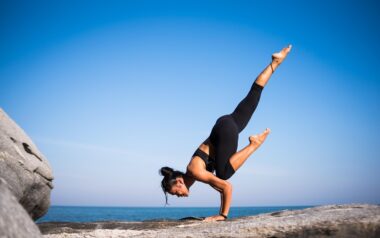
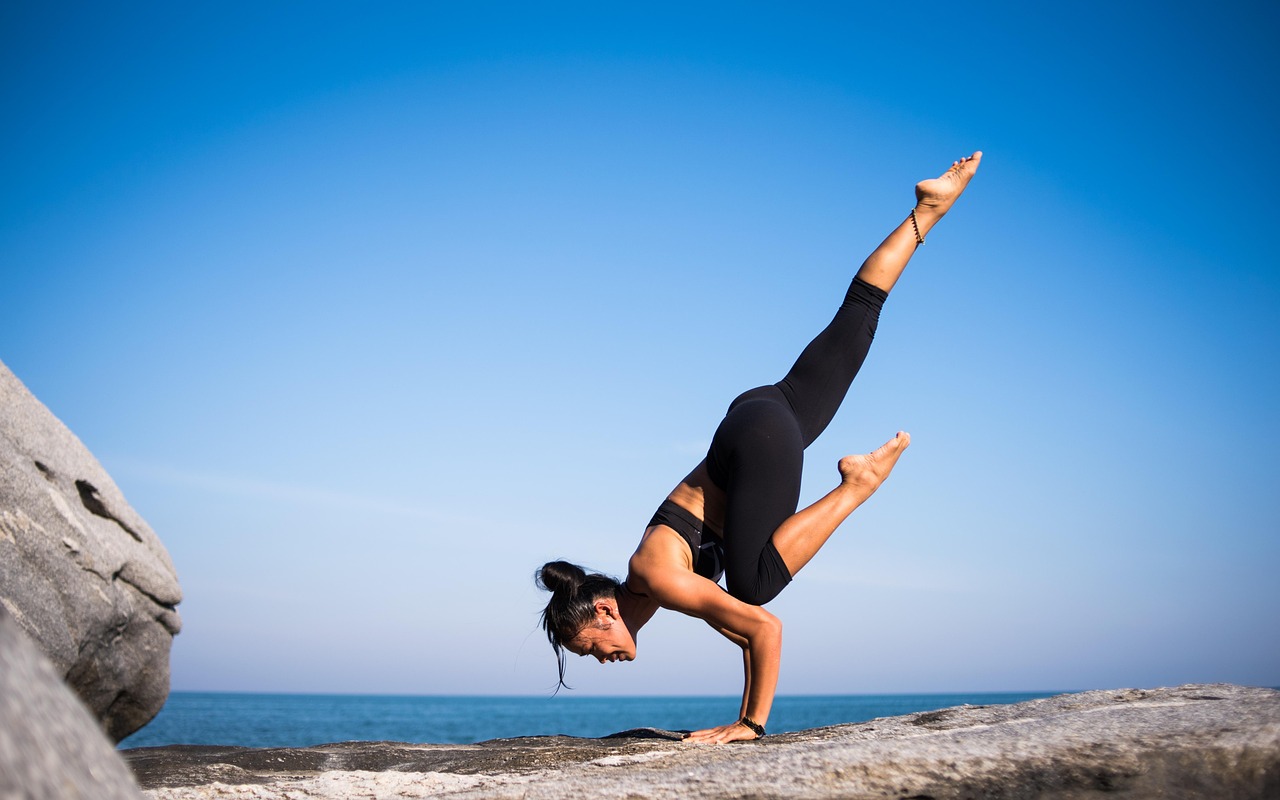
Balance exercises can be an essential component of a comprehensive fall prevention strategy. Regular practice of these exercises can significantly improve stability, strength, and coordination, reducing fall risks. Simple yet effective exercises include heel-to-toe walk, single-leg stands, and various forms of yoga or Pilates. These activities challenge your stability and help enhance proprioception. Incorporating dynamic movements, like tai chi, can further improve balance and flexibility while fostering mindfulness and focus. It’s also beneficial to engage in strength-training exercises targeting major muscle groups for enhanced support during daily activities. Standing on stable surfaces and slowly progressing to unstable surfaces, such as balance boards, can better prepare you for real-world scenarios. Consistency is key to seeing results, so make these exercises part of your daily routine. You should check with a healthcare provider before starting any exercise program, especially if you have pre-existing conditions. Group classes that focus on balance training can offer motivation, accountability, and social interaction, fostering a community-oriented approach to improved balance. Ultimately, regular practice will lead to increased confidence and mobility.
Creating a Safe Environment
Your home environment plays a significant role in fall prevention and safety. By implementing several key modifications, you can reduce hazards that may lead to falls. Start with decluttering your living spaces to eliminate trip hazards from loose rugs and cables. Ensure proper lighting, particularly in stairways and hallways, to enhance visibility. Consider installing handrails on both sides of stairs for added support. Non-slip mats in bathrooms can provide security where moisture levels are high. Additionally, using adaptive devices such as grab bars or shower chairs can greatly assist those with mobility issues. Regularly assess furniture placement to ensure clear pathways throughout your home. If necessary, consider seeking professional assessments or recommendations for potential modifications to further minimize risks. Keep emergency contact information handy and inform friends and family about your strategies for fall prevention. Utilizing technology, like personal emergency alarms, can provide peace of mind in case of falls. A proactive approach to creating a safer environment can significantly reduce the risk of falling and help maintain independent living.
In conclusion, knowing your risk of falls through balance assessments is essential for maintaining your health and independence. Understanding the factors contributing to balance challenges allows individuals to make informed choices regarding their lifestyle and environment. Establishing a routine that incorporates balance exercises can significantly enhance strength, coordination, and overall resilience. Awareness of common fall risk factors paves the way for proactive risk management strategies, urging individuals to address personal and environmental issues. Collaborating with healthcare providers and engaging in community resources dedicated to fall prevention creates a support network that empowers patients. Modifying home environments to minimize hazards contributes significantly to overall safety and confidence. Always remember that the journey towards improved balance and coordination is ongoing, and seeking help or additional resources is a sign of strength. Take the initiative to schedule regular balance assessments with your healthcare professional and follow through with recommendations. By prioritizing balance and fall prevention strategies, you not only protect yourself but also promote a healthy, active lifestyle.
Resources for Further Information
For those looking to expand their knowledge about balance and falls prevention, various resources are available. Consider reaching out to local community centers or senior centers offering balance and exercise classes specifically tailored for older adults. These programs often focus on education around fall risks and practical strategies for enhancing balance. National organizations, such as the Centers for Disease Control and Prevention (CDC) and the National Institute on Aging, provide valuable online information about fall prevention resources and education materials. Online platforms and websites also offer a wealth of videos showcasing proper techniques for specific exercises targeting balance. YouTube and other video-sharing platforms can be beneficial for visual learners seeking demonstrations. Additionally, consulting with a physical therapist or occupational therapist can yield personalized exercise plans focusing on balance. Local health departments may host workshops or community events aimed at fall prevention education. Remember, knowledge is empowerment, and understanding how to maintain balance effectively contributes to overall health and longevity. Gathering information equips you to take proactive steps towards enhancing your balance and reducing your fall risk.