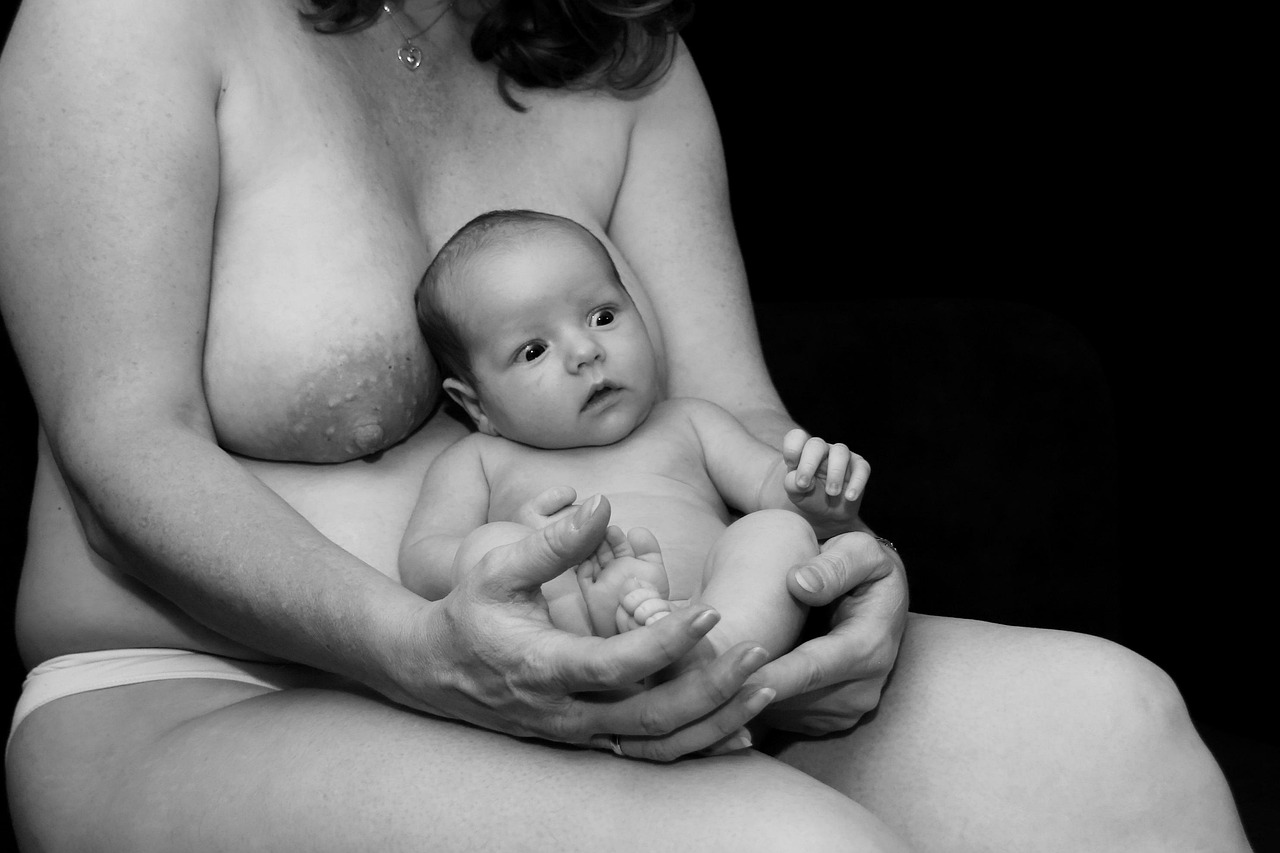

Postpartum Fitness: Avoid Neglecting Core Strengthening
After childbirth, many women focus primarily on shedding excess weight and restoring their pre-pregnancy figures, but often overlook the critical aspect of core strength. This neglect can lead to a variety of physical issues, including back pain and poor posture. It is essential to recognize that core strength is not only about aesthetics; it fundamentally supports overall body function. By ensuring that you incorporate specific postpartum exercises targeting core muscles, you can enhance your recovery. Common mistakes often made during this period stem from insufficient knowledge about which exercises are safe and effective. For instance, performing traditional crunches might seem tempting but can strain your body. Instead, opt for low-impact movements like pelvic tilts and gentle yoga poses. Consulting with a healthcare provider or a certified postpartum fitness expert is highly recommended. Creating a balanced approach that combines strength training, cardiovascular activity, and flexibility is ideal. Always listen to your body and avoid the misconception that faster is better. Embrace a gradual and mindful return to fitness, focusing specifically on your core to promote lasting strength and stability in your life.
Many new moms fall into the trap of rushing back into high-intensity workouts shortly after giving birth. This can be counterproductive and potentially harmful. It is crucial to understand that the postpartum period requires patience and care for one’s body. Most experts advise waiting a minimum of six weeks after a vaginal birth and sometimes longer following a cesarean section before initiating any strenuous physical activities. Listening to your body and recognizing the signs of readiness are equally important. Begin with gentle movements, focusing on reconnecting with your core and pelvic floor. The journey toward regaining strength begins with foundational work. Lack of core awareness can be a common problem, primarily due to the physical changes experienced during pregnancy. New mothers might be unaware of how to engage their abdominal muscles correctly. Incorporating breathing exercises can significantly aid in this process. These small, focused movements will gradually strengthen the deep core muscles without causing undue stress. Avoiding high-impact activities, especially early on, is also vital. Adopting a gradual progression can ensure that your postpartum journey remains safe and effective. Remember that healing should always be prioritized.
Understanding Your Body’s Changes
Throughout pregnancy and childbirth, your body undergoes significant transformation, particularly regarding the core and pelvic floor. One common issue many new mothers face is diastasis recti, a separation of the abdominal muscles, which can cause discomfort and an imbalance in the core. To effectively address this, understanding your body’s changes is crucial. This condition can often be managed and improved through targeted exercises focusing on the deep abdominal layer and pelvic muscles. Movements like the bridge and modified planks are beneficial. Awareness of your body’s unique state shapes your approach to postpartum fitness. Unfortunately, there is a prevalent misconception that postpartum exercise must involve intensive routines to be effective. Embracing restorative practices can be incredibly empowering. Gentle yoga provides not only physical benefits but also mental clarity and emotional balance. Building a solid foundation of strength doesn’t happen overnight; it requires dedication and consistency. Avoid imposing external pressures regarding appearance and results. Create a routine that honors your personal progress and healing journey. Seek guidance from professionals to learn safe exercises that cater to your specific postnatal needs. Every woman’s journey is different.
Another common mistake in postpartum fitness is the misalignment of fitness goals with personal health needs. Often, new mothers feel societal pressure to return to their pre-pregnancy body as quickly as possible, which can lead to hasty decisions about their fitness routines. Instead, setting realistic and health-focused goals should be the priority. It’s advisable to focus on regaining strength and functionality rather than solely aesthetics. This approach promotes a healthier mindset and fosters a more positive relationship with one’s body. Moreover, comparing your journey with others can be demotivating and unrealistic. Every woman’s recovery time varies due to different circumstances. Evaluate your physical capabilities first, and don’t shy away from asking questions. Whether it’s educating yourself about safe practices or joining postpartum fitness classes, becoming informed is an empowering step. Additionally, incorporating elements of self-care when exercising can enhance your experience. Activities such as meditation or mindful breathing, combined with physical exercise, can foster a holistic approach to health. Focusing on holistic wellness instead of just physical transformation can lead to greater overall success in your postpartum fitness journey.
Importance of Proper Alignment
Proper body alignment is essential while performing postpartum exercises, as it can significantly reduce the risk of injury and enhance effectiveness. Many new moms unknowingly adopt poor posture during workouts, which can result in back pain and other issues. Before diving into exercises, taking a moment to assess your posture is key. Being aware of proper alignment sets the stage for all movements, especially when re-engaging core muscles after pregnancy. For instance, maintaining a neutral spine while performing exercises like squats ensures optimal muscle activation. Pay attention to your breath; exhale as you engage your core during movements to achieve the best results. Adjusting your body position to support recovery and strength building is vital. When exercising the core, focus on stability and control rather than just repetitions. Moving mindfully promotes better engagement and a deeper connection with your body. Incorporating tools such as exercise balls or resistance bands can also aid in maintaining alignment and stability. Seek professional guidance when uncertain about your technique. Over time, building awareness of body mechanics significantly contributes to progress without compromising safety.
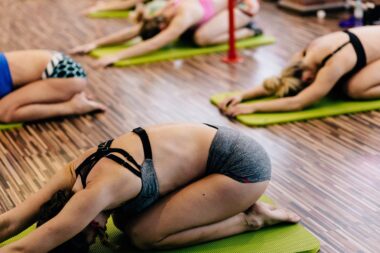
In addition to core strengthening, postpartum fitness routines must include flexibility work, particularly in the hips and lower back. Incorporating stretches can relieve tension and enhance mobility in areas that may become tight after childbirth. Therefore, a balanced fitness program should address both strength and flexibility to support recovery fully. Many new moms may find themselves hunched over while caring for their newborns, leading to muscle tightness. Visualization and intentional stretching help alleviate this tension significantly and promote a sense of comfort. Engaging in gentle yoga classes can support strength, promote healing, and increase flexibility. Embracing stretch techniques can provide further relaxation and enhance your physical well-being. Don’t rush through this process; slow and mindful movements yield better results in the postpartum phase. Prioritize self-care and restorative practices within your fitness routine. These elements cultivate a holistic approach to fitness that sustains both mental and physical well-being. Reconnecting with your body during this time can foster emotional resilience, thereby benefitting your overall recovery journey. Remember, being gentle with yourself as you navigate these changes is essential to developing a sustainable postpartum fitness plan.
Creating a Supportive Environment
A motivational environment can assist your postpartum fitness journey significantly. Surrounding yourself with supportive people can make a world of difference, providing encouragement and accountability. Consider joining a local or online postpartum fitness community. These spaces can offer resources, share experiences, and create connection among mothers facing similar challenges. Engaging in group workouts or classes tailored to postpartum needs reinforces that you are not alone in this process. Moreover, establishing a designated exercise space at home can promote consistency and focus during workouts. When you create a personal sanctuary for fitness, it may encourage you to engage more regularly. Laying out your exercise gear in advance could help ease the barrier to starting an activity. Additionally, inviting friends to join in workouts can make exercises feel less of a chore and more fun. Set small, attainable goals to help stay motivated and celebrate successes, no matter how minor. Documenting your journey can provide valuable insights and reflect on your progress over time. Cultivating a positive mindset and communal support fosters growth on multiple levels, enhancing your overall success.
As you dive into postpartum fitness, be prepared for the emotional rollercoaster that this journey may entail. The truth is, mental health cannot be overlooked during this crucial period. Engage in reflective practices such as journaling or mindfulness to stay aware of your emotional state. Care for your mental well-being as diligently as you would for your physical health. Additionally, don’t hesitate to reach out for professional help if feelings of anxiety or overwhelming sadness arise. Building a robust support system that addresses both aspects of postpartum recovery can boost your overall wellness. Including family and friends in your fitness journey allows them to understand your needs and limitations, providing support as necessary. Overall, embracing a mindful and empowering approach, while avoiding the common mistakes related to core strengthening, will propel you toward a healthier lifestyle. Remember, this journey is uniquely yours, and everyone progresses at their pace. Celebrate your successes while learning from the challenges. Patience, self-compassion, and clear communication with healthcare professionals are essential elements of this transformative experience. Recognizing and respecting your limitations while setting realistic fitness goals will yield the best results.