
Implementing Wearable Technology to Monitor Posture in Students
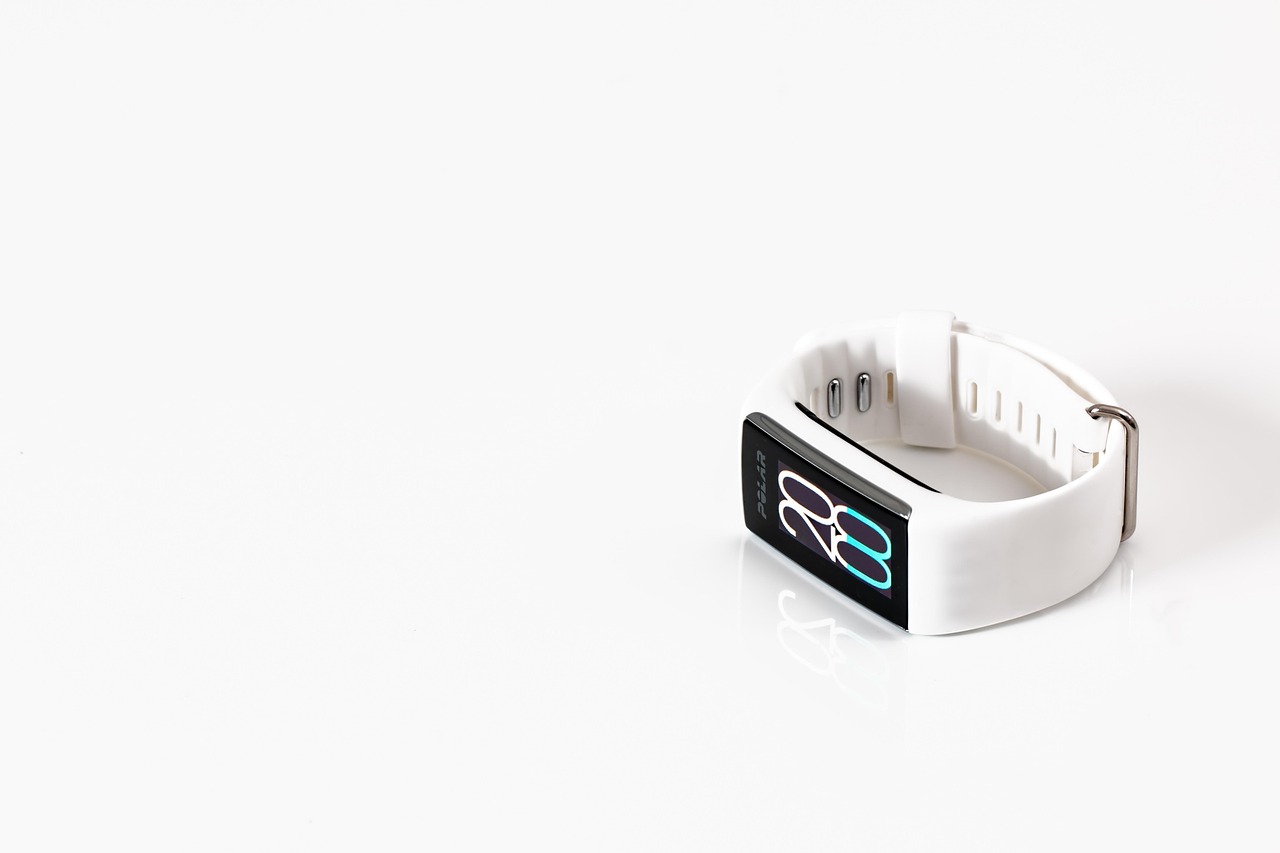
In the current educational landscape, student posture is a critical concern, particularly as many students spend long hours seated at desks. To address this, educational institutions are increasingly exploring the potential of wearable technology to monitor students’ posture effectively. Wearable devices can provide real-time feedback that can help students adjust their posture throughout the day, promoting better spinal health and reducing discomfort. This is vital in preventing long-term musculoskeletal issues that can arise from poor posture. Implementing these devices could lead to significant improvements in students’ physical well-being, boosting their overall engagement and academic performance. Moreover, wearable technology can track data over time, allowing educators to identify trends and make data-driven decisions about classroom ergonomics. With these advancements, schools can create a healthier learning environment by actively engaging students in monitoring their own posture. Educators should ensure that the use of technology aligns with educational goals while also emphasizing the importance of proper ergonomics. This holistic approach not only benefits students but also educates them about maintaining healthy habits beyond the classroom.
To ensure the effective integration of wearable technology in classrooms, it is crucial to select suitable devices that meet the needs of students. Various options are available in the market, ranging from smart bands to specialized posture trackers. Schools must evaluate these options based on features such as accuracy, comfort, and ease of use. The devices should be lightweight and unobtrusive, encouraging students to wear them daily without discomfort. Additionally, they should provide clear and actionable feedback to users, ensuring that students understand how to make corrections effectively. Schools should also prioritize user-friendliness in the design of these technologies, making it accessible for younger students. Training for educators on how to interpret the data and support students will be essential in maximizing the benefits of these devices. Furthermore, maintaining student engagement with the technology is important, incorporating gamification elements can motivate students to improve their posture actively. Colleagues can collaborate to create workshops focused on the importance of ergonomics, providing a supportive learning environment that reinforces healthy practices, both in and out of the classroom.
Benefits of Monitoring Posture
Monitoring posture through wearable technology can yield numerous benefits for students, especially in an educational setting. Good posture not only prevents discomfort and fatigue but also enhances focus and concentration during lessons. When students are less distracted by physical discomfort, they can devote more energy to their studies, resulting in improved academic performance. Furthermore, the use of wearables can instill a sense of responsibility among students as they become proactive in managing their health. This shift in mindset encourages them to take ownership of their ergonomic practices. Moreover, consistent posture monitoring can lead to a decrease in the frequency of classroom disruptions due to discomfort, ultimately promoting a more conducive learning environment. By integrating this technology into their daily routines, students can develop lifelong habits that prioritize good posture, thus improving their overall health and well-being. Schools will also benefit from reduced absenteeism as students are less prone to developing posture-related health issues. With a focus on health and education, schools can foster environments that support students as they grow and learn, preparing them for a successful future.
Although the benefits of wearable technology in monitoring posture are evident, challenges also accompany its implementation. Costs can be prohibitive for some educational institutions, dissuading them from adopting such technology. Investing in these devices involves not only the initial purchase but also ongoing maintenance and potential upgrades. To counter these financial obstacles, schools could explore partnerships with technology companies or grant opportunities designed to enhance educational resources. Additionally, addressing privacy concerns is vital, as wearable devices collect personal data. Schools must ensure secure data handling practices to protect student information and maintain trust. Educators must be transparent about how data is used and its benefits to all parties involved. Furthermore, not all students may be receptive to wearing devices, necessitating strategies to encourage usage. Through awareness campaigns and educational discussions about the value of good posture, schools can increase student buy-in and participation. With these hurdles in mind, a thoughtful approach to the integration of wearable technology is crucial for maximizing its potential benefits in the educational context.
Creating an Ergonomically Sound Learning Environment
Integrating wearable technology is only part of the solution; schools must also strive to create an ergonomically sound learning environment. This involves evaluating classroom furniture and layout to ensure that it promotes proper posture for all students. Adjustable desks, ergonomic chairs, and appropriate screen heights are fundamental elements of a well-designed classroom. By providing students with the right tools, schools can facilitate proper posture without relying solely on wearable devices. Conducting regular assessments of classroom ergonomics can help identify areas that require improvement. Additionally, teachers should incorporate posture awareness lessons into the curriculum, emphasizing the importance of maintaining good posture while seated or standing. Workshops led by health professionals can enhance both teacher and student understanding of ergonomics. Furthermore, fostering an open dialogue about the connection between posture and learning can inspire students to adopt healthy habits. By combining technology with deliberate ergonomic practices, educators can create a holistic approach that not only protects student health but also elevates their intellectual performance, ultimately contributing to their success in school and life.
As the conversation around student health and wellness evolves, integrating ergonomic practices with technology will become increasingly important. Schools must remain aware of the latest developments in wearable technology, continuously assessing how new innovations can further improve student well-being. Collaboration among educators, parents, and technology manufacturers is essential for developing tailored solutions that meet students’ unique needs. Encouraging feedback from students regarding their experiences with wearable devices is also beneficial, as it provides valuable insights into their effectiveness. Creating a culture of health and wellness within schools will require ongoing commitment and adaptability. Ultimately, successful implementation of technology and effective ergonomic practices can revolutionize how students engage and thrive in educational environments. By taking a proactive approach to monitoring posture and health, schools will foster a generation of learners who prioritize their well-being. This holistic focus will not only influence their academic success but also prepare them for healthier futures, where they value proper ergonomics in all aspects of life. As educational institutions embark on this journey, they will lead the way in promoting the importance of a healthy lifestyle through innovation and education.
Conclusion
Implementing wearable technology to monitor posture in students represents a significant opportunity to enhance their educational experience. The convergence of technology and health practices will usher in a new era of ergonomics in education. Through the thoughtful integration of monitoring devices, ergonomic furniture, and educational programs, schools can create environments that prioritize student health. Parents and educators can work in tandem to cultivate awareness around proper posture, reinforcing healthy habits in daily life. As wearable technology becomes more accessible and affordable, its role in monitoring and improving students’ ergonomics will only grow. Schools must be prepared to embrace these advances and address the challenges accompanying them. In turning focus towards posture and well-being, educational institutions will not only improve students’ experiences in the classroom but also equip them with the tools and knowledge necessary for lifelong health. Collectively, we can pave the way for a healthier future by valuing the intersection of technology and ergonomics in education. By focusing on these elements, we can ensure that students receive the support they need to thrive academically and personally.
The growing emphasis on effective posture monitoring through technology presents numerous possibilities for educational reform. Schools can lead the change by adopting holistic approaches that prioritize student health while enhancing academic focus. Educators, students, and parents can work collaboratively to create healthier classroom environments. Incorporating flexible seating, interactive learning activities, and posture awareness programs will promote engagement while helping to instill healthy habits. As we embrace this transition, it is essential to remain mindful of challenges while staying focused on fostering a solution-oriented culture. With continuous efforts in integrating innovative technologies and teaching ergonomics, we can create better educational atmospheres that support both student wellness and achievement. Monitoring posture is only the first step towards reimagining health in schools, but it is a critical one. Ultimately, preparing future generations for success encompasses far more than academic achievement – it requires a commitment to their overall well-being. By addressing posture, we empower students to take ownership of their health, paving the way for millions to thrive in all facets of life.