
Tips for Incorporating Healthy Fats in Post-Workout Meals
Including healthy fats in post-workout meals can significantly enhance recovery, providing essential nutrients. Fats play a crucial role in managing inflammation and improving muscle recovery. They help in sustaining energy levels, which is vital after an intense workout. Whole foods containing healthy fats, such as avocados, nuts, and seeds, contribute more than mere calories; they are integral to your body’s overall functionality. By adding healthy fats to your post-workout nutrition, you can also help absorb fat-soluble vitamins, which are critical for overall health. Aim to include some form of healthy fat within 30 minutes to an hour after your workout to maximize benefits. This strategy not only promotes muscle repair but also ensures that your body is adequately fueled. Additionally, balanced meals incorporating fats can assist in stabilizing blood sugar levels, promoting effective nutrient absorption. Consider the combination of fats with lean proteins and carbohydrates for an optimal recovery meal. Overall, incorporating healthy fats isn’t just about nutrition—it’s about nourishing your body effectively after rigorous physical activity.
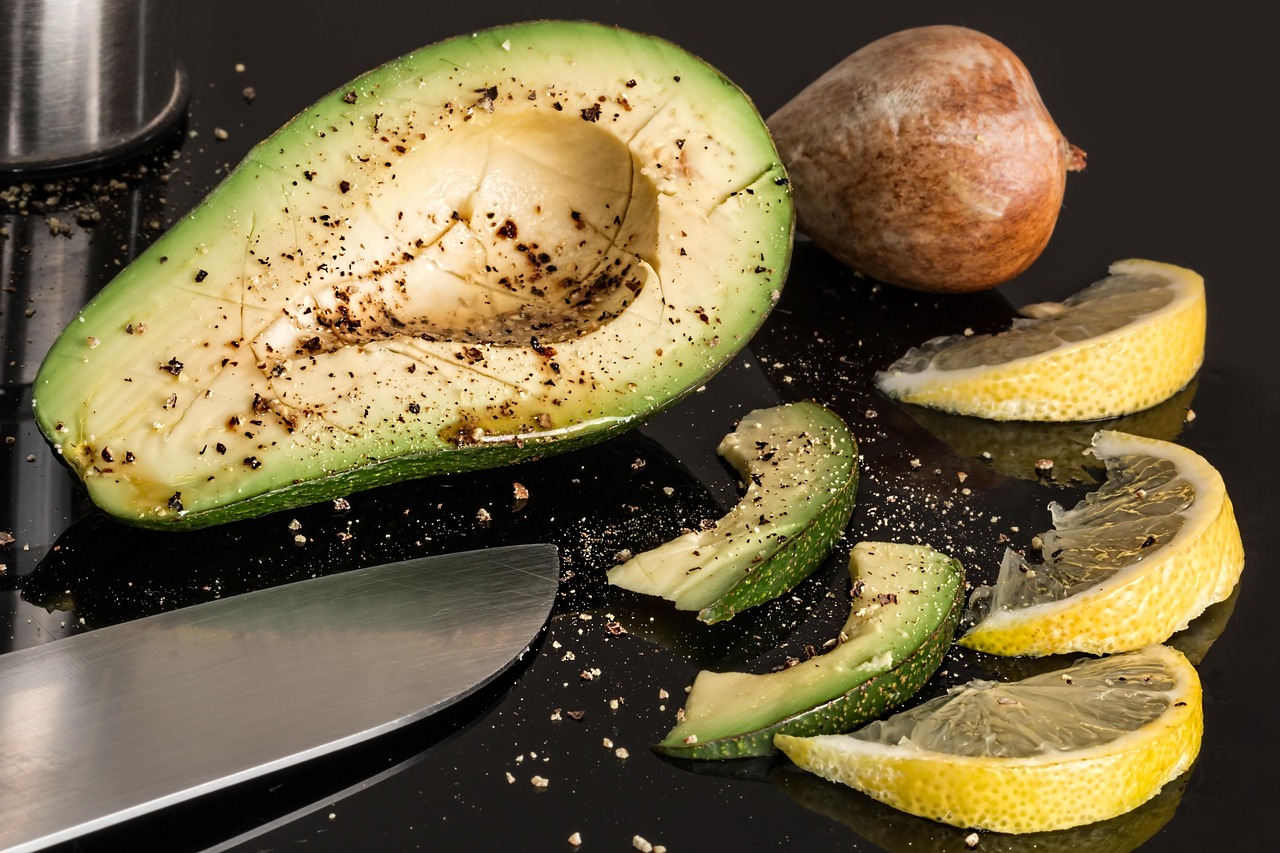
Your choices of healthy fats can vary significantly, each offering unique benefits. For example, the omega-3 fatty acids found in fish like salmon can reduce muscle soreness and enhance recovery. Additionally, plant-based sources like walnuts and chia seeds provide not only healthy fats but also fiber and protein. Using these ingredients in post-workout meals can keep you satiated while ensuring you meet your nutritional needs. Avocados, rich in monounsaturated fats, are versatile and can be added to smoothies, salads, or toast for a nutrient-packed recovery. Nut butter is another excellent option, contributing creamy texture and taste; it pairs well with fruits for quick nourishment. If you’re looking for convenience, pre-made options like hummus or guacamole can also be effective. They are easily accessible and packed with healthy fats. Experimenting with various combinations can help keep meals exciting and flavorful. Merging healthy fats with carbs and proteins provides a balanced post-workout fuel. Lastly, understanding your body’s specific needs is necessary to tailor your fat intake effectively. A little planning can go a long way in enhancing post-workout nutrition.
It’s important to think about portion sizes when incorporating fats into your recovery meals. While healthy fats are beneficial, they are calorie-dense. Thus, moderation is key. Generally, the recommended serving size for nuts is about one ounce or a small handful. This amount can deliver healthy energy without excess calories. For avocado lovers, a quarter to half of a whole avocado offers a satisfying and nutritious option. Drizzling a small amount of olive oil over your vegetables can add flavor while promoting healthy fat intake. Always remember that the goal is to achieve a balance. Too much fat can hinder your recovery plans as it may slow digestion. Instead, aim for a harmonious relationship between proteins, carbs, and fats for optimal performance. Selecting high-quality fat sources is also essential. Organic options are often recommended, as they reduce exposure to harmful pesticides. Meal preps can greatly assist you in keeping your fat intake in check. Preparing meals ahead of time allows you to control portion sizes and includes a combination of necessary macronutrients. Ultimately, listening to your body will help you make balanced fat decisions.
Enhancing Taste with Healthy Fats
Adding healthy fats to your post-workout meals doesn’t just serve nutrition, it elevates taste. Incorporating them can transform ordinary dishes into delightful meals. For instance, using a drizzle of tahini in a salad can add richness while contributing omega-3 fatty acids. Additionally, flavored oils like garlic-infused olive oil can enhance the taste profile of even the simplest meals. Don’t forget cooking with healthy fats; sautéing vegetables in coconut oil can offer distinct flavor benefits. Mixing healthy fats into smoothies can provide creamy textures and improve flavors considerably. Experimenting with spices and herbs alongside fats can result in flavorful dishes that you’ll look forward to enjoying. You can also combine fats with fruits, making energy bites or healthy desserts that double as recovery snacks. This way, you’ll satisfy taste cravings while nourishing your body effectively. Flavor should not be neglected in nutrition—a meal that delights you is more likely to be enjoyed consistently. Keep creativity alive in the kitchen; consider fantastic recipes that highlight healthy fats, making post-workout meals a more enjoyable experience overall.
Including healthy fats doesn’t have to compromise your fitness goals. In fact, they can complement performance by ensuring proper hormonal function and nutrient absorption. Hormones play an essential role in regulating recovery, mood, and muscle building. Therefore, obtaining the right amount of healthy fat can ultimately affect your results. Experts recommend that athletes include between 20% to 35% of total daily calories from fats, focusing primarily on those that are unsaturated. Maintaining an adequate intake of healthy fats can boost energy levels and improve mental clarity. This balance promotes effective training and superb recovery. It is also crucial to reassess how your body responds to different fat sources; everyone’s metabolism is distinct. Keeping a food diary may help track how specific fats enhance your recovery. Monitoring symptoms such as inflammation or fatigue can provide insights into what’s working for you. If a particular food doesn’t agree with you, don’t hesitate to switch it up. Above all, creating a post-workout plan with healthy fats in mind will yield long-term benefits that align with fitness goals.
Meal prepping is a wonderful strategy to ensure you’re consistently fueling your body with healthy fats post-workout. Creating balanced meals in advance not only reduces cooking time but helps control portions effectively. You can designate specific days for meal preparation, ensuring that you always have easy access to nutritious meals. Consider preparing jars of overnight oats blended with nut butter and seeds. They can provide quick nourishment to aid recovery. You can also roast vegetables with a healthy oil, batch-cooking enough to last several days. This approach guarantees a variety of flavors while ensuring that you get your necessary nutrients. Planning your grocery list and including healthy fats will facilitate the process. Always prepare a diverse range of healthy fat foods; avocados, nuts, or seeds should be staples. Having these ingredients ready will encourage you to follow through with your nutrition goals. Always remember that convenience plays a significant role in diet adherence. By preparing ahead, nourishing post-workout meals become effortless and enjoyable rather than an afterthought.
Final Thoughts on Fats and Recovery
In conclusion, incorporating healthy fats into your post-workout meals can greatly enhance recovery, energy levels, and overall health. These fats should be viewed as essential components of a balanced diet rather than merely incidental. By selecting high-quality fats and being vigilant about portion sizes, you can maximize benefits without overindulging. Always aim for balance—combine fats with adequate proteins and carbs to ensure comprehensive recovery. Staying consistent with nutrient-dense meals encourages sustainable habits that can elevate your fitness journey. Moreover, don’t forget to listen to your body’s needs, as individual responses will vary. Taking the time to evaluate your dietary patterns will help you adjust as necessary. Engaging in meal prep, exploring tastes, and being creative with recipes allow you to enjoy your food while meeting your nutritional needs. Ultimately, healthy fats can contribute tremendously to your performance and wellness. Embrace these nutrient-rich sources, and you’ll likely notice a positive impact on your recovery efficiency and overall fitness results. Make healthy fats an integral part of your post-workout nutrition strategy.