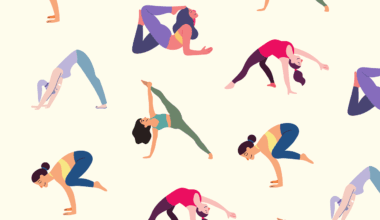

Pilates for ADHD: Enhancing Concentration through Fitness
Attention Deficit Hyperactivity Disorder (ADHD) affects millions globally, leading to difficulties in sustaining attention and controlling impulses. Individuals often seek various treatments, and integrating fitness regimes, particularly Pilates, can play a pivotal role. Pilates, a mind-body workout, emphasizes alignment, breathing, and core strength, which can cultivate focus and self-discipline. Research indicates that physical exercise, including Pilates, boosts dopamine levels, enhancing attention and engagement. Through controlled movements, participants gain improved coordination, positively impacting their cognitive processing skills. Embracing this fitness method brings a holistic approach, merging physical health with mental clarity. Additionally, Pilates encourages mindfulness, which is crucial for ADHD managing. Regular practice helps individuals to channel their energy constructively. Enhanced body awareness reduces fidgeting, a common problem among individuals with ADHD. Moreover, personalized Pilates routines can cater to specific challenges faced by these individuals, ensuring they remain engaged while working toward fitness goals. This personalized approach allows for adjustments, making it more effective in developing concentration over time.
Pilates not only enhances physical fitness but also serves as a therapeutic outlet for emotional regulation. For ADHD individuals, managing emotions can be particularly daunting. Pilates sessions provide a structured environment that fosters emotional expression and release. The act of concentrating on controlled movements cultivates a serene mindset, reducing anxiety and stress often linked to ADHD. When the body engages in rhythmic movement, it triggers the release of endorphins, essential for mood enhancement. This physiological response can reduce impulsivity and irritability, common traits seen in those with ADHD. Furthermore, joining a Pilates class nurtures social skills and can promote community building among participants, particularly benefiting children and adolescents. Interaction within a group setting allows individuals to develop friendships while positively impacting their mental health. As they experience shared challenges and accomplishments, emotional validation occurs, fostering confidence. The sense of belonging can ultimately lead to improved focus and motivation in various life aspects. Therefore, Pilates transforms not just physical health but contributes significantly to emotional resilience, essential for overcoming ADHD symptoms.
Another significant benefit of Pilates for ADHD management is the development of routines. Routines are essential for individuals with ADHD, providing necessary structure in their daily lives. Participating in Pilates classes regularly reinforces a habit that allows individuals to remain organized. This consistency improves their time management skills. Developing a routine around Pilates encourages planning and prioritization, leading to enhanced cognitive functions. Incorporating exercises into daily schedules not only establishes a rhythm but also promotes discipline, often challenging for those with ADHD. The focus required during Pilates also shifts attention away from distractions, honing the organizational skills needed in various life contexts. Moreover, when individuals set fitness-related goals, they experience a sense of achievement, further motivating them. Enhancing their commitment to Pilates can positively influence their academic performance or professional tasks. It instills a sense of responsibility and accountability, essential qualities that often require reinforcement in ADHD management. Thus, Pilates proves useful in not only addressing fitness needs but also facilitating the development of structures necessary for productive living.
Mindfulness and Breathing Techniques
In addition to physical benefits, Pilates also emphasizes the importance of mindfulness and breathing techniques. For individuals with ADHD, mindfulness is critical in cultivating a focused mind. Pilates inherently involves breathing coordination with movement, promoting deep breathing practices that reduce tension. This combination allows individuals to center their thoughts, minimizing distractions during workouts and beyond. The emphasis on controlled movements encourages participants to maintain focus on their bodies, which translates to an increased ability to stay present in various situations. Mindfulness techniques learned through Pilates can be applied to daily activities, allowing individuals with ADHD to improve their attention spans. Moreover, conscious breathing during Pilates helps ground emotions, promoting clarity and reducing impulsive reactions. As individuals become more in tune with their bodies, they learn to recognize signs of anxiety rising, enabling them to respond effectively. Incorporating mindfulness into fitness ensures comprehensive ADHD management. Mindfulness-based Pilates can seamlessly transition into relaxation strategies usable in everyday life, further assisting those impacted by this disorder. Hence, the combination of movement and mindfulness presents a substantial advantage in navigating ADHD challenges.
Moreover, Pilates enhances fine and gross motor skills, essential for overall coordination. This improvement significantly benefits ADHD individuals, who may struggle with motor control and spatial awareness. By developing motor skills through Pilates, individuals gain confidence, building essential life skills. Enhanced coordination helps reduce clumsiness, allowing individuals to participate in various physical activities without feeling disadvantaged. As motor skills improve, they also positively impact academic performance – particularly in tasks requiring writing or sports. Furthermore, improved coordination relates to better social interactions, as children with ADHD may find sports challenging. As their confidence rises through mastery of movements, there’s a greater likelihood of engagement in team sports or recreational activities. Increased physical literacy enables individuals to communicate through movement, enhancing social skills. School environments witness an improvement, as children can concentrate better during classes and transitions. Thus, Pilates offers a pathway toward overall developmental growth. This effectiveness aligns well with evidence-based practices that echo the importance of physical engagement in managing ADHD symptoms. Pilates is thus an invaluable tool in addressing these skills while fostering a sense of achievement.
Long-Term Benefits of Consistent Practice
Long-term benefits of Pilates practice extend beyond immediate improvements in focus and emotion regulation. As individuals with ADHD engage consistently with Pilates, they develop a profound understanding of their bodies and minds. Such awareness encourages ongoing self-reflection, facilitating personal growth. Moreover, the continuous challenge presented by Pilates strengthens mental perseverance, instilling skills necessary for overcoming future obstacles. New routines developed during practice prepare individuals to face the uncertainties associated with ADHD. Setting personal goals offers a motivating framework through which they can measure improvement over time. Regular assessments of progress boost confidence, allowing individuals to embrace challenges. As various skills blend through Pilates, adaptive thinking flourishes, equipping them with strategies for problem-solving. Individuals experience an internal shift as they become more resilient, significantly impacting their daily interactions and environment. These skills translate into improved academic performance and interpersonal relationships. Importantly, by noting their growth, individuals understand the significance of commitment to self-improvement. Emphasizing long-term growth, Pilates fosters a journey toward mental wellness that persists beyond the workout mats.
Lastly, the impact of Pilates on ADHD management is pronounced and multi-faceted. It serves as a critical component in a larger treatment strategy, addressing mental and emotional challenges through physical engagement. As individuals navigate the complexities of living with ADHD, integrating Pilates into regular fitness routines provides a powerful ally. Furthermore, community support cultivated through group classes fosters motivation, helping individuals remain committed to their fitness journey. They learn that pursuing fitness extends beyond the personal realm; it enriches social connections as well. Importantly, engaging in Pilates may also inspire interest in other forms of exercise. Encouraging exploration of various fitness avenues nurtures a holistic approach to health and wellness. As they commit to their Pilates practice, improvements surface in their lives, offering hope and encouragement. In conclusion, the intersection of Pilates and ADHD management represents a remarkable movement toward empowerment. By fostering physical, emotional, and cognitive balance, Pilates transforms lives, encouraging individuals to take charge of their mental health. The compelling nature of this fitness method ignites a profound journey of discovery and growth.