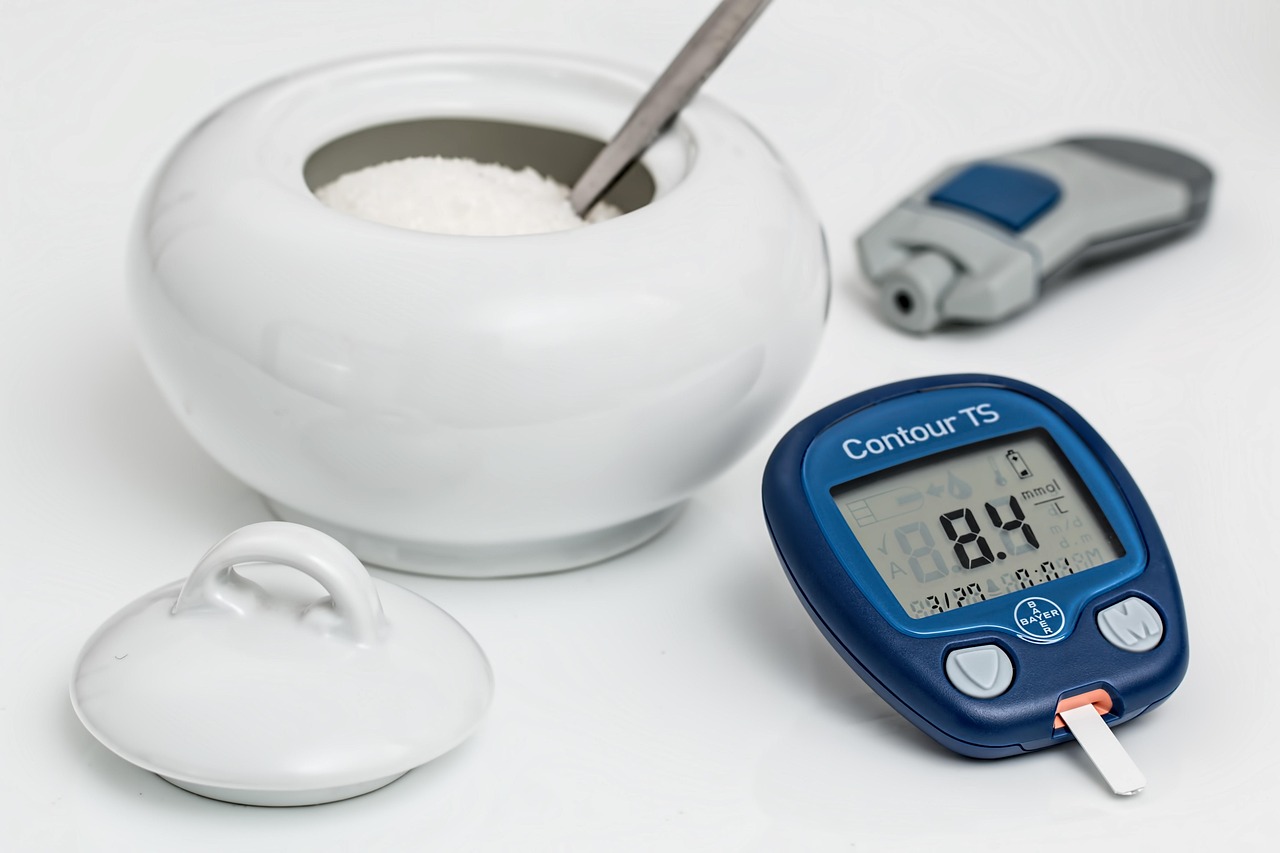

Monitoring Blood Sugar Before, During, and After Physical Activity
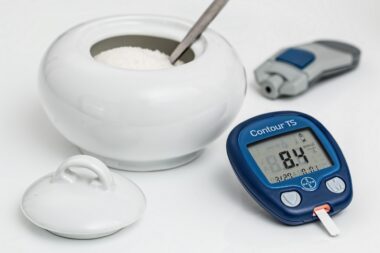
Monitoring your blood sugar levels is crucial, especially for individuals with diabetes engaging in physical activity. Understanding how exercise affects these levels helps in managing your overall health effectively. It begins with pre-activity blood sugar checks. Ideally, testing should occur before starting any exercise. The ideal range is typically between 80-130 mg/dL, ensuring it’s safe to proceed. If levels are too low, consume a carbohydrate-rich snack to raise them. Conversely, high levels might necessitate waiting before exercising. Paying attention to the type and intensity of exercise is essential as these factors come into play. For example, prolonged activities or high-intensity workouts can lead to significant insulin sensitivity changes. Planning how you’ll monitor during activities is advisable, particularly if you are engaging in longer workouts. Keeping glucose tablets or quick-sugar solutions handy is critical. Regular checks throughout workouts provide real-time feedback. Remember to hydrate, as dehydration can also influence blood sugar levels. After physical activity, testing is just as important to ensure stable levels. Always keep records of your readings to identify patterns, which aids in future planning and management.
Understanding the Impact of Exercise
Engaging in physical activity can profoundly affect blood sugar fluctuations. Understanding the impact of exercise on your glucose levels empowers better decision-making. Factors influencing blood sugar include exercise type, duration, intensity, and individual responses. Aerobic activities, such as running or cycling, can lower blood sugar levels, while resistance training can have varying effects. The body’s response may differ based on the fitness level and overall health of each person. Consistent monitoring can help in identifying individual reactions. For instance, some may experience a drop in levels post-light or moderate activities, while others might see a spike if exercise intensity is too high. Additionally, individuals using insulin or medications must pay extra attention; adjustments to dosage may be necessary to avoid hypoglycemia during or after workouts. Incorporating gradual changes in physical activity encourages stability. It’s important to note how these variations can affect your overall health and fitness goals. Listen to your body and adjust your plans based on your experiences. Collaborate with healthcare professionals for personalized advice and adjustments, ensuring an effective management plan for blood sugar while maintaining fitness.
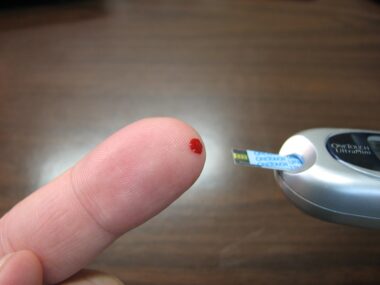
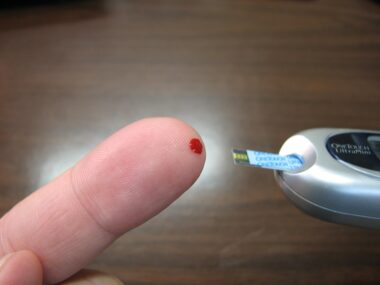
During exercise, maintaining awareness of your body’s signals is crucial for effective blood sugar control. Being proactive in monitoring is key. Regularly checking your blood sugar levels gives you insight into how your body is responding to various exercises. Intrusive symptoms such as fatigue, dizziness, and irritability can indicate low sugar levels, requiring immediate attention. Carrying a glucometer allows for quick testing during activities, ensuring informed decisions pertaining to nutrition and supplementing as necessary. It is crucial to remember that not all exercises lead to the same effects; running may lower blood sugar while strength training could raise it. During workouts, instead of solely focusing on performance, engagement is also essential for ongoing awareness of physical well-being. A pre-planned approach to fitness ensures preparedness for any fluctuations in blood sugar levels. Developing a routine of consistent testing can help in recognizing patterns. Establishing a quick method for snacking during workouts keeps levels balanced and preemptively counteracts dramatic changes. Maintaining acute awareness ensures a safer and more enjoyable workout experience while safeguarding your health.
Post-Exercise Monitoring and Nutrition
After exercising, post-activity blood sugar monitoring is paramount for effective diabetes management. After finishing your workout, take time to test your blood sugar levels once again. Recording this data helps create a personalized understanding of how your body typically responds. The aim is to maintain stable levels; if levels drop too low, replenishing with carbohydrates within 30 minutes of finishing exercise is advisable. Nutritional choices matter as well; consider incorporating a blend of proteins, carbohydrates, and healthy fats to aid recovery. Foods such as nuts, yogurt, smoothies, or whole-grain snacks serve as beneficial options post-workout. Reflecting on the connection between food intake, activity levels, and blood sugar regulation enhances long-term success strategies. Review your activities regularly with healthcare professionals to identify what adjustments may be necessary in both exercise and nutrition. Staying consistent with monitoring reinforces the foundational element of knowledge in managing blood sugar levels. Develop a comprehensive post-exercise plan that includes hydration and rest, as these contribute enormously to overall health restoration and blood sugar stabilization.
Creating a personalized blood sugar monitoring plan is essential for active individuals with diabetes. Incorporate recommendations that consider your specific condition, fitness level, and lifestyle. Commit to tracking blood sugar metrics consistently, which includes frequent testing prior to, during, and after physical activities. Decide how often you need to test based on your recent experiences and learnings. Keeping a detailed log will provide insights into patterns and trends that develop over time. This enables adjustments to your routine accordingly. Consider working closely with healthcare providers to tailor a methodology suited to individual needs. Consultation ensures that exercise plans do not compromise blood sugar stability and overall health. Further, additional education regarding carbohydrate counting and meal timing strengthens self-monitoring and management. Utilizing apps or journals can aid in tracking both exercise and nutrition. Sharing this data during check-ins with healthcare providers fosters constructive dialogues and adjustments. Personalization, combined with regular feedback, optimizes fitness outcomes while maintaining blood sugar levels effectively.
Maintaining Consistency and Safety
Consistency in monitoring is critical for individuals managing blood sugar effectively. Develop routines that marry physical activity with regular monitoring, ensuring a balanced lifestyle. Exercising without understanding immediate glucose responses could lead to undesired episodes. Consistency aids in predicting how different fitness activities influence your body. Remember that safety is paramount; always prioritize having a testing kit nearby during any workout session. Communicate plans with trainers and workout partners to foster supportive environments while remaining engaged in self-care practices. Empowering yourself with knowledge of how your body behaves during various exercises cultivates beneficial habits over time. Engaging in group exercise can also create a supportive community conducive to learning and monitoring together. Leverage technology as it enables easier tracking of performance and glucose levels. Wearable devices and health apps support proactive management through notification functions, contributing to informed decisions throughout the day. Ultimately, the goal is finding a healthy balance that maximizes fitness and creates stability in blood sugar management over time. Staying committed will lead to more substantial fitness results while minimizing risks in managing your overall health.
In conclusion, effectively managing blood sugar through active monitoring before, during, and after physical activity is fundamental for those with diabetes. Recognizing individual responses to exercise emphasizes the need for personalized strategies tailored to specific needs. Develop comprehensive monitoring plans that incorporate consistent testing and informed nutritional choices for optimal health. Engage with fitness plans that are adjusted based on experience through both friendly consultation and personal logs. Emphasize how integrating hydration plays a long-term role in stabilizing blood sugar. Encourage active participation in community activities that enhance both knowledge and experience around fitness and blood sugar management as strong social support reinforces positive habits. Continuous monitoring fosters ongoing awareness, leading to informed choices during workouts and steady stabilization. Prioritize personalized routines alongside healthcare discussions towards achieving a healthier lifestyle. As individuals grow more knowledgeable, confidence and safety in managing blood sugar while maintaining a fitness lifestyle will flourish. Along with information and preparedness, the journey towards ongoing health is both manageable and rewarding.
Challenges and Solutions for Monitoring
Monitoring blood sugar levels presents various challenges, particularly in dynamic environments during physical activity. Additionally, circumstances may arise that complicate readings, such as high-intensity training or unexpected stress. Identifying these challenges is essential. Be prepared to recognize when assistance or adjustments are necessary. Also, maintaining access to a reliable glucometer, as well as test strips, is vital for accurate testing. Consider discussing low-cost options or advanced technologies that integrate into daily life. Various approaches to training may have diverse impacts; thus, flexibility in methods can contribute to optimal management. When blood sugar levels consistently fluctuate during workouts, consider adjusting meal plans or medication regimens. Adapting nutritional intake to align with activity levels enhances overall performance and control. The power of community support cannot be understated; engaging in groups encourages shared learning, where individuals brainstorm effective solutions collaboratively. Open dialogues with healthcare professionals further identify potential pitfalls in workout routines while discovering innovative adjustments. Ensuring consistent blood sugar control is an ongoing journey, and insights lead to improved strategies for balanced fitness and health.