
Recognizing Signs of Overexertion in Senior Fitness
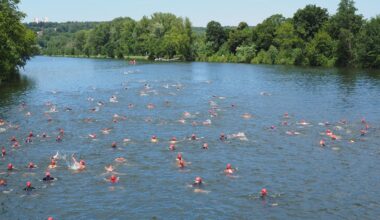
Understanding the signs of overexertion is crucial for seniors engaging in any fitness program. Overexertion can lead not just to physical injuries but also to serious health complications. Some common symptoms include dizziness, extreme fatigue, and shortness of breath. Seniors often push themselves harder than they should; thus, recognizing these signals is vital for their safety. It’s essential to encourage seniors to listen to their bodies. When they feel tired or experience unusual pain, they should stop their activities and rest. Promotion of gentle activities such as walking or swimming is advisable. These exercises are less likely to cause strain while still providing important benefits. Regular breaks are also essential during exercise sessions, allowing seniors to hydrate and rest. The importance of warming up before any activity can’t be overstated either. This practice helps prepare muscles and reduces the risk of injury. Seniors should be reminded that they can have effective workouts while remaining safe. Consultations with healthcare professionals can offer tailored advice that accounts for individual fitness levels and any underlying conditions. Developing a personalized plan will safeguard their workouts, promoting both safety and health.
Seniors should be continuously aware of their personal limits during exercise. It’s significant to incorporate low-impact activities and emphasize moderation. Pay attention not just to how they feel physically, but also to their mental state. Mental exhaustion can contribute to overexertion just as much as physical weariness. This means not ignoring signs like confusion or nausea. Encouragement to rest between sets, as well as engaging in lighter sessions, can make a big difference. Social support can also play a key role in keeping seniors motivated without overdoing it. Having a workout buddy can help individuals stay accountable while allowing them someone to share their experiences with. This buddy system works as opposed to pushing each other beyond safe limits. Additionally, proper hydration is essential for seniors during any fitness activity to avoid discomfort and decreased performance. They should remember that taking a sip of water and cooling down is just as important as their exercise routine. Establishing a consistent but flexible exercise schedule will foster habitual participation in physical fitness regimes. Celebrate small achievements, motivating newcomers to stay active and informed regarding their personal fitness journeys.
Recognizing Physical Symptoms
Physical symptoms that indicate overexertion are critical to you. Noticing changes in breathing patterns or an unusual racing heart can help in identifying when a senior has exerted themselves too much. Similarly, frequent muscle cramping may be an early sign that it’s time for a break. Watch for signs of excessive sweating under normal circumstances; this could symbolize a problem. Taking time to cool off after more intensive activities is crucial for safety. When seniors experience joint pain or discomfort during an activity, it’s essential for them to stop and evaluate the need for rest. Abdominal pain is another warning sign that they may be pushing too hard. As a precaution, consulting a healthcare professional when these symptoms arise is always a good approach. Walking or stretching may help, but only if pain is a mild ache rather than sharp or sudden. By recognizing these signs early, seniors can protect their bodies while still enjoying physical activity. Focus on cultivating awareness surrounding their body’s cues and educate them on respecting personal limits during physical exercise to promote a happy and healthy lifestyle.
Mental symptoms also play an important part in recognizing when a senior has overexerted themselves. Feelings of anxiety, extreme fatigue, or confusion can be indicators of overexertion. Mental exhaustion can sometimes manifest itself as physical discomfort too, making it essential to differentiate the signals. Encourage regular mental breaks between physical activities, enabling them to refocus and refresh. Simple activities like meditation, mindfulness, or even light stretching can revitalizing their energy levels. If feelings of anxiety or overwhelm occur, it may be a sign that they should reassess their fitness regimen. Staying connected with family and friends can also help alleviate symptoms that may arise during exercise routines. In addition, encouraging open conversations about feelings can boost confidence and resilience. It’s vital for seniors to understand that taking time for themselves doesn’t reflect weakness—it indicates self-awareness. Great fitness plans focus not just on physical health, but also mental wellness. Additionally, understanding the balance of mental and physical well-being enhances overall quality of life. Taking a holistic view of fitness leads to improved health outcomes and long-term sustainability.
The Role of Professional Guidance
Consulting fitness professionals can provide tailored advice that helps seniors maintain safe exercise practices. A trainer with experience in senior fitness can design adaptive programs that account for any limitations. These professionals can help in setting realistic goals, ensuring that each session remains within a safe capacity. They can monitor seniors closely for any signs of overexertion during workouts. Personalized suggestions can aid in discovering suitable alternatives if certain exercises become too demanding. More importantly, fitness professionals can incorporate enjoyable activities that maintain enthusiasm towards regular exercising. Their expertise ensures seniors learn proper techniques, minimizing the risk of injury. Moreover, regular evaluations will help in adjusting exercise plans depending on progress or shifting health concerns. This responsiveness is invaluable, as needs may change over time. Encouraging feedback is crucial—seniors should feel comfortable expressing their experiences during these sessions. This open dialogue leads to meaningful adjustments for enhancements, ensuring successful outcomes. Lean on trained professionals to establish a secure, healthy fitness environment. In turn, this promotes longevity and wellness throughout their active senior years.
Utilizing community resources helps extend access to fitness options specifically designed for seniors. Local fitness centers often provide tailored classes that focus not only on fun, but also on safety. Social engagement encourages regular participation, fostering a sense of belonging within the community. This camaraderie can motivate seniors to maintain healthier lifestyles while supporting one another. Local health organizations may also offer valuable resources, from fitness workshops to informational materials concerning healthy habits. Some communities even host events that promote friendly competition, encouraging camaraderie among participants. Understanding that working out doesn’t need to feel isolating can improve the overall fitness experience. Collaboration with local governments or wellness organizations can lead to workshops focused on safety during fitness activities. Consider looking for senior-specific health fairs that cover topics related to safe exercises. Word-of-mouth recommendations can guide them towards the most beneficial resources available. By utilizing a variety of communal resources, seniors can cultivate their fitness journeys alongside others, making the experience rewarding and enjoyable. Discovering new activities with peers builds confidence, opening many doors to healthier and more active lifestyles.
Emphasizing Recovery and Rest
Emphasizing proper recovery and rest is indispensable for any fitness routine, especially for seniors. It shouldn’t be overlooked when creating well-rounded fitness plans. Educating seniors on the importance of taking adequate rest days allows their bodies to recover fully from physical exertion. Overworking can derail progress and lead to unwanted injuries that hinder long-term fitness quests. Incorporating recovery periods not only fosters healing but helps maintain motivation for future sessions. Gentle activities such as yoga, tai chi, or meditation can serve as excellent recovery options. Encouraging conversations around rest can normalize it within the narrative of a fitness journey. It’s vital for seniors to avoid rushing back into vigorous training post-exertion; patience proves invaluable during recovery. Gentle stretching is beneficial, ensuring muscle flexibility without any impact. They should understand the importance of balancing activity with restorative practices, leading to sustainable participation in the long run. Finding the right balance of exertion and rest ultimately aids in fostering resilience. Respecting their pace fosters confidence, ensuring they find joy in each exercise session without fear of overexerting.
Celebrating achievements, no matter how small, can make a significant difference in a senior’s fitness journey. Recognition can come from both personal reflections and community engagement. Validate their efforts while acknowledging milestones enhances motivation to continue. This can be as simple as noting consistency in attendance at classes or achieving personal bests in activities. Social gatherings or group activities can reward progress, making enjoyment an integral part of fitness journeys. Encourage supportive feedback from friends and family to recognize these achievements and foster continuous improvement. Establish regular check-ins to track fitness progress and maintain individual engagement. These interactions can encourage openness regarding feelings related to exercise sessions. Involvement helps seniors feel appreciated and confident in their abilities. Self-acceptance should be nurtured to help them understand that progress varies from person to person. Personal victories can be celebrated uniquely; this can be instrumental in building positive associations with exercise. Recognizing effort drives long-lasting commitment to overall fitness plans, encouraging a healthier lifestyle long into the future. By focusing on both physical accomplishments and community involvement, seniors can build a stronger connection to their fitness journey, making it rewarding and enjoyable.