
Breath Regulation Techniques for Managing Stress and Heart Health
Breathing techniques can have a significant impact on stress management and cardiovascular health. The breath is a powerful tool that can be easily harnessed to help regulate anxiety levels and improve overall heart health. By focusing on our breathing patterns, we can influence our physical and psychological well-being. Engaging in regular practice of these techniques can help to lower cortisol levels, which are often elevated during times of stress. Additionally, improved oxygen flow to vital organs boosts the functioning of the heart and reduces risk factors associated with cardiovascular diseases. Among the numerous breathing methods available, some stand out for their effectiveness in achieving tranquility and enhanced wellness. Techniques like diaphragmatic breathing, box breathing, and the 4-7-8 method offer valuable pathways to relaxation. Understanding how to implement these techniques into daily life can be beneficial. Anyone can practice them easily at home, leading to a healthier lifestyle and an ability to manage stress more effectively. Consistent practice will not only enhance your breathing but also improve mental clarity and emotional balance, both crucial for long-term health.
Diaphragmatic Breathing: Foundation for Relaxation
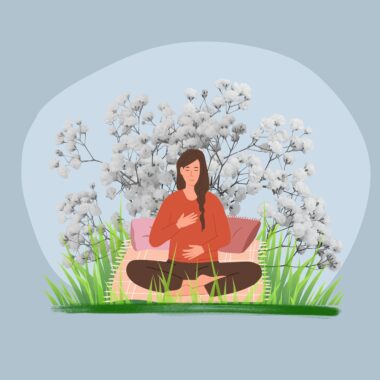
Diaphragmatic breathing, also known as abdominal or belly breathing, is essential for managing stress and promoting cardiovascular health. This technique encourages deeper inhalation and exhalation while activating the diaphragm, significantly aiding in the reduction of anxiety and tension. To practice diaphragmatic breathing, find a comfortable position, either sitting or lying down. Place one hand on your chest and the other on your abdomen to help monitor your breath. Inhale deeply and let your abdomen rise, while keeping your chest as still as possible. After a count of four, exhale slowly through your mouth. This process can be repeated for several minutes. Regular practice helps strengthen the diaphragm, fostering core stability and promoting calmness. Research suggests that individuals who incorporate this technique into their routines may experience lowered blood pressure and a decreased heart rate. Furthermore, it enhances the oxygenation of the blood, which is crucial for optimal heart health. Therefore, making diaphragmatic breathing a daily habit not only contributes to emotional stability but fortifies the body against stress-related conditions, improving both mental and physical well-being.
Another effective breathing technique is box breathing, which is particularly beneficial for relieving tension and enhancing concentration. This technique is straightforward and can be practiced anywhere, making it a handy tool during stressful times. To engage in box breathing, first, visualize a box. Inhale deeply through your nose for a count of four, hold your breath for another count of four, exhale slowly through your mouth for four counts, and then hold your breath again for four counts before repeating. This process creates a rhythm that can help calm the mind and body. Practicing box breathing regularly has been linked to improved focus and relaxation, helping to stabilize emotions. Many athletes, military personnel, and professionals use this technique to manage stress effectively. Incorporating box breathing into your day, especially during high-pressure situations, can foster balance and enhance cognitive function. This simple yet powerful technique provides a mechanism for controlling the body and emotions in a world often filled with chaos and confusion. Thus, box breathing serves as an accessible method for enhancing both breath regulation and overall wellness.
4-7-8 Breathing Technique: A Calming Approach
The 4-7-8 breathing technique is another valuable method for reducing stress and promoting cardiovascular efficiency. Developed by Dr. Andrew Weil, this technique combines deep inhalation, breath retention, and exhalation to create a soothing effect on the nervous system. To practice, begin by sitting or lying in a comfortable position. Close your eyes, and breathe in through your nose for a count of four, allowing your lungs to fill completely. Hold your breath for seven seconds, letting the oxygen circulate through your body. Then, exhale through your mouth for a count of eight, making a “whooshing” sound. This cycle can be repeated several times. The 4-7-8 technique has been shown to lower heart rates, promote relaxation, and alleviate anxiety. Individuals experiencing insomnia have found this method particularly helpful as part of their nighttime relaxation routine. Connecting the breath with the rhythm of this technique encourages mindfulness and a greater sense of calm. Committing to practice this technique consistently can profoundly impact one’s ability to cope with daily stressors, ultimately leading to improved heart health and emotional stability.
Practicing these breathing techniques in your daily routine can significantly enhance your overall quality of life. Whether it’s finding a quiet space at home, in the office, or outdoors, creating a consistent timeframe to practice these techniques is essential. Aim for at least ten minutes a day to begin incorporating these methods into your life gradually. Consider setting reminders for yourself to take breaks and focus on your breath during the day, encouraging a healthier work-life balance. You can also join classes or workshops focused on breathing techniques to reinforce your commitment. Many community centers and wellness studios offer sessions specifically targeting stress relief and breath regulation. Furthermore, you may enhance your experience by incorporating calming music or nature sounds during practice, encouraging mindfulness essential for effective breathing techniques. Being mindful and present during your practice will amplify its effectiveness, allowing you to truly experience the benefits of breath regulation. By making a concerted effort to integrate these techniques into your lifestyle, you can strive for a healthier heart and improved emotional balance.
Conclusion: Emphasizing Consistency and Mindfulness
In conclusion, breathing techniques are powerful tools for managing stress and enhancing cardiovascular health. From diaphragmatic breathing to box and 4-7-8 methods, each technique offers unique benefits to help individuals navigate the stresses of modern life. Developing a strong relationship with your breath can positively impact your heart health and overall well-being. The importance of consistent practice cannot be overstated; it fosters muscle memory and neural pathways associated with relaxation and mindfulness. Thus, making these techniques a daily ritual will ensure you reap their full benefits over time. Additionally, being mindful during practice amplifies its effectiveness, enabling you not only to lower stress but also to cultivate inner peace. Keep in mind that establishing a new habit requires patience and dedication, so give yourself time to adjust and adapt. Celebrate the small victories along your journey toward better emotional and cardiovascular health. As you continue to embrace and refine these techniques, you will likely notice improvements in both your mental clarity and emotional stability. Ultimately, breath regulation techniques serve as a gateway to a healthier, calmer, and more fulfilling life.
Implementing any of these breathing exercises into your daily routine is a step toward achieving greater wellness. For those seeking guidance or a community, various online resources are available to assist. Websites offer video tutorials and step-by-step instructions, while mobile apps provide reminders and tracking capabilities to reinforce your new practices. Connecting with like-minded individuals can also offer motivation and support. Consider fan groups on social media that focus on breathing techniques to share experiences and successes. Finding an accountability partner may also encourage consistency in your practice. Lastly, journaling about your experiences with these techniques can help you monitor progress, identifying what works best for you. This reflective process can deepen your understanding and help discover personal insights into your emotional health. A focus on heart health can also encourage you to integrate other healthy habits along with breath regulation, such as nutrition and exercise. Recognizing the interconnectedness of various health aspects enables a holistic approach to well-being. Therefore, embrace your breathing journey, share your experiences, and inspire others while prioritizing your health.
As we conclude our exploration of breath regulation techniques, remember that they are tools at your disposal for enhancing emotional and cardiovascular health. Integrating them into your daily routine is a commitment to yourself and your well-being. They offer a natural avenue for stress management, improving overall heart function and mental clarity. However, progress takes time and practice. Thus, it is vital to remain patient as you develop your skills. Each technique will provide value once you cultivate the discipline to practice them consistently. Encourage family members to join you in focusing on breath regulation, creating a shared experience that nurtures collective wellness. When alternatives to medications are sought, mindful breathing can offer impressive results in lowering anxiety and stress levels efficiently. Discovering the method that resonates with you personally is key, as it influences long-term independence in handling stressors. Ultimately, making breathing techniques an integral component of your wellness journey can reshape how you manage life’s challenges and enhance your quality of life, leading to greater peace, resilience, and overall happiness.