
Underwater Travel Photography and Fitness: Exploring Aquatic Adventures
Photography under the water presents a unique opportunity to capture moments that tell a story. Underwater travel photography has grown in popularity as more people are drawn to the beauty of the aquatic world. This type of photography allows individuals to experience marine life up close while promoting an active lifestyle through swimming and diving. With proper training, aspiring photographers gain confidence and skills that transform them into effective underwater adventurers. Essential gear includes a waterproof camera, dive equipment, and, of course, a good fitness level to handle the marine environment. Start with basic swimming techniques, strengthen your core, and practice breath control, enabling you to dive deeper and capture vibrant aquatic scenes. Passion for the ocean drives many photographers to explore various underwater landscapes teeming with life, such as coral reefs, wrecks, and cave systems. These stunning backdrops not only serve as a captivating subject but also encourage fitness through active engagement with the ocean. In addition, joining local diving clubs can provide access to resources and support, ensuring a safe and enriching underwater experience for photographers of all skill levels.
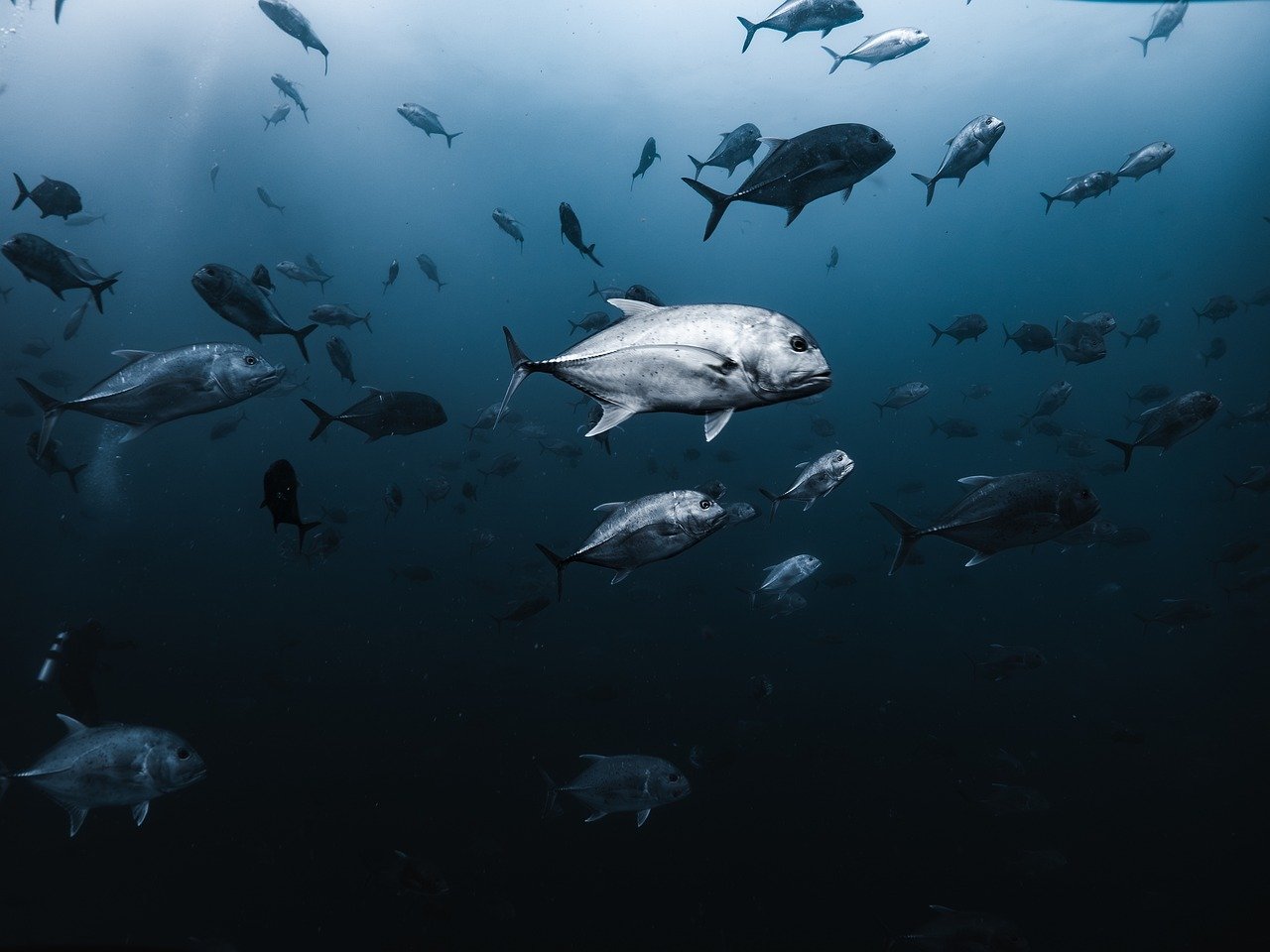
To make the most of underwater photography, understanding the dynamics of light is crucial. Sunlight interacts differently underwater than above, creating a unique color palette in each dive. As you descend, red and orange wavelengths dissipate, resulting in a blue-green hue that can dominate your images. Effective underwater travel photographers learn to adjust their settings and use artificial illumination when necessary. Utilizing external flashes can restore some of those vibrant colors lost in deep water, making your images pop vibrantly. Also, composition plays a vital role in photography; applying the rule of thirds and balancing foreground and background elements ensures stunning visuals. Investing time in learning composition techniques alongside breathing control will enhance your underwater photography skills significantly. Recommendations for great underwater photography locations include destinations like the Great Barrier Reef, Galapagos Islands, and Red Sea. Each locale provides diverse marine life that constantly inspires creativity among photographers. Conducting research on these locations can lead to great discoveries, allowing you to connect with nature while reaping the benefits of physical fitness. The synergy between travel, photography, and fitness fosters a lifestyle adventuresome spirit that draws forth personal growth.
Essential Gear For Underwater Photography
Choosing the appropriate gear is vital for successful underwater photography. Investing in a sturdy waterproof camera is the foundation that cannot be overstated. Whether opting for a dedicated underwater housing for your DSLR or a compact, action-style camera, ensure it meets your needs. Essential accessories such as underwater trays, lighting systems, and filters improve image quality drastically. A sturdy diving mask, fins, and a wetsuit are also necessary components that keep you comfortable while shooting. A buoyancy control device (BCD) adds to the enriching experience, helping you stay stable in the water. Familiarize yourself with each tool; knowing how to use your gear effectively enhances the creative process. Establish a pre-dive checklist to ensure that you have all your equipment, underscoring the importance of preparedness. Additionally, remember to practice proper care and maintenance for underwater gear, preventing issues during crucial moments. With the right camera setup, diverse marine environments can unfold endless opportunities for exploration. Preferably, partner with an experienced diver or photographer to expand your knowledge and edge towards mastery, allowing the last-minute details to fall into your grasp. Such camaraderie and mutual growth create fulfilling experiences in aquatic adventures.
Engaging in underwater photography requires physical fitness tailored to the unique environment. Swimming is the primary fitness activity, building endurance and strength essential for extended underwater sessions. Strengthening your core will improve your diving abilities, allowing you to maintain stability and control when navigating currents. Incorporating flexibility exercises is also beneficial, as they enhance movement, decrease injury risk, and improve buoyancy in the water. Techniques such as yoga promote breathing control and relaxation, which can calm nerves during dives. Ensuring you can manage stress in unfamiliar underwater settings empowers photographers to focus more on capturing intricate details. Another aspect of fitness is hydration; staying hydrated prepares your body to withstand varying pressure levels. Developing a fitness routine that incorporates swimming, diving practice, and dry-land exercises will yield overall benefits for both underwater photography and physical health. Regularly assess fitness levels, adapting training as you progress into deeper waters and challenging environments. The relationship between travel photography and fitness becomes stronger, motivating individuals to pursue new experiences while enhancing artistic expression. By combining these essential elements, you will enjoy stunning aquatic experiences and foster an adventurous spirit.
Best Destinations for Underwater Photography
Exploring the world’s best underwater photography destinations opens doors to an array of breathtaking encounters. Locations like the Maldives, the Caribbean, and Australia are renowned hotspots praised for their diverse marine ecosystems. Each area boasts pristine waters, exotic species, and stunning coral formations that enrich underwater photography experiences. The Maldives, with its vibrant coral reefs and abundant marine life, entice both novice and seasoned photographers. The Caribbean is also a favorite, featuring an accessible environment for various diving levels. In Australia, the iconic Great Barrier Reef hosts myriad fish species and jaw-dropping underwater landscapes. Lesser-known sites like Mexico’s Cenotes or Florida’s freshwater springs present unique opportunities for captivating shots as they offer mysterious beauty beyond typical diving settings. Researching the best months for weather conditions and marine life activity ensures you pick the optimal time for your adventures. Planning dive trips to these incredible passion-driven locations guarantees exciting underwater photography opportunities, allowing one to push boundaries creatively. Visiting diverse environments transforms weary localities into captivating canvases, urging one to strengthen skills while contributing to a thriving aquatic ecosystem.
Understanding the principles of underwater composition can significantly elevate your photography. Factors such as lighting, angles, and surrounding environments can enhance your shots and tell a compelling story. Embrace minimalism in your compositions; focusing on a single subject often enriches the message conveyed, while complex arrangements can distract the viewer. Utilizing leading lines can create natural pathways, guiding the observer’s eye toward your subject. Tight framing accentuates details, especially when photographing intricate marine life such as nudibranchs or intricate coral patterns. Experiment with various angles, capturing photographs from above, below, or at eye level, providing diverse perspectives on the subject matter. Planning each shot further refines your composition–anticipate the movements of marine life, adjusting your positioning and settings accordingly. Collaborating with fellow photographers can offer valuable insight, allowing you to learn from their challenges and successes in underwater environments. Post-processing images digitally can significantly enhance colors, contrast, and overall composition, making sure you polish your work. Prioritize the joy of photography over the anticipation of perfection; with practice, you’ll find your unique style that speaks to your creative expression. This process thus fosters both artistic growth and the pursuit of aquatic adventure.
Conservation and Responsibility in Underwater Photography
Embracing underwater photography extends beyond personal enjoyment; it entails a responsibility toward ocean conservation. As photographers, it is imperative to respect the marine environment while capturing its beauty. Adopt practices that minimize disturbance to marine life, such as maintaining a safe distance from delicate organisms and avoiding damage to fragile ecosystems. Educating yourself about local wildlife and ecosystems fosters a deeper appreciation for marine habitats. Support conservation efforts and responsible tourism initiatives by traveling with environmentally-conscious operators that protect the places you photograph. Engaging in community conservation programs can provide opportunities to contribute actively to environmental protection initiatives that aid coral restoration and support marine sustainability. Always adhere to “Leave No Trace” principles, ensuring that your presence leaves no negative impact on the surroundings. Addressing plastic pollution and properly disposing of trash while traveling further emphasizes the collective responsibility individuals share toward the health of oceans. Advocating awareness through your photography can spark conversations about conservation, informing others about the importance of preserving underwater ecosystems. By prioritizing sustainability, we can enhance both our experiences and the well-being of marine wildlife for generations to come, encouraging future explorers and photographers to continue this noble pursuit.
In conclusion, underwater travel photography and fitness is a dynamic adventure that merges creativity and physical engagement with the marine environment. This specialized form of photography offers unique opportunities for personal growth while encouraging participants to explore vibrant underwater landscapes. Through a combination of proper preparation, fitness training, and the right photography gear, individuals can truly immerse themselves in the aquatic world. Don’t forget to continually improve your photography skills and fitness levels, as each journey enhances your appreciation for the ocean’s beauty. Planning to travel toward exotic destinations serves as motivation to keep fitness at the forefront of your life. Encouraging environmental stewardship and advocating for marine conservation paves the way for a healthier planet. Being a responsible photographer is about more than beautiful images; it encompasses respect for the aquatic ecosystems that inspire your work. Ultimately, embracing underwater photography fosters creativity and encourages an adventurous spirit that explores the depths of nature. With each captured image, rejoice in the memories made and the stories told. As you embark on your next underwater voyage, remember to celebrate your passion for both photography and fitness, balancing adventure and exploration ahead.