
Tips for Reading Labels to Choose High-Fiber Foods for Weight Maintenance
Understanding how to read nutritional labels is crucial for making healthy food choices, particularly for those looking to maintain their weight. Fiber plays a vital role in promoting satiety and improving digestive health, making fiber-rich foods essential. When browsing through grocery aisles, look for foods that list a high fiber content in their nutritional information. Aim for products that have at least 3 grams of fiber per serving, as this amount is generally considered significant. It’s wise to check the serving size because some products might appear fiber-rich but contain small serving sizes, misleading you into thinking they offer more fiber than they do. A closer examination of ingredients can also reveal the quality of the fiber. Favor whole-food sources such as whole grains, fruits, and vegetables whenever possible. These foods provide natural fiber, which often contains additional nutrients and antioxidants. Understanding the difference between soluble and insoluble fiber is also beneficial. Soluble fiber can help regulate blood sugar levels, while insoluble fiber aids digestion. Make high-fiber choices integral to your dietary habits for optimal weight management and health.
Another important factor to consider when reading food labels is the total carbohydrate content, as fiber is a type of carbohydrate. Look for the net carbs, which are calculated by subtracting fiber from total carbohydrates. Foods high in fiber often have lower net carbs, making them a better choice for weight maintenance. Additionally, it’s important to note added sugars on the label; many processed foods that claim to be high in fiber may still have significant amounts of added sugars, negating their potential health benefits. It’s helpful to cultivate an awareness of how sugar affects fiber’s role in the diet. When shopping, focus on whole foods where fiber and sugars are naturally occurring and less refined than in processed options. This practice helps ensure that high-fiber food choices are also benefiting your overall health rather than just weight maintenance. Pay attention to the ingredient list and prioritize foods with ingredients you recognize. This indicates that the food is less processed and more likely to retain its natural fiber content. Building this habit strengthens not only your diet but also your knowledge about nutritional values.
Identify Whole Grain Products
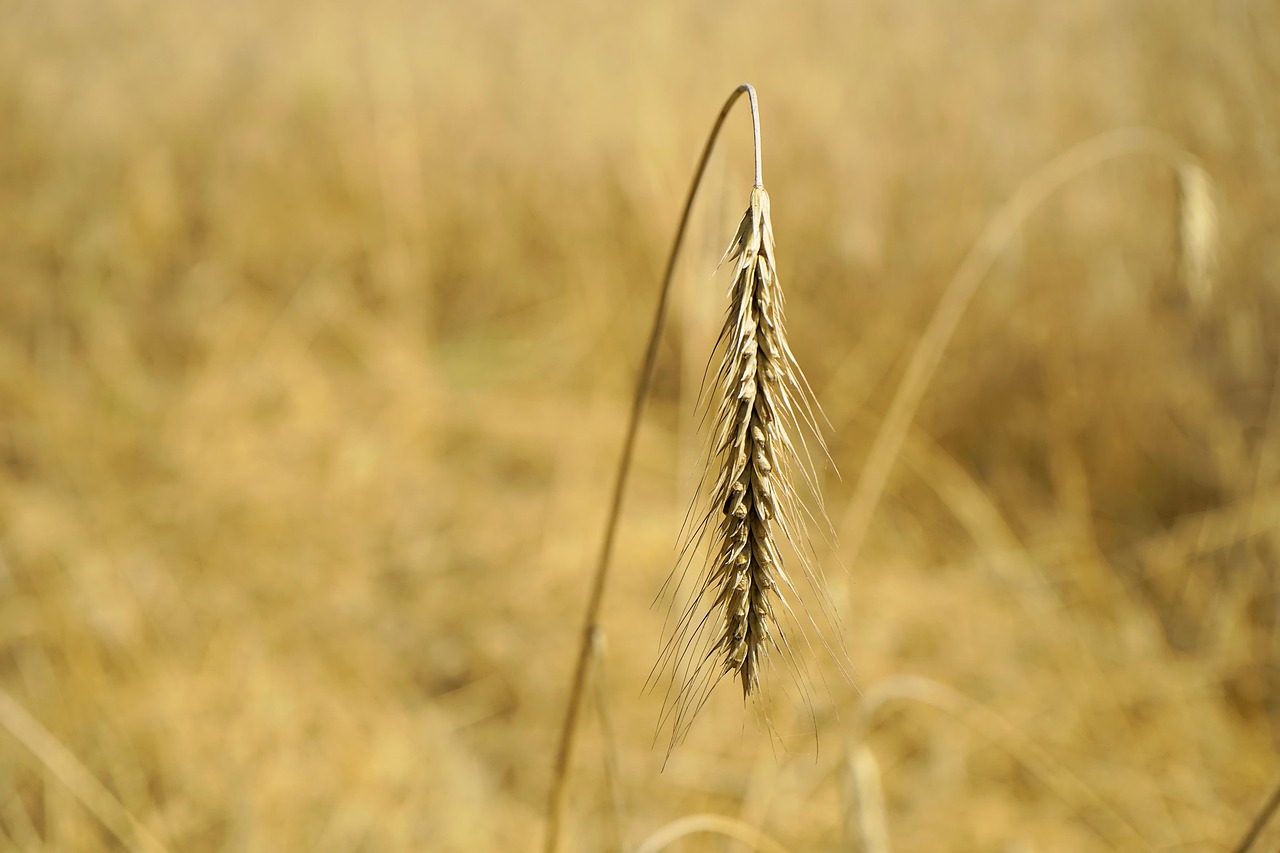
When trying to select high-fiber products, it is beneficial to look for those specifically labeled as whole grain. Whole grains contain all parts of the grain kernel: the bran, germ, and endosperm, ensuring a greater fiber content compared to refined grains. Additionally, understanding labeling terms related to grains is also important. Terms like ‘multigrain’ or ‘wheat flour’ do not automatically guarantee that the product is a high-fiber option. Instead, always look for ‘whole grain’ listed at the top of the ingredients list. A good strategy is to focus on bread, pasta, and cereal products that specify whole grain; these will typically offer a fiber density that supports satiety and digestive health. Fiber-rich grains contribute not just to energy levels but also enhance nutritional intake overall. Paying attention to how these grains fit into your meal planning will yield benefits throughout your dietary choices. Remember, it’s not enough only to eat high-fiber foods occasionally; consistently incorporating fiber into meals is key for maintaining a healthy weight. Prioritize building fiber into each meal, thereby making every dish more balanced and satisfying.
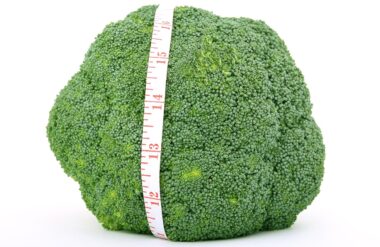
Furthermore, it is essential to consider how fiber choices can differ among various food categories, including fruits and vegetables. Certain fruits like raspberries, pears, and avocados are particularly high in fiber; similarly, vegetables like broccoli, Brussels sprouts, and carrots contribute effectively as well. When selecting these foods, choose whole pieces rather than juices or purees since the fiber is primarily found in the skin and pulp. When reading food labels for fruits and vegetables, check for the degree of processing. Opt for frozen or fresh options without added sugar to maximize your dietary fiber intake. Avoid those that are canned in syrup or have preservatives that may diminish the fiber content. Striving for a colorful variety of fruits and vegetables ensures a more extensive array of nutrients and fibers, leading to better health outcomes. Preparing meals that highlight these fibers will not only boost weight maintenance but enhance digestion and overall wellbeing. It’s recommended to aim for at least five servings of fruits and vegetables each day to achieve a good fiber intake. Include them in snacks or side dishes to meet your daily goals.
Experiment with High-Fiber Snacks
High-fiber snacks can also aid your weight maintenance efforts by keeping you satisfied between meals. Choose options like popcorn, chickpeas, or nuts, which not only provide fiber but also deliver healthy fats and protein. Read labels for these snack items carefully; ensure they are low in added sugars and unhealthy fats. Check the serving sizes, as portion control is vital for maintaining weight. Another great snack choice is energy bars made with whole grains and nuts. When picking these snacks, always choose those with at least 5 grams of fiber per serving. This will help structure your diet for better weight management. Ideally, keep a stash of high-fiber snacks readily available, as this can prevent unhealthy choices while on the go. Consider making your own trail mix with dried fruits and nuts to customize your fiber intake and ensure you know the ingredients. Eating more frequently in smaller portions can help keep hunger at bay. Combine these snacks with protein-rich options for a balanced intake. Engaging with a variety of fiber-rich snacks allows you to enjoy culinary diversity while benefiting your health.
It’s equally beneficial to explore recipes that feature high-fiber ingredients, enhancing your overall dietary goals. Look for meal ideas that incorporate whole grains, legumes, fruits, and vegetables which are all rich in fiber. By creating dishes rich with fiber, it becomes easier to maintain a sense of fullness without overeating. For instance, consider salads that weave in different legumes like lentils or beans with leafy greens, creating nutrient-dense meals. The use of these high-fiber ingredients helps not only with palatability but also boosts the overall texture of your meals. Additionally, try experimenting with high-fiber baking by using whole wheat flour instead of all-purpose flour in recipes. This approach benefits both weight management and introduces more nutrients. Include recipes that use oats, flaxseeds, and chia seeds, which can enhance the fiber ratio significantly. Using these ingredients not only boosts fiber levels but also adds depth to flavors, making meals more enjoyable. Collecting a repertoire of go-to high-fiber recipes supports successful weight maintenance and transforms eating into something delightful rather than restrictive.
Stay Hydrated While Increasing Fiber Intake
Finally, an important aspect of increasing your fiber intake is to adjust your hydration levels accordingly. Water facilitates fiber’s role in digestion; without ample hydration, individuals may experience discomfort or digestive issues when rapidly increasing fiber. Aim for a steady intake of water throughout the day, particularly if transitioning to a diet higher in fiber. By drinking enough fluids, the fiber can absorb water and expand in the digestive tract, promoting regularity and reducing the chance of constipation. Monitor your body’s feedback when adjusting fiber levels; if experiencing digestive discomfort, consider lowering your intake and gradually increasing it to allow your body to adjust. Keeping fluids accessible can support your health efforts, especially with high-fiber snacks alongside ample water intake. Herbal teas or infused water can also serve as enjoyable alternatives for boosting hydration. Prioritizing hydration can significantly enhance the benefits derived from high-fiber foods. Together, fiber-rich diets and sufficient water intake form an effective strategy in pursuing weight maintenance. Cultivating these habits will yield substantial health improvements and contribute to overall well-being.
In conclusion, understanding the importance of fiber within your meals is a vital tool for weight maintenance. By skillfully reading labels and choosing the right foods, it is possible to adhere closely to dietary goals. High-fiber foods serve integral roles in satisfaction, digestion, and nutrient density. Whether exploring grains, fruits, or innovative recipes, each choice contributes to an ongoing journey toward improved health. Developing habits that prioritize whole foods, label scrutiny, hydration, and enjoyable high-fiber snacks can facilitate long-term successful weight management. Combining these strategies empowers individuals to create nourishing diets that enrich well-being. Adopting a whole-foods approach and emphasizing fiber can lead to significant benefits. Consistently aiming for a balanced intake fosters better health and supports effective weight management. Ultimately, as you navigate grocery aisles and kitchen endeavors, making informed choices about high-fiber foods can transform your dietary landscape. Be proactive in your dietary approach, and reap the rewards of a fiber-rich lifestyle for successful weight maintenance and overall health.