
The Benefits of Yoga as Cross Training for Triathletes
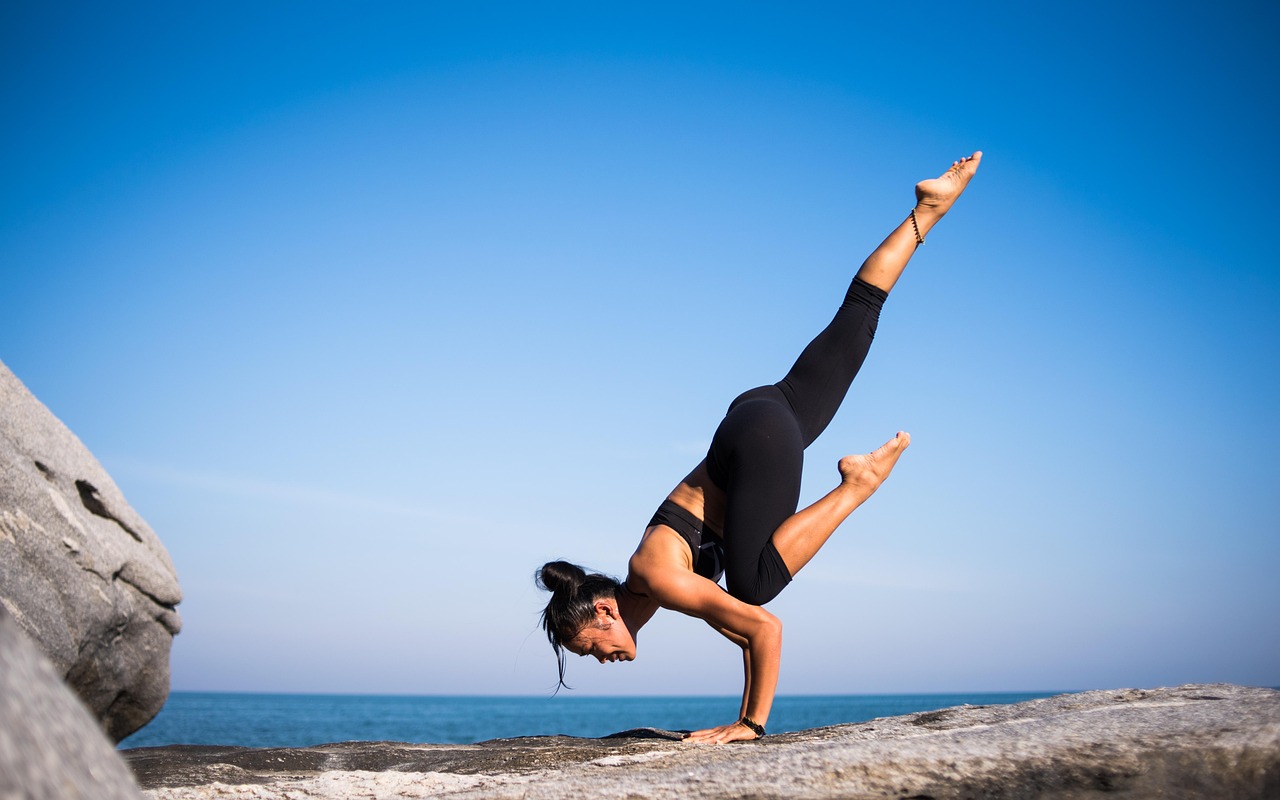
Triathletes are always looking for ways to improve their performance, endurance, and overall well-being. One effective method that is increasingly being adopted is yoga, which offers numerous benefits that complement the demanding training schedule of a triathlete. By incorporating yoga into their cross-training, triathletes can enhance flexibility, which is crucial for maintaining a broad range of motion in swimming, cycling, and running. Improved flexibility helps prevent injuries, allowing triathletes to maintain consistent training regimens without interruptions caused by soreness or tight muscles. Furthermore, yoga focuses on breath control and mindfulness, which assists athletes in developing mental resilience. This mental aspect is vital during races where fatigue and stress can easily derail performance. Additionally, yoga can enhance core strength, which supports better balance and stability in all triathlon disciplines. Triathletes engage multiple muscle groups, and integrating yoga can create a more balanced body. As such, some athletes report improved efficiency and performance in their races, showcasing the practical benefits of this ancient practice for modern athletes.
Improving Flexibility and Reducing Injury Risk
Flexibility is a key component of athletic performance, especially for triathletes. Regular yoga practice facilitates increased flexibility in joints and muscles, allowing for a greater range of movement. This greater range can lead to more efficient swimming strokes, smoother pedaling motions, and a more effective running stride. When muscles and joints can move through their full potential, performance naturally improves. Additionally, improved flexibility reduces the risk of injury by addressing muscle imbalances. Common injuries among triathletes often arise from tight or overworked muscles leading to strains or tears. Incorporating yoga into cross-training routines helps alleviate tightness, stretch muscle groups that often get overlooked, and promote overall muscle balance. Thus, participating in yoga helps to elongate muscle fibers, improving alignment and reducing the likelihood of injuries. Beyond flexibility, yoga also emphasizes the importance of proper body mechanics through poses that encourage alignment. This focus on alignment can translate to better posture while training, ultimately giving triathletes a competitive edge in their athletic pursuits.
Yoga is not just physical; it profoundly influences mental well-being. This practice fosters mindfulness, which can enhance focus and concentration during training and competitions. Triathletes often face mental fatigue from the rigors of training and competition, which can hinder performance. By introducing yoga into their routines, they cultivate a greater awareness of their thoughts, emotions, and body sensations. This mindfulness practice enables athletes to manage stress effectively and maintain a positive mental attitude. During yoga sessions, athletes learn to breathe deeply and pace themselves, skills that are vital during races. Such training allows them to conserve energy and maintain performance levels when fatigue sets in. Moreover, deep breathing promotes relaxation, aiding in recovery after intense workouts. Additionally, yoga encourages self-reflection, enabling triathletes to evaluate their goals and performance critically. By fostering a deeper connection with their bodies and thoughts, triathletes can create strategies that enhance their training experiences, thus leading to improved overall performance. These mental benefits offer triathletes an edge in races and a more enjoyable training experience.
Building Core Strength for Better Stability
An essential benefit of yoga is the emphasis it places on core strength. A strong core is foundational for triathletes, enhancing stability and balance across all three disciplines. Many yoga poses engage the core muscles, helping athletes develop the strength required to maintain proper form during swimming, cycling, and running. Improved core stability leads to greater efficiency when exerting power. This is particularly beneficial for triathletes, as they need to transfer energy seamlessly across different activities. For example, strong core muscles allow cyclists to maintain an aero position without losing power. Additionally, a solid core stabilizes the body when running, resulting in improved stride and reduced risk of injury. Regular yoga practice strengthens not only the abdominal muscles but also the surrounding musculature, including the lower back and hips. This increased strength translates to better performance, enabling triathletes to execute techniques with precision. Furthermore, core strength contributes to endurance; athletes with strong cores can perform longer without the onset of fatigue, enhancing overall race results. The fusion of yoga into triathlon training is thereby advantageous for both core strength and overall performance.
The breathing techniques taught in yoga support more than just relaxation; they enhance endurance and performance during triathlons. Controlled breathing improves the efficiency of oxygen intake during exhaustive training sessions and competitions, allowing athletes to perform optimally. The pranayama techniques practiced in yoga enable triathletes to regulate their breath effectively, fostering optimal energy processing within their bodies. When incorporated into training, conscious breathing becomes a powerful tool that can stabilize heart rates, reduce anxiety, and improve focus. Effective breathing techniques also reduce the risk of hyperventilation during intense exertion, which can diminish performance. By practicing these techniques regularly, triathletes learn to adapt their breathing to diverse situations, keeping it steady even under pressure. This adaptability can provide a crucial advantage during races, especially when faced with challenging conditions. Furthermore, mastering breath control contributes to enhanced recovery strategies, facilitating quicker recuperation post-exercise. Ultimately, integrating these breathing practices from yoga into triathlon training produces a confident athlete who can sustain performance even when competing at higher intensities. This resilience is invaluable when the pressure of competition intensifies in later laps.
Enhancing Focus and Mental Clarity
Focus and mental clarity are paramount in triathlon training. Races have both physical and mental demands, and yoga can significantly sharpen a triathlete’s mental capacity. Engaging in mindfulness practices leads to improved concentration, allowing athletes to execute their race strategies more effectively. During stressful moments in a race, the ability to clear one’s mind and focus on the task at hand makes a difference. Participating in yoga aids athletes in developing this skill through repetitive movements focused on body awareness and breath synchronization. Additionally, the meditative aspects of yoga can help cultivate a sense of calm that supports better decision-making, even in high-pressure races. Consistent practice of specific yoga poses cultivates mental resilience and the ability to remain composed when fatigue sets in. This is especially important in triathlons, where managing physical and mental fatigue is crucial for success. Furthermore, the mental benefits of yoga extend to everyday training sessions, promoting consistency and a positive mindset. Athletes often report feeling rejuvenated and more connected to their bodies after integrating yoga into their lives, enhancing their overall training experience.
Incorporating yoga into a triathlete’s training regime promotes a holistic approach to fitness. Triathletes who adopt this practice not only support their physical health but also experience significant mental benefits. Yoga emphasizes the connection between body and mind while promoting overall well-being. As a result, athletes become more attuned to their physical conditions, enabling them to respond better to training demands and adjust accordingly. Moreover, this ancient practice provides time for relaxation and self-care, which is often overlooked amid rigorous training schedules. By prioritizing time for recovery through yoga, triathletes can enhance performance by preventing burnout. Moreover, reduced stress levels and improved sleep quality contribute to more effective training sessions, further aiding performance development. The benefits gained from yoga create a ripple effect that enhances every aspect of a triathlete’s journey. By dedicating time to yoga, athletes cultivate a healthier lifestyle that supports their physical and mental wellness. As their yoga practices deepen, they will likely notice improved performance and satisfaction in their triathlon pursuits, harnessing the full spectrum of benefits yoga offers as cross-training.
Triathletes are always looking for ways to improve their performance, endurance, and overall well-being. One effective method that is increasingly being adopted is yoga, which offers numerous benefits that complement the demanding training schedule of a triathlete. By incorporating yoga into their cross-training, triathletes can enhance flexibility, which is crucial for maintaining a broad range of motion in swimming, cycling, and running. Improved flexibility helps prevent injuries, allowing triathletes to maintain consistent training regimens without interruptions caused by soreness or tight muscles. Furthermore, yoga focuses on breath control and mindfulness, which assists athletes in developing mental resilience. This mental aspect is vital during races where fatigue and stress can easily derail performance. Additionally, yoga can enhance core strength, which supports better balance and stability in all triathlon disciplines. Triathletes engage multiple muscle groups, and integrating yoga can create a more balanced body. As such, some athletes report improved efficiency and performance in their races, showcasing the practical benefits of this ancient practice for modern athletes.