
Pilates Workouts Focused on Spine Stabilization
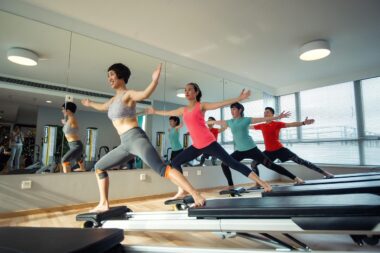
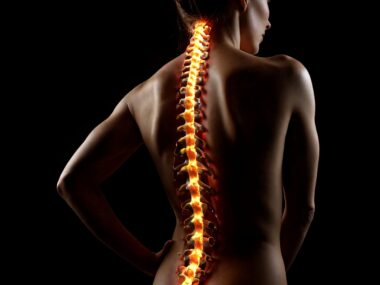
Pilates is an innovative exercise method that enhances core strength, flexibility, and overall wellness. For those dealing with spine-related issues, Pilates offers specific workouts that prioritize spine stabilization. These workouts emphasize alignment, breathing, and control, ensuring that participants engage their core muscles effectively. One of the fundamental concepts in Pilates is the mind-body connection, which helps individuals become more aware of their movements and how they affect their spines. Incorporating stretching and strengthening exercises, Pilates promotes better posture and spinal health. Each workout is designed to gradually increase the strength of the abdominal and back muscles, which are crucial for supporting the spine. Many practitioners find Pilates beneficial in alleviating back pain and enhancing mobility. Exercises focusing on spinal alignment help reduce discomfort while improving stability. This practice not only addresses existing issues but also serves as a preventative measure against future spine problems. Whether you are a beginner or an experienced practitioner, various modifications ensure that everyone can participate in these spine-focused Pilates workouts. Commit to regular practice for long-term spine health progress.
Another important aspect of Pilates for spine health is its focus on breathing techniques. Proper breathing enhances the effectiveness of each exercise while providing relaxation and mental clarity. Breath control, a core component of Pilates, allows participants to engage their muscles intelligently and consistently. During workouts, instructors often emphasize the importance of inhaling deeply to prepare for the upcoming movements. Exhaling encourages the engagement of core muscles, particularly the transversus abdominis. This abdominals’ deeper layer plays a crucial role in supporting the spine and maintaining stability during movement. By making breath a fundamental part of the practice, individuals learn to coordinate their breathing with their physical movements, optimizing their workout experience. This can lead to better muscle activation while performing spinal stabilization exercises. Additionally, learning to control breath can decrease anxiety and enhance relaxation during sessions. Pilates encourages participants to focus on feelings of being grounded and aligned throughout their workouts. The emphasis on breathing not only fosters a better connection to the body but also enhances longevity in one’s Pilates journey. Regular practice of these techniques can significantly contribute to overall spine health and well-being.
Key Exercises for Spine Stabilization
When it comes to Pilates for spine health, specific exercises are paramount for developing stability and strength in the spinal region. One key exercise is the 'Pelvic Curl,' which encourages articulation of the spine while promoting control and flexibility. Participants start lying on their backs with their knees bent and feet flat on the floor. In this position, they engage their abdominal muscles, lifting their pelvis and rolling their spine off the mat. This movement activates the glutes and strengthens the lower back while allowing spinal mobility. Another beneficial exercise is the 'Single Leg Stretch,' promoting core stability while focusing on pelvic alignment. Practitioners lie on their backs, pulling one knee toward their chest while stretching the other leg out. This exercise teaches balance and coordination, which are vital for maintaining a healthy spine. Additional exercises like 'Side Plank' and 'Cat-Cow' alignment help activate side body muscles, further stabilizing the spine. Each of these exercises is designed to build a strong foundation for better spinal health and functionality in daily activities.
Adopting variations in Pilates workouts for spine health accommodates diverse fitness levels and goals. Modifications can be particularly beneficial for those recuperating from injuries or navigating chronic pain. For instance, using props like foam rollers or resistance bands can enhance stability while offering support in challenging poses. Instructors may guide participants to perform adjusted movements that ensure safety without compromising effectiveness. This adaptability is a vital characteristic of Pilates, enabling everyone to engage safely in spine stabilization exercises. Moreover, incorporating gentle stretches can alleviate tension in and around the spine, making it easier to approach more dynamic movements. Progressive training is also key, allowing practitioners to gradually advance to more complex exercises as they build confidence and strength. Also, maintaining open communication with instructors ensures that personal preferences and limitations are acknowledged, creating a customized experience. Implementing slow, controlled movements throughout each session solidifies core engagement, reflecting the long-term benefits Pilates brings to spinal health. Sustaining that consistency and mindfulness in practice amplifies outcomes and contributes to overall well-being, irrespective of fitness background.
Incorporating Mindfulness in Practice
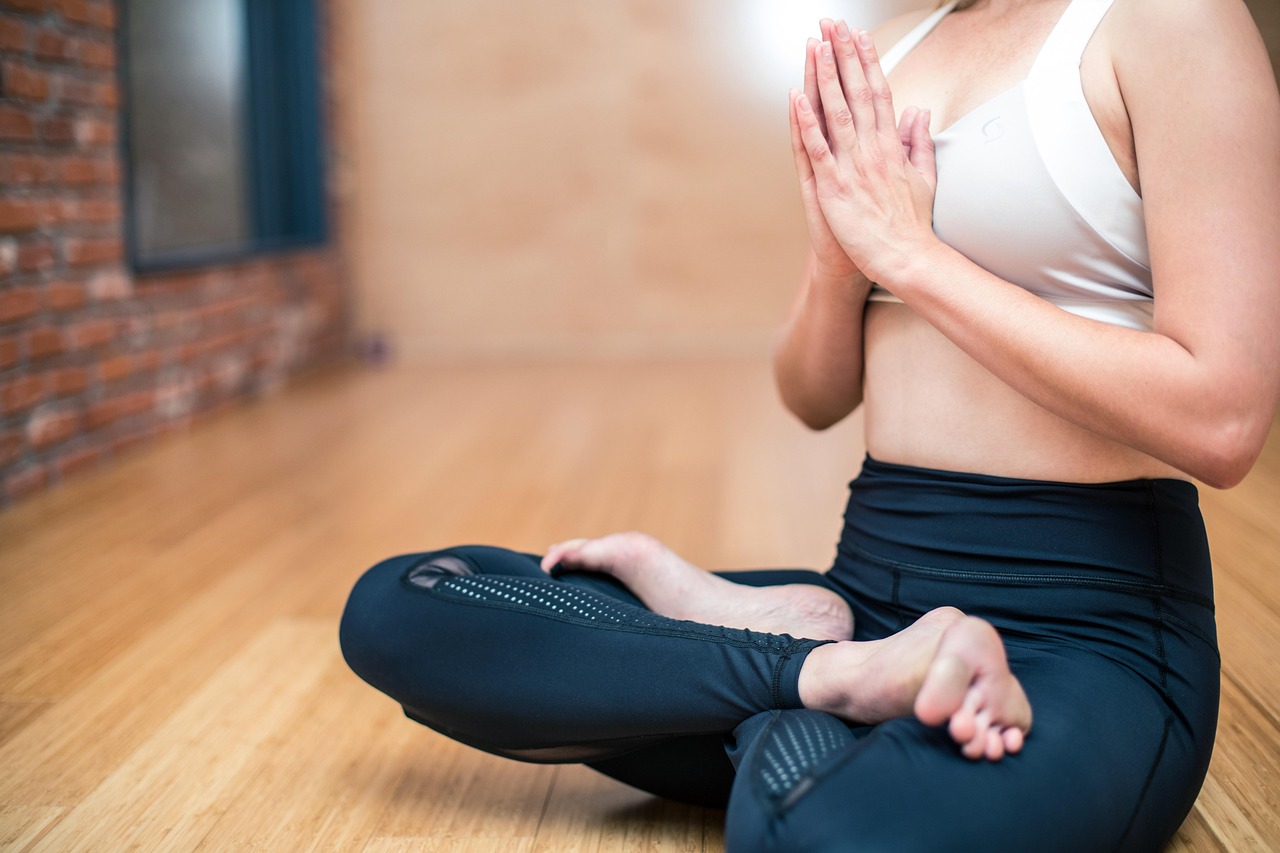
Mindfulness is an essential concept interwoven into Pilates practice, particularly regarding spine health. Fostering a meditative mindset fosters a deeper connection to the body, enabling practitioners to become more attuned to their movements. This heightened awareness leads to better alignment and control during exercises aimed at stabilizing the spine. Engaging in mindfulness techniques encourages practitioners to listen to their bodies fully, respecting their limits and responding to any discomforts. As they concentrate on their breathing and movements, they cultivate a sense of tranquility, which can help reduce stress levels. Integrating visualization techniques, such as imagining the spine lengthening or aligning, boosts the efficacy of exercises dedicated to spinal stabilization. Consequently, participants tend to experience increased confidence in their physical ability. Mindfulness not only enhances the physical challenges presented by Pilates but also enriches emotional well-being. Regular practice teaches individuals to integrate mindfulness in their everyday lives, promoting better posture and overall spinal health. Ultimately, the synergy between mindfulness and movement creates an enriching experience that extends far beyond the Pilates mat.
In concluding our exploration of Pilates workouts for spinal stabilization, it is essential to recognize the holistic benefits derived from regular practice. Beyond improving spinal health, Pilates enhances flexibility, strength, and coordination in individuals of all fitness levels. Through dedication to these tailored workouts, participants discover newfound confidence in their physical abilities and boost their overall quality of life. Participants frequently report reduced pain, increased mobility, and better posture. The mind-body connection cultivated within a Pilates environment empowers individuals to take charge of their well-being. With qualified instructors guiding practice, modifications ensure everyone can benefit safely and effectively. Engaging with a supportive community fosters motivation and accountability, leading to lasting results. Continuing education and training play a vital role in ensuring effective practice, allowing individuals to navigate challenges effectively. Ultimately, a commitment to Pilates workouts for spine stabilization translates to a more profound appreciation for movement and health. As they embrace this journey, practitioners find tools to support not only their spines but their overall wellness, facilitating a path toward a healthier, more aware lifestyle. Pilates serves as a nurturing practice that can have transformative effects throughout a person's life.
Getting Started with Pilates
To embark on your Pilates journey focused on spine health, consider starting with a qualified instructor specializing in modalities that emphasize spinal stabilization. This guidance ensures proper techniques are learned from the beginning, which is particularly vital for beginners. Ensuring classes cater to your specific needs can optimize your experience, providing tailored challenges and modifications when necessary. Both group classes and private sessions have their benefits, depending on personal comfort levels and goals. Additionally, investing in quality mats and props can contribute to safety and comfort during home practice. Many resources such as online tutorials and instructional videos offer varied exercises catering to spine health. These resources can supplement learning, ensuring that you have access to a myriad of effective techniques. Importantly, creating an inviting space to practice at home helps maintain motivation. Setting realistic goals for progression provides structure to your practice while celebrating improvements along the way. Over time, you'll cultivate strength, flexibility, and stability in your spine, contributing to overall well-being. Engage in this transformative journey toward better spine health through Pilates with enthusiasm and patience!
Conclusion: Lifelong Benefits of Pilates for Spine Health
In conclusion, incorporating Pilates into your fitness regimen can significantly benefit your spinal health and overall well-being. Frequent practice not only strengthens the muscles supporting your spine but also improves flexibility and control. Many practitioners experience relief from chronic pain and enhanced ease of movement through consistent Pilates workouts. The importance of a strong core cannot be emphasized enough, as every Pilates exercise engages the abdominal and back muscles crucial for maintaining proper posture. Additionally, understanding the significance of mindful movement in Pilates enables practitioners to develop habits that can improve day-to-day activities. Many report feeling empowered and more in tune with their bodies as they progress. While it may seem challenging at first, the journey through Pilates fosters a sense of achievement and personal growth. Therefore, investing time in these workouts is an investment in your health. Depending on your current level of physical fitness, working with a certified instructor can be particularly valuable in maximizing your progress safely. Explore the myriad of resources available, whether at home or in studios, and embrace the life-changing potential of Pilates for improved spine health.